Intermodal: How Multimodal Freight Movement Strengthens Modern Supply Chains
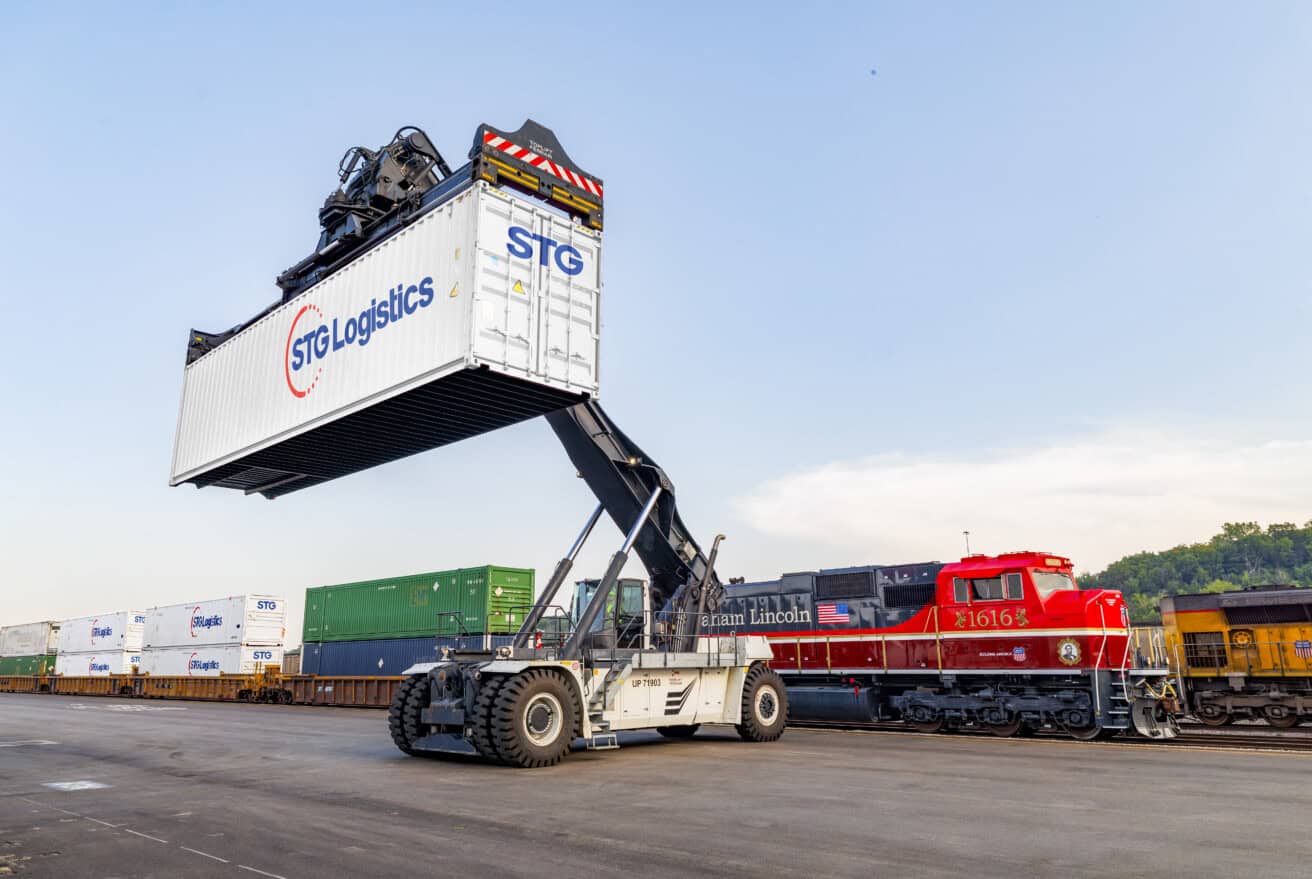
Intermodal has become a central freight strategy for shippers seeking a dependable, scalable, and cost‑effective way to move goods across long distances. Rather than relying on a single mode, intermodal uses a combination of truck, rail, and sometimes ocean to transport freight in a sealed container without handling the cargo itself. This model reduces damage risk, strengthens supply chain predictability, and gives logistics teams flexibility during capacity swings. As businesses expand into multi‑regional distribution networks and global product flows, intermodal has shifted from a niche alternative to a foundational supply chain tool. The combination of drayage, rail integration, container standardization, and multimodal coordination enables shippers to manage freight efficiently while supporting sustainability goals, predictable routing, and resilient network design. Because it blends operational efficiency with strategic scalability, intermodal remains one of the most important logistics models in today’s transportation landscape.
What Intermodal Means in Today’s Supply Chain
Intermodal refers to moving freight in a single standardized container across multiple transportation modes without unloading the cargo inside. This principle allows shippers to leverage the strengths of each mode while eliminating unnecessary handling. The core benefit is continuity: once the freight is loaded, it remains secured from origin to destination. Intermodal supports domestic and international flows, integrates with port activity, and helps shippers reduce dependency on long‑haul trucking during tight capacity cycles. It has grown in prominence because it addresses several industry challenges, including rising transportation costs, increasing sustainability pressure, limited driver availability, and the need for predictable long‑haul routing.
Because intermodal minimizes touchpoints, it significantly reduces product damage, shrinkage, and handling‑related delays. It also improves shipment security and allows logistics teams to plan freight cycles more accurately. These advantages make intermodal essential for high‑volume networks, national replenishment strategies, and import‑to‑inland distribution programs that depend on consistent transit performance.
How Intermodal Works Across Freight Networks
Containerized Freight Movement
The intermodal process begins when freight is loaded into a standardized container. Domestic shipments typically use 53‑foot containers built for North American operations, while international moves rely on 20‑ and 40‑foot ISO containers. Once sealed, the cargo remains untouched throughout the journey unless intentionally unloaded at a facility. This structure protects freight integrity and allows shippers to move goods seamlessly across large geographic regions.
Drayage at Origin and Destination
Local trucking, performed by an intermodal and drayage carrier, manages the first and last miles of the shipment. Drayage providers pull empty containers to the origin facility, return loaded units to rail terminals, retrieve inbound containers, and deliver them to their final destinations. Because intermodal depends heavily on timing, drayage performance has a major impact on transit consistency, container turns, and overall freight flow.
Rail Linehaul Integration
Railroads provide the long‑distance movement that makes intermodal cost‑competitive. Containers are double‑stacked or single‑stacked onto well cars and moved across major corridors that connect inland hubs, ports, and distribution regions. Rail is significantly more fuel‑efficient than over‑the‑road trucking, enabling shippers to reduce transportation spend while lowering emissions. Intermodal companies coordinate with rail partners to align schedules, optimize routing, and manage equipment.
Inland Delivery and Network Routing
After arriving at the destination terminal, containers are retrieved by drayage carriers for final delivery. Some shippers unload upon arrival, while others integrate container storage, cross‑docking, or distribution sequencing. When supported by warehouse networks, transloading, or regional routing plans, intermodal becomes even more powerful as part of multi‑modal distribution strategies.
Intermodal Services Supporting Modern Logistics
Domestic Intermodal Services
Domestic intermodal services rely on standard North American containers to support predictable, high‑volume freight lanes. These services are well‑suited for regular replenishment cycles, multi‑regional distribution, and long‑distance freight where rail integration provides significant cost advantages.
International Intermodal Services
International intermodal connects ocean carriers, port terminals, railroads, and inland hubs using ISO containers. This model enables port‑to‑door and door‑to‑port flow without repacking cargo, reducing handling costs and accelerating inland distribution.
Container Management and Allocation
Container and chassis availability is critical to intermodal performance. Intermodal companies manage equipment pools, reposition assets, forecast demand, and coordinate with terminals to ensure containers are available where and when shippers need them.
Freight Tracking and Visibility
Digital visibility tools allow shippers to track rail milestones, drayage appointments, and estimated arrival times. Integration with transportation management systems provides proactive alerts, improved accountability, and stronger performance planning.
The Role of Intermodal Companies in Freight Coordination
Intermodal companies serve as the operational coordinators that connect railroads, drayage carriers, equipment providers, and inland logistics partners. Their role includes routing freight, managing schedules, securing equipment, handling exceptions, and maintaining communication. Because intermodal is highly sequence‑dependent, strong coordination ensures smooth transitions across modes, minimizes delays, and supports predictable supply chain performance.
Intermodal Container Shipping in Global Supply Chains
Intermodal container shipping enables freight to transition between ocean, rail, and truck networks without repacking. This efficiency supports import distribution, export preparation, cross‑border commerce, and multi‑regional supply chains. Standardized containers reduce labor requirements, accelerate throughput, protect cargo, and maintain the continuity needed for synchronized logistics planning.
How Intermodal Freight Compares to Other Freight Models
Advantages of Intermodal Freight
Intermodal freight provides several strategic benefits: lower cost on long‑distance lanes, reduced emissions, added capacity stability, minimized handling‑related damage, and dependable routing across heavily trafficked corridors. These advantages make intermodal valuable for shippers balancing performance, cost, and sustainability.
Limitations to Consider
Intermodal may not suit short‑distance freight, urgent shipments, or products requiring specialized handling. Transit times can be longer than trucking, and terminal congestion may affect certain regions. Effective planning ensures these constraints do not outweigh the benefits.
Choosing the Right Intermodal and Drayage Carrier
A reliable intermodal and drayage carrier provides consistent terminal access, appointment management, equipment availability, and disciplined on‑time performance. Shippers evaluate providers based on coverage, experience, communication, technology, and responsiveness. Because drayage directly influences total cycle time, selecting capable partners is essential for maintaining dependable freight flow.
When Intermodal Is the Best Option for Shippers
Intermodal performs best on lanes exceeding roughly 700 miles, where rail efficiency offsets longer transit times. It aligns with cost‑sensitive strategies, sustainability goals, predictable inventory cycles, and multi‑regional replenishment networks. When combined with warehouse or distribution strategies, intermodal strengthens long‑distance logistics and enhances network resilience.
Frequently Asked Questions
What does intermodal mean?
Intermodal refers to moving freight in a single container across multiple modes, such as truck, rail, and ocean, without unloading the cargo.
Is intermodal the same as intermodal transportation?
Intermodal is the broader concept. Intermodal transportation describes the coordinated execution of multimodal container movement.
What types of freight are best suited for intermodal?
High‑volume dry goods, retail products, manufacturing components, and consumer packaged goods typically move efficiently through intermodal networks.
How does intermodal help reduce costs?
Rail transportation lowers cost per mile on long‑distance lanes, allowing shippers to reduce overall transportation spend.
Does intermodal improve sustainability?
Yes. Rail produces fewer emissions per mile than long‑haul trucking, supporting environmental and ESG initiatives.
Partner with STG Logistics
Intermodal continues to shape modern freight planning by offering scalable capacity, predictable routing, and cost‑efficient long‑distance movement. By integrating intermodal into broader supply chain strategies, businesses can enhance network reach, improve resilience, and operate more competitively.
Contact STG Logistics today for intermodal services that connect major transportation corridors, inland hubs, and distribution regions through dependable, customer‑focused solutions.