Container Deconsolidation for Scalable Distribution, Inventory Allocation, and Freight Control
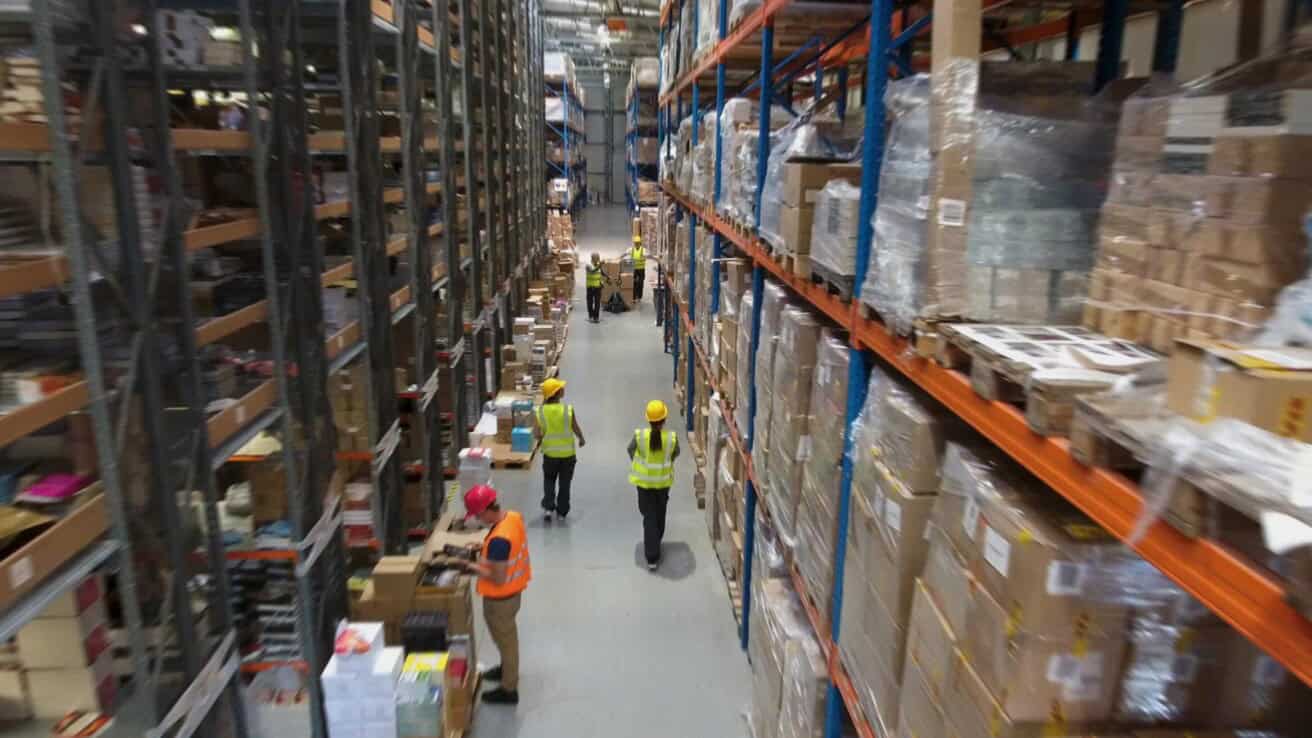
Container deconsolidation is a critical downstream logistics process that enables shippers to efficiently distribute freight after it arrives in a consolidated container. As containerized shipping becomes the standard for moving goods across international and domestic supply chains, many organizations face a common operational challenge. Freight arrives efficiently in large containers, but final delivery requires precision, flexibility, and coordination across multiple destinations. Container deconsolidation solves this challenge by allowing shipments to be separated, staged, and routed in alignment with regional distribution, fulfillment, and inventory planning requirements.
Importers, manufacturers, distributors, and retailers rely on container deconsolidation to support inventory allocation, regional replenishment, and last-mile execution. When paired with container consolidation services upstream and supported by transloading, intermodal transportation, and domestic trucking networks, deconsolidation allows organizations to balance long-haul efficiency with downstream agility. This balance is essential for supply chains that must remain responsive to demand changes while maintaining cost control and service reliability.
The Role of Container Deconsolidation in Modern Supply Chains
Container deconsolidation exists to solve a downstream execution problem rather than a long-haul transportation problem. While container consolidation services focus on combining freight earlier in the supply chain to reduce transportation cost and improve container utilization, container deconsolidation focuses on what happens once freight reaches its destination region.
In many supply chains, freight from multiple suppliers or production locations travels together in a single container for part of the journey. Once that container arrives, the freight inside often needs to be distributed across multiple warehouses, retail locations, job sites, or customer addresses. Container deconsolidation enables this transition by breaking consolidated freight into individual shipments that can be routed independently.
This downstream separation allows shippers to delay final delivery decisions until freight is closer to the end market. As a result, inventory can be allocated more accurately, transportation can be optimized based on actual demand, and fulfillment operations can remain flexible even as conditions change.
Where Container Deconsolidation Takes Place
Container deconsolidation can occur at several points within the logistics network, depending on how a shipper designs its distribution strategy. Common locations include ports, inland ports, rail-served terminals, transloading facilities, and regional distribution centers.
Facilities located near major transportation corridors are particularly valuable for deconsolidation. Proximity to rail ramps, ports, and highways reduces drayage distance, shortens dwell time, and improves outbound delivery performance.
When deconsolidation is combined with transload warehouse solutions, freight can move seamlessly from inbound containers into outbound transportation without unnecessary handling or storage.
How Container Deconsolidation Works From Arrival to Final Distribution
The deconsolidation process begins when a container arrives at the designated facility. Inbound appointments are confirmed, documentation is reviewed, and the container is checked into the system. Accuracy at this stage is critical, as errors can delay unloading and disrupt downstream distribution plans.
Once the container is opened, freight is unloaded and identified by shipment, order, or destination. Each shipment is verified against documentation to ensure accuracy before being staged.
After unloading, shipments are sorted and staged based on outbound requirements. Some freight may be staged for immediate dispatch, while other shipments may be held briefly to align with delivery windows or inventory plans.
Once separated and staged, shipments move into outbound transportation networks through truckload, less-than-truckload, or local delivery routes.
Container Deconsolidation and Transloading Operations
Container deconsolidation is frequently performed within transloading environments where freight transitions between transportation modes or equipment types.
Transloading refers to transferring cargo from one transportation mode or container type to another. In deconsolidation workflows, this often means unloading freight from an international or intermodal container and loading it into domestic trailers.
Rail to truck transloading services are commonly paired with container deconsolidation to reduce long-haul trucking mileage while preserving delivery flexibility.
Container transloading services further support distribution planning when shipment sizes or destination patterns vary.
Facility Requirements for Effective Container Deconsolidation
Facilities supporting container deconsolidation must be designed for speed, accuracy, and flexibility. Adequate dock space, staging areas, material handling equipment, and labor capacity are essential.
Transload warehouse solutions combine deconsolidation, transloading, and short-term storage in a single operation, allowing shippers to allocate inventory and sequence outbound deliveries without unnecessary movement.
Transload logistics coordination ensures labor, dock schedules, equipment positioning, and outbound transportation timing remain aligned to reduce dwell time and prevent congestion.
Container Deconsolidation Versus Container Consolidation Services
Although closely related, container deconsolidation and container consolidation services serve different purposes within the supply chain. Consolidation focuses on combining shipments upstream to improve long-haul efficiency and reduce transportation cost. Deconsolidation focuses on separating shipments downstream to support precise distribution and fulfillment.
Most complex supply chains rely on both processes to balance cost control early in the journey with flexibility closer to end markets.
Business Benefits of Container Deconsolidation
Container deconsolidation improves inventory allocation by allowing freight to be routed based on real-time demand rather than fixed routing decisions.
It enhances distribution flexibility by enabling shipments to move independently into regional networks.
It reduces downstream transportation cost by eliminating unnecessary full-container moves.
It improves visibility by providing insight into freight status during unloading, sorting, and outbound staging.
Common Use Cases for Container Deconsolidation
Import distribution programs rely on deconsolidation to route freight from a single inbound container to multiple domestic destinations.
Rail-served facilities use deconsolidation to transition containers from rail into truck networks.
Distribution centers use deconsolidation to feed fulfillment operations efficiently.
E commerce companies use deconsolidation to allocate inbound inventory across fulfillment locations based on demand.
Selecting a Container Deconsolidation Provider
Key considerations include facility location, operational discipline, labor availability, and the ability to integrate with container consolidation services, transloading, and domestic transportation.
Providers should offer accurate receiving processes, reliable communication, and clear visibility into freight status.
Frequently Asked Questions
What is container deconsolidation?
Container deconsolidation is the process of separating shipments from a consolidated container so they can be distributed to multiple destinations.
Where does container deconsolidation typically occur?
It usually takes place at ports, rail-served facilities, transloading facilities, or distribution centers near major transportation corridors.
How does container deconsolidation differ from container consolidation services?
Container consolidation services combine shipments upstream, while container deconsolidation separates shipments downstream after transportation is complete.
Is container deconsolidation part of transloading?
It often is, as deconsolidation frequently occurs within transloading operations where freight transitions into domestic transportation.
Does container deconsolidation support intermodal transportation?
Yes, deconsolidation allows containers arriving by rail or ocean to move efficiently into truck-based distribution networks.
Partner With STG Logistics
Container deconsolidation supports efficient freight distribution by allowing shippers to separate consolidated freight and route it where it is needed most. Organizations that need help designing or optimizing deconsolidation, transloading, and distribution workflows can contact STG Logistics to discuss facility strategy, inventory flow, and network challenges. By partnering with an experienced logistics provider, shippers gain access to coordinated solutions that improve visibility, increase flexibility, and support reliable freight performance across complex supply chains.