Intermodal Freight: Services, Benefits, and When It’s the Right Shipping Strategy
Intermodal freight has become a cornerstone of modern transportation strategy for shippers seeking predictable long-distance shipping, cost efficiency, multimodal flexibility, and reliable performance across national and global supply chains. By moving cargo in a sealed container that transitions between truck, rail, and sometimes ocean, intermodal freight reduces handling, improves cargo protection, and creates a scalable freight model that aligns with today’s complex distribution networks. As markets expand, delivery expectations tighten, and transportation costs rise, intermodal freight offers shippers a dependable way to maintain fluidity, optimize routing, and reduce total landed cost while supporting sustainability initiatives and long-term operational efficiency.
This guide explains what intermodal freight is, how it functions, the logistics network behind it, and how intermodal companies, drayage providers, and rail carriers work together to produce a unified freight movement. It also compares intermodal freight to other transportation modes, explores the strategic benefits, and shows where intermodal fits best within a shipper’s broader supply chain plan. Whether used for regional replenishment, long-haul national distribution, or international freight connections, intermodal freight offers the blended value of cost, consistency, and containerized protection that modern logistics demands.
What Intermodal Freight Is and Why It Matters
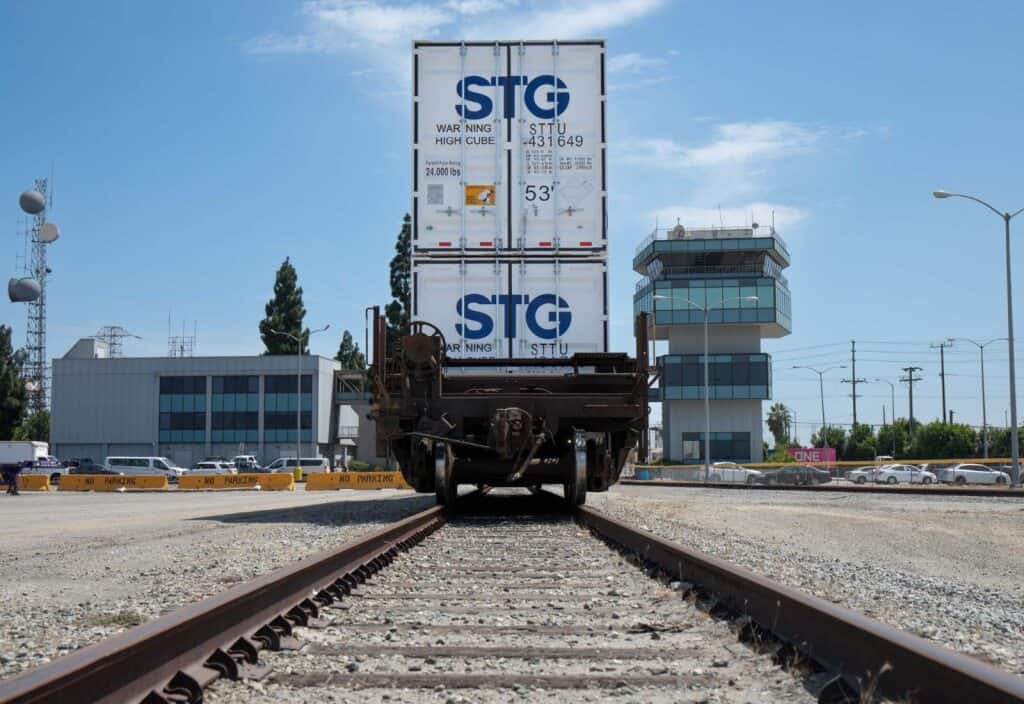
Intermodal freight refers to the movement of goods in a standardized container across multiple transportation modes without unloading cargo. This structure reduces handling, protects product integrity, and enables smooth transitions between trucks, trains, and vessels. The term intermodal reflects the coordinated use of these different modes under a single freight movement, offering both operational and economic advantages to shippers seeking efficiency across large geographic regions.
Shippers increasingly use intermodal for long-haul freight as part of a multi-node solution to control costs and reduce emissions. By shifting the linehaul portion to rail and using drayage carriers and trucks for first- and final-mile delivery, shippers can minimize long-haul trucking spend, lower their carbon footprint, and maintain dependable service across key shipping lanes.
How Intermodal Freight Moves Through the Network
Containerized Loading and Protection
Intermodal freight begins when goods are loaded into a 20, 40, or 53foot container. Once sealed, the container remains closed throughout the journey unless intentionally unloaded. This minimizes damage risk, speeds up transfers between modes, and ensures freight remains secure across rail lines, truck routes, and port terminals.
First Mile Drayage
An intermodal drayage carrier transports the loaded container from the shipper’s facility to the originating rail ramp. These providers handle gate access, appointments, chassis management, and timing, all of which influence the consistency of the intermodal cycle. Drayage partners also return empty containers and reposition equipment where it is needed.
Rail Linehaul Movement
Rail is the core of intermodal freight. Once a container reaches the rail terminal, it is loaded onto a well car and moved across long-distance corridors connecting major inland markets. Rail offers fuel efficiency, predictable transit windows, and strong capacity availability. Intermodal transportation relies on this rail segment to lower overall transportation spend while maintaining freight integrity.
Destination Drayage and Delivery
At the destination rail ramp, a drayage provider retrieves the container and delivers it to the final customer. This completes the intermodal freight cycle. Drayage providers coordinate equipment availability, appointment scheduling, and delivery routing to maintain on-time performance.
Intermodal Services That Support Freight Movement
Domestic Intermodal Services
Domestic intermodal services use high capacity 53foot containers and support long-haul freight across North America. These lanes are ideal for predictable demand cycles, recurring replenishment, and multiregional distribution networks.
International Intermodal Services
International intermodal connects port terminals, rail networks, and inland hubs using ISO containers. This enables ocean freight to travel deep into domestic markets without being repacked, supporting faster port-to-door distribution.
Equipment and Container Allocation
Intermodal companies manage container pools, chassis supply, repositioning, forecasting, and equipment reservations. Efficient equipment management ensures that shippers have access to containers when and where they are needed, reducing supply chain delays.
Visibility and Tracking Technology
Modern intermodal services include real-time milestone visibility, GPS tracking, rail integration updates, and automated alerting systems. These tools help shippers monitor performance and maintain predictable freight cycles.
The Role of Intermodal Companies
Intermodal companies coordinate freight routing, manage capacity, secure equipment, schedule terminal activities, and act as the operational bridge between drayage providers, railroads, and inland carriers. They ensure that intermodal freight transitions cleanly between modes, avoids unnecessary delay, and remains aligned with the shipper’s service requirements. These companies also support exception management, terminal communication, appointment scheduling, and network optimization to maintain dependable service across multimodal routes.
Intermodal Container Shipping in Global Supply Chains
Intermodal container shipping plays a key role in international trade by connecting ocean freight with inland logistics networks. Once an ISO container is unloaded from a vessel, it can move seamlessly by truck or rail to any domestic destination without repacking. This reduces handling costs, accelerates throughput at ports, and protects cargo as it moves across large global regions. Intermodal container shipping is essential for supply chains that depend on synchronized import cycles, export preparation, or cross border freight movement.
How Intermodal Freight Compares to Other Modes
Advantages of Intermodal Freight
Intermodal freight offers: lower long-haul shipping costs, reduced emissions, improved capacity stability, enhanced freight protection, predictable scheduling, and strong alignment with national freight corridors. Its efficiency and flexibility make it a preferred option for shippers balancing performance with cost control.
Limitations to Consider
Intermodal freight may not be ideal for short-haul shipments, overly time-sensitive freight, or lane patterns lacking rail infrastructure. Transit times can be slightly longer than trucking. Proper planning helps shippers navigate these considerations.
Choosing an Intermodal and Drayage Carrier
Selecting the right intermodal and drayage carrier is critical to overall performance. Key considerations include equipment availability, rail terminal expertise, appointment management, on time history, technology capabilities, and geographic coverage. Strong drayage partners ensure smooth first mile and final mile execution, which is essential for maintaining consistent container turns and preventing network congestion.
When Intermodal Freight Is the Right Choice
Intermodal freight is ideal for shipments traveling more than 700 miles, for networks seeking lower transportation costs, for freight moving on predictable cycles, and for organizations prioritizing sustainability. Intermodal integrates well with distribution centers, cross dock strategies, and transload facilities, enabling shippers to blend rail efficiency with flexible inland routing options.
Frequently Asked Questions
What is intermodal freight?
Intermodal freight is cargo moved in a single standardized container across multiple modes, such as truck and rail, without unloading the cargo.
How does intermodal freight reduce costs?
Rail transportation lowers long-distance cost per mile, allowing shippers to reduce total transportation spend while maintaining reliable service.
What types of goods move best in intermodal freight?
Consumer goods, retail products, manufacturing components, and other dry goods typically perform well in intermodal freight networks.
Is intermodal freight the same as intermodal transportation?
Intermodal freight is the cargo itself, while intermodal transportation refers to the multimodal movement of that freight across modes.
Does intermodal freight help sustainability efforts?
Yes. Intermodal freight significantly reduces carbon emissions compared to long-haul trucking, making it a preferred option for environmentally focused shippers.
Partner with STG Logistics
Intermodal freight continues to grow as shippers seek efficient, scalable, and sustainable shipping strategies. By integrating intermodal services into broader logistics planning, companies can access dependable routing, balanced costs, and consistent service across national corridors.
Contact STG Logistics today for coordinated intermodal solutions that connect major inland hubs, rail networks, and distribution channels through reliable, customer focused operations.