The Strategic Edge: Benefits of Transloading & Container Freight Stations for Retailers & Forwarders

In today’s competitive logistics landscape, agility, cost efficiency, and reliability are essential. For large retailers and freight forwarders, transloading services and container freight stations (CFS) provide vital advantages — optimizing multimodal transport, reducing drayage costs, and improving visibility across the supply chain.
This guide explores what these terms really mean, how they work together, and how STG Logistics is helping global retailers and freight forwarders gain a strategic edge through integrated transloading and distribution services.
Transloading
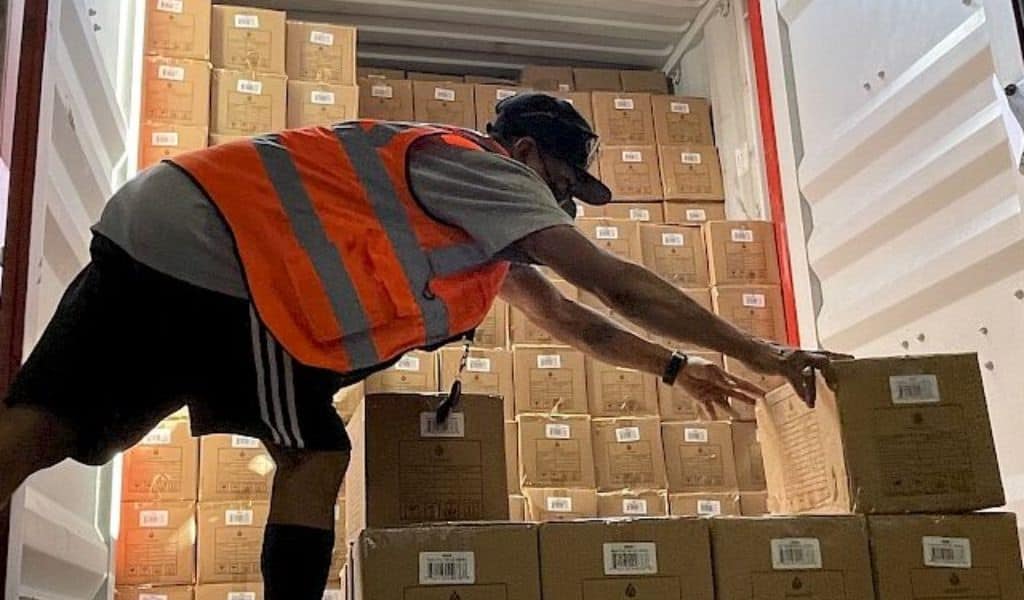
What is transloading? Transloading is the process of transferring freight between transportation modes — for example, unloading goods from an ocean container and reloading them onto a truck or railcar. This allows companies to select the most cost-effective mode for each leg of transport, enhancing both speed and flexibility.
A transloading facility or transload warehouse solutions near ports or inland hubs serve as the operational backbone for these transfers. Providers like STG Logistics combine transloading and warehousing services, offering seamless handling, temporary storage, and last-mile delivery — all under one logistics ecosystem.
What Is a Container Freight Station (CFS)?
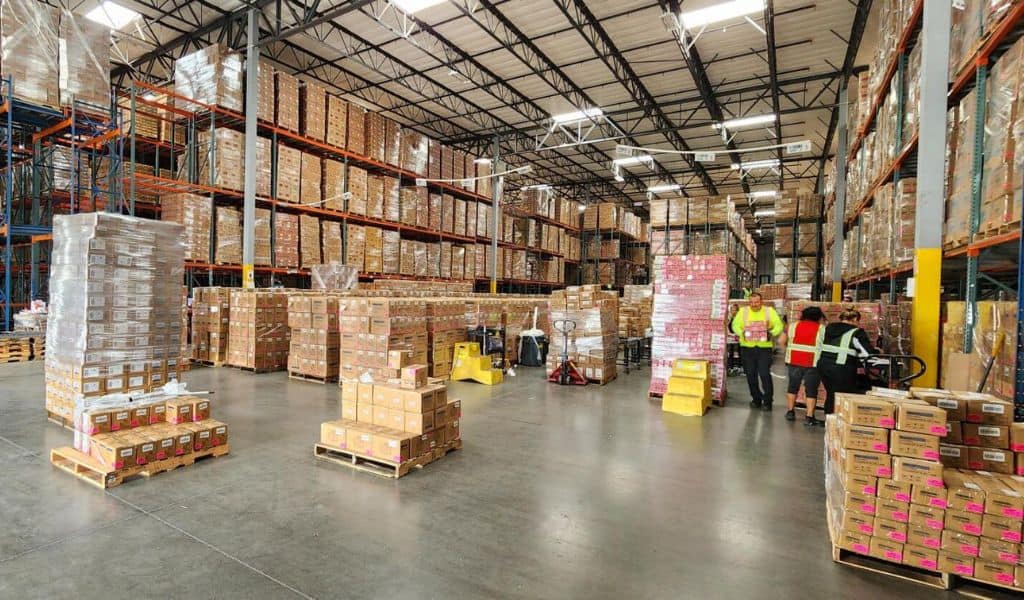
A container freight station (CFS) is a bonded logistics facility used for consolidating, deconsolidating, and storing international cargo before customs clearance or onward transport.
Core functions of a CFS include:
- Deconsolidation: Breaking full containers into smaller domestic shipments.
- Consolidation: Combining LCL (less-than-container load) freight into full containers for export.
- Bonded storage: Temporary customs-controlled warehousing.
- Inspection and labeling: Supporting compliance and efficient distribution.
STG Logistics operates one of the largest CFS networks in North America — with 60+ locations, bonded operations, and integrated drayage capabilities that keep freight moving efficiently from port to final destination.
Benefits of Transloading and Container Freight Stations
1. Cost Efficiency & Mode Optimization
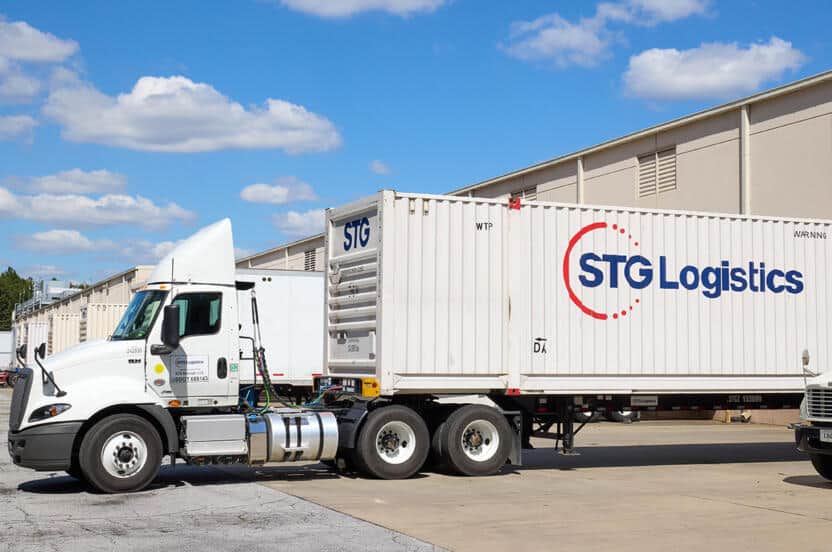
Transloading services reduce overall freight spend by matching shipments to the most efficient modes. STG’s container transloading and transload logistics minimize empty miles and reposition containers strategically to cut drayage costs.
2. Supply Chain Flexibility & Resilience
Transload warehouse solutions and CFS facilities provide essential buffers during port congestion or weather disruptions. STG’s network enables rerouting and load balancing to maintain service continuity.
3. Faster Lead Times & Inventory Flow
Rail to truck transloading services accelerate movement from port to distribution center, reducing dwell time and enabling faster product availability for retailers and e-commerce channels.
4. Simplified Coordination & Compliance
An integrated transloading facility like STG’s manages customs, documentation, and OS&D under one provider, ensuring smoother coordination and fewer exceptions.
5. Sustainability & Reduced Emissions
By optimizing routes and consolidating shipments, drayage and transloading together cut carbon emissions and support corporate ESG objectives.
Best Practices for Effective Transloading
- Plan early — share routing and product data before container arrival.
- Choose multimodal hubs — proximity to ports or rail ramps minimizes drayage.
- Integrate digital systems — connect WMS/TMS platforms for visibility.
- Ensure bonded compliance — use customs-approved facilities.
- Select experienced partners — proven providers like STG Logistics deliver scale, technology, and expertise.
Why STG Logistics Leads in Transloading & CFS
- Nationwide network: 60+ U.S. locations, 32 owned and 66 partner facilities.
- Bonded CFS operations: Seamless customs handling and storage.
- Integrated services: Drayage, transloading, and warehousing combined.
- Real-time visibility: Digital portals and milestone reporting.
- Scalable resources: Flexible labor and equipment for peak demand.
STG Logistics’ transload warehouse solutions offer the flexibility and control large retailers need to manage complex global supply chains efficiently.
Frequently Asked Questions (FAQs)
1. What does “transloading” mean in logistics?
Transloading is the transfer of cargo between transportation modes (e.g., ship to truck or rail) to improve speed, cost, and flexibility.
2. How is transloading different from cross-docking?
Cross-docking typically involves same-mode transfer (truck-to-truck), while transloading switches modes (ocean-to-rail/truck) to optimize logistics performance.
3. What is a container freight station (CFS)?
A CFS is a bonded facility for deconsolidating or consolidating containers, supporting customs inspections and intermediate storage.
4. Why is transloading important for large retailers?
It helps cut costs, shorten delivery times, and improve inventory control by moving freight closer to consumer markets efficiently.
5. What is “drayage and transloading”?
Drayage handles short-haul container transport (e.g., port to facility), while transloading involves unloading and reloading for the next leg.
6. How does transloading support sustainability?
By reducing empty miles and optimizing routes, transloading lowers fuel use and carbon emissions.
7. Where are STG Logistics’ transload facilities located?
STG operates nationwide in major port and inland hubs like Los Angeles, Savannah, Chicago, New York/New Jersey, Houston, and Seattle.
8. Does STG Logistics provide bonded and customs-compliant services?
Yes. STG runs bonded container freight stations and transload facilities that handle customs exams and import/export documentation seamlessly.
Final Takeaway
Transloading and container freight stations (CFS) are strategic tools for retailers and freight forwarders aiming to build faster, leaner, and more resilient supply chains.
By partnering with STG Logistics — a trusted leader in transloading and warehousing services — businesses can simplify coordination, reduce costs, and improve delivery performance from port to door.