Drayage carriers play a critical but often misunderstood role in modern freight transportation. While drayage moves typically cover short distances, they form the connective tissue that links ports, rail terminals, transloading facilities, and distribution centers within intermodal networks.
As global trade volumes grow and intermodal shipping becomes more central to supply chain strategy, the performance of drayage carriers has a direct impact on cost, transit reliability, and inventory flow. A delayed or poorly executed drayage move can disrupt rail schedules, increase detention and demurrage costs, and ripple across downstream transportation plans.
This guide explains what drayage carriers do, how drayage services support intermodal transportation, and how transloading and warehousing extend the value of short-haul freight moves. It also outlines what shippers should consider when selecting drayage carriers as part of an integrated transportation strategy.
What Are Drayage Carriers
Drayage carriers specialize in short-distance transportation, typically moving freight between ports, rail ramps, transloading facilities, and nearby warehouses or distribution centers. These moves often occur at the beginning or end of an intermodal shipment and are essential to connecting long-haul rail or ocean transportation with inland trucking networks.
Drayage moves are usually measured in miles rather than days, but their timing is critical. Containers must be picked up and delivered within tight appointment windows to avoid congestion, storage charges, and service delays.
Drayage carriers operate within highly regulated and time-sensitive environments, requiring strong terminal knowledge, precise scheduling, and experienced drivers familiar with port and rail operations.
The Role of Drayage in Intermodal Transportation
Drayage is a foundational component of intermodal transportation. While rail and ocean modes handle long-distance freight movement, drayage carriers manage the first and last short-haul segments that make those modes accessible.
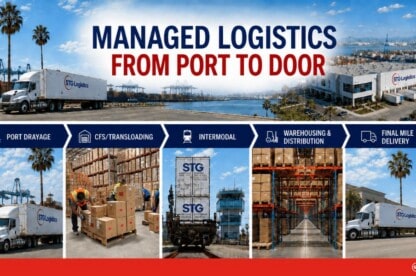
A common intermodal scenario involves an ocean container arriving at a port, being moved by a drayage carrier to a nearby rail ramp, traveling inland by rail, and then being delivered by another drayage move to a transloading facility or warehouse.
Without reliable drayage services, intermodal shipping cannot function efficiently. Missed rail cutoffs, terminal congestion, or driver availability issues at the drayage level can disrupt the entire transportation chain.
How Drayage Carriers Support Port Operations
Ports are complex, high-volume environments where efficiency depends on precise coordination. Drayage carriers serve as the primary link between port terminals and inland transportation networks.
Effective drayage operations help clear containers from terminals quickly, reducing congestion and freeing up port capacity. This is especially important during peak shipping seasons when terminal space is constrained and dwell times increase.
Drayage carriers must manage appointment systems, chassis availability, gate procedures, and traffic patterns while maintaining compliance with port regulations and safety requirements.
Rail Drayage and Inland Freight Movement
Rail drayage connects ocean and domestic containers to intermodal rail terminals. These short-haul moves are time-sensitive, as missing a rail departure can delay shipments by days.
Rail drayage requires coordination between trucking providers, rail operators, and terminal facilities. Drayage carriers with strong rail ramp experience understand cutoff times, container grounding procedures, and equipment requirements.
By executing reliable rail drayage, carriers help shippers access the cost and capacity benefits of intermodal rail transportation.
Drayage and Transloading Operations
Drayage carriers frequently work in tandem with transloading operations. After containers are moved from ports or rail ramps, drayage carriers deliver them to a transloading facility where freight can be transferred into domestic trailers.
Understanding what is transloading clarifies this relationship. Transloading involves transferring freight between containers or trailers to optimize downstream transportation. Drayage carriers make this possible by positioning containers at the right facilities at the right time.
Efficient coordination between drayage carriers and transloading facilities reduces container dwell time, improves throughput, and supports faster distribution.
Inside a Transloading Facility Served by Drayage
A transloading facility supported by drayage operations is designed for rapid container processing. These facilities are often located near ports or rail ramps to minimize drayage distance and reduce congestion exposure.
Key features include container handling equipment, dock doors capable of servicing multiple trailer types, and secure staging areas. Many facilities also offer transload warehouse solutions such as short-term storage, palletization, labeling, and inspection.
Drayage carriers play a critical role in keeping these facilities supplied with inbound containers and ensuring outbound freight flows smoothly.
Drayage, Container Deconsolidation, and Consolidation
Drayage carriers enable both container deconsolidation and consolidation strategies. Import containers are often deconsolidated at transloading facilities into multiple domestic shipments destined for different markets.
Conversely, exporters may consolidate freight from multiple origins into containers for outbound movement. Drayage carriers move containers between facilities to support these strategies.
These services allow shippers to match shipment size and routing to demand, improving cost efficiency and service performance.
Cost Drivers in Drayage Services
Drayage pricing is influenced by distance, terminal wait times, chassis availability, appointment requirements, and local market conditions. Congestion at ports and rail ramps can significantly impact cost and service reliability.
Additional charges such as detention, demurrage, and per diem are closely tied to drayage performance. Efficient drayage carriers help shippers minimize these costs by managing appointments, turn times, and container returns effectively.
Evaluating drayage cost requires considering both linehaul charges and the potential financial impact of delays.
Managing Risk and Reliability in Drayage
Drayage is exposed to unique risks, including terminal congestion, labor disruptions, equipment shortages, and regulatory changes. These factors make carrier selection especially important.
Reliable drayage carriers invest in experienced drivers, terminal expertise, and operational planning. They also maintain strong communication with ports, rail operators, and logistics partners to anticipate and mitigate disruptions.
Shippers that prioritize drayage reliability often experience smoother intermodal operations and fewer downstream issues.
Technology and Visibility in Drayage Operations
Technology is increasingly important in drayage management. Appointment scheduling systems, real-time tracking, and automated notifications improve coordination and visibility.
When integrated with transportation management systems, drayage data provides insight into container status, dwell times, and performance trends. This visibility supports proactive decision making and continuous improvement.
Drayage carriers with modern technology capabilities are better equipped to operate efficiently in congested environments.
Drayage Carriers and Environmental Considerations
Drayage operations are subject to environmental regulations, particularly in port regions. Emissions standards, clean truck programs, and equipment requirements influence carrier operations.
Many drayage carriers invest in newer equipment and alternative fuel technologies to comply with regulations and support shipper sustainability goals. Efficient routing and reduced idle time also contribute to lower emissions.
Environmental compliance is an increasingly important factor in drayage carrier selection.
Choosing the Right Drayage Carrier
Selecting a drayage carrier requires evaluating more than price. Shippers should consider terminal experience, geographic coverage, equipment availability, and communication practices.
Carriers with established relationships at ports and rail ramps, as well as access to transloading facilities, offer greater flexibility and reliability. The ability to scale capacity during peak periods is also critical.
A strong drayage partner enhances intermodal performance rather than becoming a bottleneck.
Frequently Asked Questions
What is the difference between drayage and trucking?
Drayage focuses on short haul container moves near ports and rail terminals, while trucking covers longer regional or national transportation.
How long is a typical drayage move?
Most drayage moves occur within a local radius and are completed in a single day, though timing depends on terminal conditions and appointments.
Do drayage carriers handle empty container returns?
Yes, managing empty returns is a core part of drayage operations and helps minimize per diem and detention charges.
How does drayage support intermodal shipping?
Drayage carriers connect ports, rail ramps, and transloading facilities, enabling freight to move seamlessly between transportation modes.
Partner with STG Logistics
STG Logistics works with experienced drayage carriers to support efficient intermodal shipping and transload logistics across key port and rail markets. Through integrated operations, advanced coordination, and strategically located facilities, STG Logistics helps shippers reduce delays, control cost, and maintain reliable freight flow.
To learn how drayage services fit into your intermodal transportation strategy, contact STG Logistics to discuss your network requirements and service priorities.