Intermodal Drayage Services: Connecting Ports, Rail, and Distribution Networks
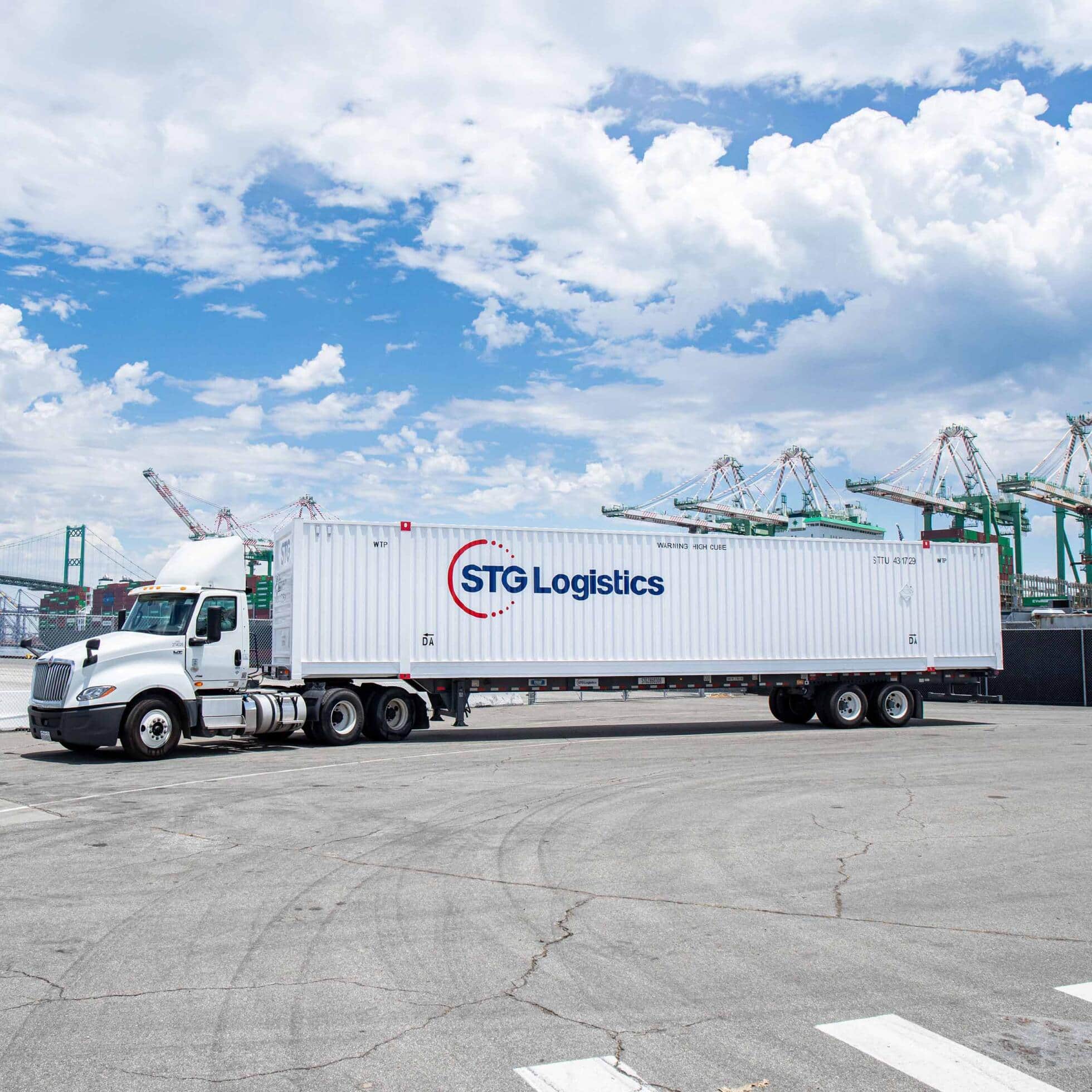
Intermodal drayage services are a critical component of modern supply chains, enabling freight to move efficiently between major transportation hubs such as ports, rail terminals, and distribution facilities. As global trade volumes increase and logistics networks become more complex, businesses rely on these drayage operations to ensure that containers transition smoothly.
At a foundational level, intermodal drayage services involve the short-distance transportation of shipping containers, typically within the same region. These movements serve as the link between long-distance transportation methods such as ocean freight and rail, and local delivery systems supported by trucking networks. Without this connection, cargo would struggle to move efficiently beyond ports and rail yards.
Many logistics providers, including STG Logistics, support these operations by integrating port access, rail connectivity, and warehouse infrastructure. This level of coordination allows businesses to maintain consistent cargo movement while minimizing delays across supply chains.
As companies continue to optimize logistics strategies, intermodal drayage services remain essential for supporting efficient, flexible, and scalable freight movement.
What Intermodal Drayage Services Are and How They Work
Intermodal drayage services refer to the short-haul transportation of containers between logistics hubs. These services are a specialized form of container drayage that specifically supports intermodal transportation networks.
The process typically begins when a container arrives at a port or rail terminal. From there, a drayage truck transports the container to another facility such as a warehouse, distribution center, or rail ramp. This movement allows cargo to continue along its route without interruption.
A typical workflow includes:
• Container arrival at port or rail terminal
• Pickup by drayage carriers using specialized chassis
• Transport to next facility such as a warehouse or rail ramp
• Delivery and staging for the next transportation phase
This process may occur multiple times throughout a shipment’s journey. For example, a container may move from a port to a rail yard, then later from a rail terminal to a distribution center.
Because cargo is moved physically during these transitions, timing and coordination are essential. Efficient intermodal drayage services ensure that shipments remain on schedule and move seamlessly between transportation modes.
When Intermodal Drayage Services Are Used in Supply Chains
Intermodal drayage services are used whenever containers need to move between transportation hubs within a regional area. These services are especially important in supply chains that rely on intermodal shipping to move freight over long distances.
One of the most common use cases involves international shipments. Containers arriving at a port must be transported to a nearby rail terminal for inland distribution. Once the cargo reaches its destination region, it is transported again to a warehouse or final delivery location.
Common use cases include:
• Port to rail terminal transfers
• Rail terminal to warehouse delivery
• Container yard to distribution center movement
• First-mile and last-mile container transport
Intermodal drayage services also play a key role in domestic supply chains. Even when goods move entirely within one country, containers often require short-distance transport between rail and trucking networks.
In many cases, intermodal shipping strategies depend on these services to maintain efficiency. Without them, long-distance transportation modes would not be able to connect effectively with local distribution networks.
The Role of Drayage in Intermodal Transportation
Intermodal transportation relies on multiple transportation modes working together to move freight efficiently. While ships and trains handle long-distance transport, trucks provide the flexibility needed for short-distance movement. Intermodal drayage services connect these systems.
Intermodal transportation depends on seamless transitions between transportation modes. Each time a container changes from ship to rail or from rail to truck, intermodal drayage services facilitate that movement.
Intermodal freight benefits from this coordination because it allows each mode to be used where it performs best:
• Ships for international transport
• Rail for long-distance inland movement
• Trucks for regional and final delivery
Without these short-distance connections, containers would not be able to transition between systems efficiently.
This structure allows businesses to optimize cost and efficiency while maintaining reliable delivery schedules. Intermodal drayage services ensure that cargo continues moving without unnecessary delays or disruptions.
Infrastructure Supporting Intermodal Drayage Services
Efficient intermodal drayage services depend on a network of infrastructure that supports container movement between transportation hubs. These facilities provide the physical foundation for logistics operations.
Key infrastructure components include:
• Marine terminals where containers are unloaded from ships
• Rail ramps that connect rail networks to trucking operations
• Container yards for staging and storage
• Warehouses and distribution centers for cargo handling
Drayage carriers operate within these environments using specialized trucks and chassis designed to transport containers. These assets allow for efficient movement between facilities.
Many intermodal companies, including STG Logistics, operate within these networks to support container movement across supply chains. Their infrastructure connects transportation modes and helps maintain efficient cargo flow.
Technology systems also play an important role. These tools provide real-time visibility into container location and help coordinate scheduling between facilities.
Benefits of Intermodal Drayage Services for Freight Movement
These drayage operations provide several advantages for businesses managing complex logistics operations. One of the most important benefits is efficiency. By enabling smooth transitions between transportation modes, these services help maintain consistent cargo movement.
Another key benefit is flexibility. Containers can be routed through different transportation networks based on cost, timing, and infrastructure availability.
Additional benefits include:
• Faster movement between transportation hubs
• Reduced delays in cargo transfers
• Improved coordination across supply chains
• Greater access to regional and national markets
These services also support scalability. As shipping volumes increase, businesses can expand operations without disrupting existing logistics networks.
Challenges and Considerations in Drayage Operations
While these services provide many benefits, they also present challenges that must be managed carefully. One of the most common issues is congestion at ports and rail terminals. High container volumes can lead to delays that affect shipment timelines.
Equipment availability is another challenge. Drayage carriers must have access to chassis and trucks to move containers efficiently. Shortages can disrupt operations.
Other challenges include:
• Scheduling coordination between transportation modes
• Traffic congestion in port cities
• Regulatory requirements affecting trucking operations
• Labor constraints in logistics networks
Logistics providers such as STG Logistics help address these challenges by coordinating infrastructure, transportation networks, and operational planning. This ensures that cargo continues moving efficiently even in complex environments.
The Importance of Coordination in Intermodal Shipping
Effective intermodal shipping depends on coordination between multiple providers and infrastructure systems. Intermodal drayage services are central to this coordination, ensuring containers move efficiently between transportation hubs.
Coordination activities include:
• Scheduling container pickups and deliveries
• Managing transitions between transportation modes
• Tracking shipments across networks
• Adjusting operations based on real-time conditions
By managing these processes, logistics providers help maintain reliable freight movement across supply chains.
As supply chains continue to evolve, the importance of coordination will only increase. Businesses that invest in strong logistics strategies can improve efficiency and maintain competitive advantage.
Frequently Asked Questions
What are intermodal drayage services?
Intermodal drayage services refer to the short-distance transport of shipping containers between ports, rail terminals, and nearby logistics facilities.
When are intermodal drayage services used?
They are used when containers need to move between transportation hubs such as ports and rail yards as part of intermodal shipping.
How do intermodal drayage services support logistics?
They connect different transportation modes, ensuring containers move efficiently between ships, trains, and trucks.
What equipment is used in intermodal drayage services?
Specialized trucks and chassis are used to transport containers between terminals and distribution facilities.
How do companies choose intermodal drayage services providers?
Companies evaluate providers based on port experience, reliability, equipment availability, and scheduling efficiency.
Partner with STG Logistics
Reliable container movement depends on strong coordination between ports, rail networks, and trucking operations. STG Logistics supports businesses with integrated logistics solutions that connect these systems and improve supply chain performance.
Through expertise in container handling, intermodal coordination, and infrastructure support, STG Logistics helps companies move freight efficiently across complex transportation networks. These capabilities allow businesses to maintain visibility, reduce delays, and improve overall logistics performance.
To learn how intermodal drayage services can support your logistics strategy, contact STG Logistics to explore solutions designed to improve your supply chain operations.