Bonded Warehousing: A Practical Lever for Forwarders to Unlock Flexibility and Savings
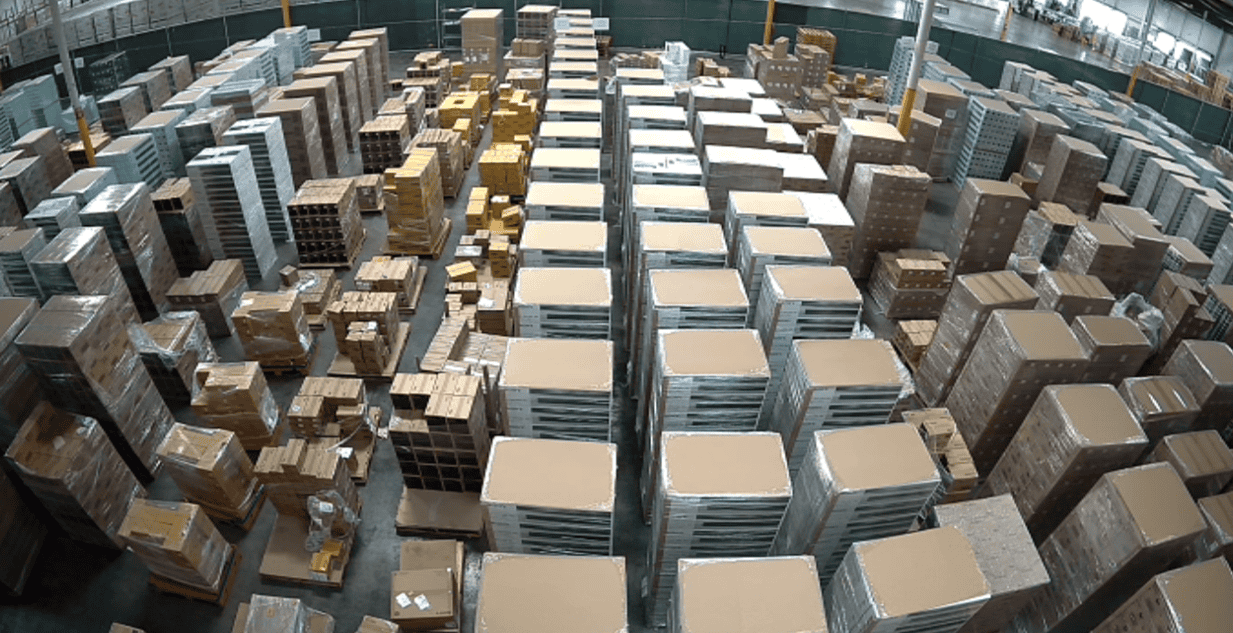
For forwarders helping customers manage duty exposure and rising inventory costs, bonded warehousing is one of the most practical—and underutilized—tools available today. While Foreign Trade Zones (FTZs) offer additional flexibility, bonded storage remains the most accessible and scalable starting point for many importers looking to improve cash flow and inventory control.
Our survey of 500 enterprise importers found 32.8% used bonded storage, 11.4% used FTZs, and 55.8% used both in 2025. Notably, bonded warehousing continues to serve as the foundation for most duty-deferral strategies—often delivering immediate impact without the complexity of FTZ setup.
Why it matters now
Tariffs and ongoing trade volatility are forcing importers to make faster, higher-stakes decisions. In 2025, 85.6% of firms pulled freight forward to avoid duties. While that improved product availability (52%), it also increased storage costs (42%) and strained working capital (44%).
Bonded warehousing offers a more strategic alternative. Instead of rushing goods into U.S. commerce and triggering immediate duty payments, forwarders can help customers store inventory under bond—delaying duty, preserving cash, and maintaining flexibility as demand signals evolve.
With the right logistics partner, this becomes not just a storage solution, but a coordinated supply chain strategy.
What bonded warehousing enables
Bonded warehouses allow goods to be stored under U.S. Customs control without paying duties until the product is formally entered into U.S. commerce.
This creates several practical advantages:
- Duty deferral: Delay payments until inventory is needed, improving working capital
- Extended storage windows: Store goods for longer periods (up to five years in many cases)
- Inventory control: Position product closer to market without committing to immediate distribution
- Operational flexibility: Perform inspections, sorting, labeling, and light processing before final entry
For many importers, these benefits directly address today’s biggest pressures—cash flow constraints and demand uncertainty—without requiring major operational changes.
How STG Logistics enhances bonded warehousing value
Realizing the full benefit of bonded warehousing depends on execution. It requires the ability to move freight efficiently from port to storage, manage it within a compliant environment, and quickly redeploy it when needed.
STG Logistics brings these capabilities together through an integrated national platform designed to support shippers and forwarders at every step:
- Strategically located bonded facilities near major ports and inland distribution hubs, enabling faster access to key markets
- Seamless port-to-warehouse connectivity through integrated drayage, CFS, and transloading services that reduce dwell time and handling complexity
- Scalable warehousing solutions that flex with customer demand, whether for short-term staging or longer-term storage under bond
- In-warehouse value-added services—including inspection, labeling, palletization, and order preparation—so products can be market-ready before duty is triggered
- Deep customs and compliance expertise to help navigate regulatory requirements, maintain audit readiness, and reduce risk
- End-to-end visibility and inventory management that gives customers clear insight into where goods are, when duties apply, and how to optimize landed cost
By combining infrastructure, transportation, and compliance under one provider, STG simplifies what can otherwise be a fragmented process—allowing forwarders to deliver bonded solutions with greater speed, reliability, and transparency.
Where FTZs fit in
FTZs can complement bonded strategies, particularly for companies with high volumes, complex production needs, or frequent re-export activity. However, they typically require more setup and long-term commitment.
For many forwarders and shippers, bonded warehousing provides the fastest and most practical path to capturing duty savings and improving cash flow—while leaving the door open to expand into FTZ programs as operations scale.
Simple steps forwarders can take
Target the right customers
Focus on importers with seasonal demand, high-duty products, or unpredictable sales cycles where delaying duty payments creates clear value.
Build bonded-first offerings
Package bonded storage with value-added services—like inspection and labeling—to create flexible, ready-to-deploy solutions that align with customer needs.
Highlight the financial impact
Position bonded warehousing as a cash flow and working capital solution, not just a storage option.
Pilot and expand
Start with a focused program, measure duty deferral, storage costs, and inventory turns, and scale based on results.
Bottom line
Bonded warehousing is one of the most accessible and effective tools forwarders can use to help customers navigate today’s trade environment. It delivers immediate flexibility, preserves working capital, and reduces the need for reactive inventory decisions.
With STG Logistics’ integrated network, operational expertise, and visibility tools, forwarders can turn bonded warehousing into a true supply chain advantage—helping shippers stay agile, control costs, and position inventory where it creates the most value.