
Container Consolidation Services for Cost Control and Freight Network Efficiency
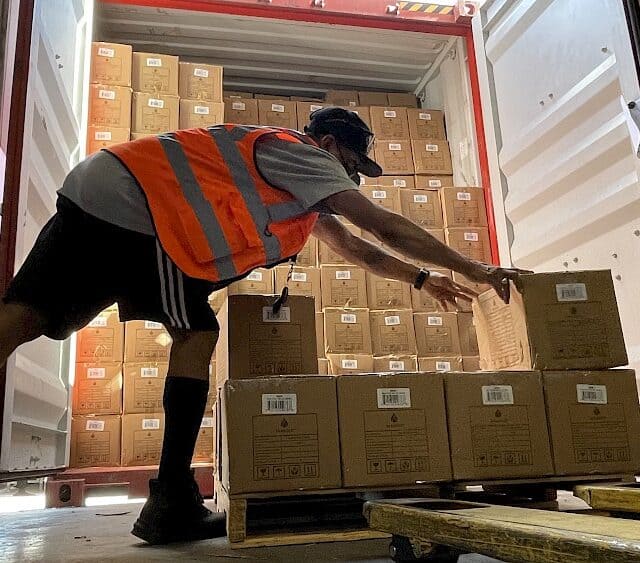
Container consolidation services help shippers move freight more efficiently by combining multiple smaller shipments into a single container. As supply chains grow more complex and shipping volumes fluctuate, many organizations struggle with underutilized containers, inconsistent schedules, and rising transportation costs. Container consolidation services address these challenges by improving container utilization, reducing per shipment cost, and creating more predictable freight flows across domestic and international networks.
Importers, manufacturers, distributors, and retailers use consolidation to align inbound freight with downstream distribution requirements. By grouping compatible shipments at strategic locations near ports, rail ramps, and inland logistics hubs, organizations can reduce unnecessary handling and improve overall transportation efficiency. When paired with container deconsolidation, intermodal transportation, and transloading operations, consolidation becomes a core component of a scalable freight strategy.
What Container Consolidation Services Are and How They Function
Container consolidation services involve combining multiple shipments into a single shipping container so they can move together through part or all of the transportation network. Instead of shipping partial loads separately, freight is staged at a consolidation point and loaded into a container that travels as one unit.
Consolidation may include freight from one shipper with multiple suppliers or freight from multiple shippers moving toward the same destination region. The consolidation process focuses on cargo compatibility, load planning, and documentation accuracy to ensure freight moves safely and efficiently.
These services are commonly used in both international and domestic shipping. In international logistics, consolidation reduces ocean freight costs and improves inbound flow at ports. In domestic networks, consolidation supports regional distribution, intermodal routing, and predictable replenishment cycles.
Where Container Consolidation Takes Place
Container consolidation typically occurs at warehouses, container freight stations, port-adjacent facilities, or inland logistics hubs. Facilities located near ports, rail terminals, or major highway corridors provide additional advantages by reducing drayage distance and supporting faster transitions between transportation modes.
Many consolidation facilities also support container transloading services, allowing freight to shift between container types or into domestic trailers when needed. When combined with transload warehouse solutions, consolidation facilities can support staging, short-term storage, and outbound sequencing without adding unnecessary complexity.
How Container Consolidation Services Work Step by Step
Freight Collection and Coordination
The process begins with coordinating inbound freight from multiple origins. Shipments are scheduled to arrive within defined windows so they can be grouped efficiently. Strong coordination at this stage helps prevent delays and ensures the container can be built according to plan.
Receiving and Staging at the Facility
Inbound freight is received, verified, and staged at the consolidation facility. Each shipment is checked against documentation to confirm quantity and condition. Accurate receiving is critical, especially when multiple suppliers or vendors are involved.
Container Loading and Sealing
Once all shipments are staged, freight is loaded into the container based on a detailed load plan. Weight distribution, stacking order, and securing methods are used to maximize space utilization and protect cargo. After loading, the container is sealed and prepared for transportation.
Transportation and Downstream Routing
The consolidated container moves through the network via truck, rail, ocean, or a combination of modes. Intermodal transportation is commonly used for longer distances, allowing the container to move by rail for part of the journey before transitioning to truck for final delivery.
At destination, the container may be delivered directly to a facility or routed to a location for container deconsolidation and distribution.
The Relationship Between Container Consolidation and Deconsolidation
Container consolidation services are often paired with container deconsolidation to support efficient distribution. Consolidation combines multiple shipments into a single container for long haul movement. Container deconsolidation separates those shipments at destination so they can be routed independently.
This approach is especially useful when freight shares a long distance route but must reach multiple final destinations. Consolidation reduces long haul transportation cost, while deconsolidation supports flexible last mile and regional delivery.
Understanding how these two services work together helps shippers design freight flows that balance cost efficiency with service requirements.
How Consolidation Supports Intermodal and Distribution Strategies
Consolidated containers integrate well with intermodal transportation strategies. Rail provides cost efficiency and capacity stability for long distance movement, while trucking supports first mile and final mile execution. This combination helps shippers control cost while maintaining predictable schedules.
Consolidation also supports distribution center replenishment and cross dock operations. When containers arrive at facilities designed for rapid unloading, freight can move quickly into outbound routes. This reduces dwell time and improves inventory turnover.
Facilities that support both consolidation and transload logistics allow organizations to adapt routing decisions as conditions change, without disrupting freight flow.
Business Benefits of Container Consolidation Services
- Lower transportation costs through improved container utilization.
- Fewer containers moving through the network.
- More predictable freight schedules.
- Reduced handling and fewer touchpoints.
- Improved visibility into inbound freight flows.
Common Use Cases for Container Consolidation
Import consolidation is widely used when freight from multiple overseas suppliers is combined into one container to reduce ocean freight costs.
Domestic consolidation supports regional distribution when shipments are moving toward the same market or distribution network.
Retail and e commerce companies use consolidation to manage inbound inventory efficiently and control freight spend.
Manufacturers use consolidation to coordinate inbound components and maintain steady production flow.
Choosing a Container Consolidation Services Provider
Selecting the right provider has a direct impact on efficiency, accuracy, and cargo integrity. Important considerations include facility location, operational discipline, labor availability, and experience managing multi supplier freight.
Providers that also support container deconsolidation, intermodal transportation, transloading, and warehousing can reduce handoffs and improve accountability. Technology and visibility tools are essential for managing documentation, tracking shipments, and responding quickly to exceptions.
STG Logistics supports container consolidation services as part of an integrated logistics offering that includes intermodal transportation, container transloading services, and warehouse based distribution. This coordinated approach allows shippers to move freight efficiently while maintaining flexibility across complex supply chains.
Frequently Asked Questions
What are container consolidation services?
Container consolidation services combine multiple smaller shipments into a single container to improve space utilization and reduce transportation costs.
When should container consolidation services be used?
They are best used when individual shipments do not fill a container but share compatible routing or destination requirements.
Where do container consolidation services take place?
Consolidation typically occurs at warehouses, container freight stations, or logistics hubs near ports or rail terminals.
What is the difference between container consolidation and container deconsolidation?
Consolidation combines shipments into one container, while container deconsolidation separates shipments after arrival for final distribution.
Do container consolidation services work with intermodal transportation?
Yes. Consolidated containers often move by rail for long distance segments and transition to truck for final delivery.
Partner With STG Logistics
Container consolidation services help organizations control transportation costs, improve container utilization, and align inbound freight with downstream distribution strategies. Businesses that want to optimize consolidation programs, integrate intermodal transportation, or coordinate transloading and deconsolidation workflows can contact STG Logistics to discuss network design, facility strategy, and freight requirements. By partnering with an experienced logistics provider, shippers gain access to coordinated solutions that improve visibility, increase flexibility, and support reliable freight performance across complex supply chains.


