Freight and Transportation: Understanding How Goods Move Through Modern Supply Chains
Freight and transportation form the foundation of modern supply chains. Every product that travels from a manufacturer to a warehouse, retail location, or final customer relies on coordinated logistics networks to reach its destination. Businesses depend on reliable shipping systems to maintain inventory levels, support production schedules, and meet customer expectations.
Freight refers specifically to goods and commodities being shipped, while transportation describes the broader infrastructure and services used to move those goods. Together, these systems allow companies to distribute products across regional, national, and global markets.
Today’s logistics networks combine multiple transportation modes, specialized facilities, and coordinated service providers to ensure efficient cargo movement. From trucking and rail to intermodal container shipping and transload warehouse solutions, modern logistics strategies help businesses move goods reliably while controlling costs.
Understanding how freight movement works allows companies to select appropriate shipping methods, optimize routing strategies, and maintain flexible distribution networks.
What Freight and Transportation Mean in Logistics
Within logistics operations, freight represents the physical cargo moving through the supply chain. Transportation refers to the vehicles, infrastructure, and services responsible for moving that cargo between locations.
Businesses rely on coordinated logistics networks to move goods between several critical supply chain points:
- Manufacturing facilities and production plants
- Ports, rail terminals, and intermodal hubs
- Distribution centers and warehouses
- Retail locations and customer delivery points
These systems must coordinate vehicles, schedules, routing, and cargo handling to ensure shipments arrive safely and on time. In most cases, multiple transportation modes work together to move products efficiently across large geographic regions.
As supply chains expand across markets, cargo movement becomes more complex. Companies must coordinate carriers, manage documentation, comply with regulations, and track shipments across multiple logistics providers. Strong logistics planning ensures these moving parts function together efficiently.
Major Types of Freight Transportation
Goods can move through supply chains using several transportation methods. Each mode offers advantages depending on shipment size, distance, delivery speed, and cost considerations.
Truck Transportation
Truck transport remains the most widely used shipping method in North America. Trucks provide flexibility for regional and long-distance delivery while connecting facilities that may not have rail or port access.
Common trucking services include:
- Full truckload shipments for large freight volumes
- Less-than-truckload shipping for smaller shipments
- Dedicated fleet transportation for consistent routes
- Specialized vehicles for oversized or temperature-sensitive cargo
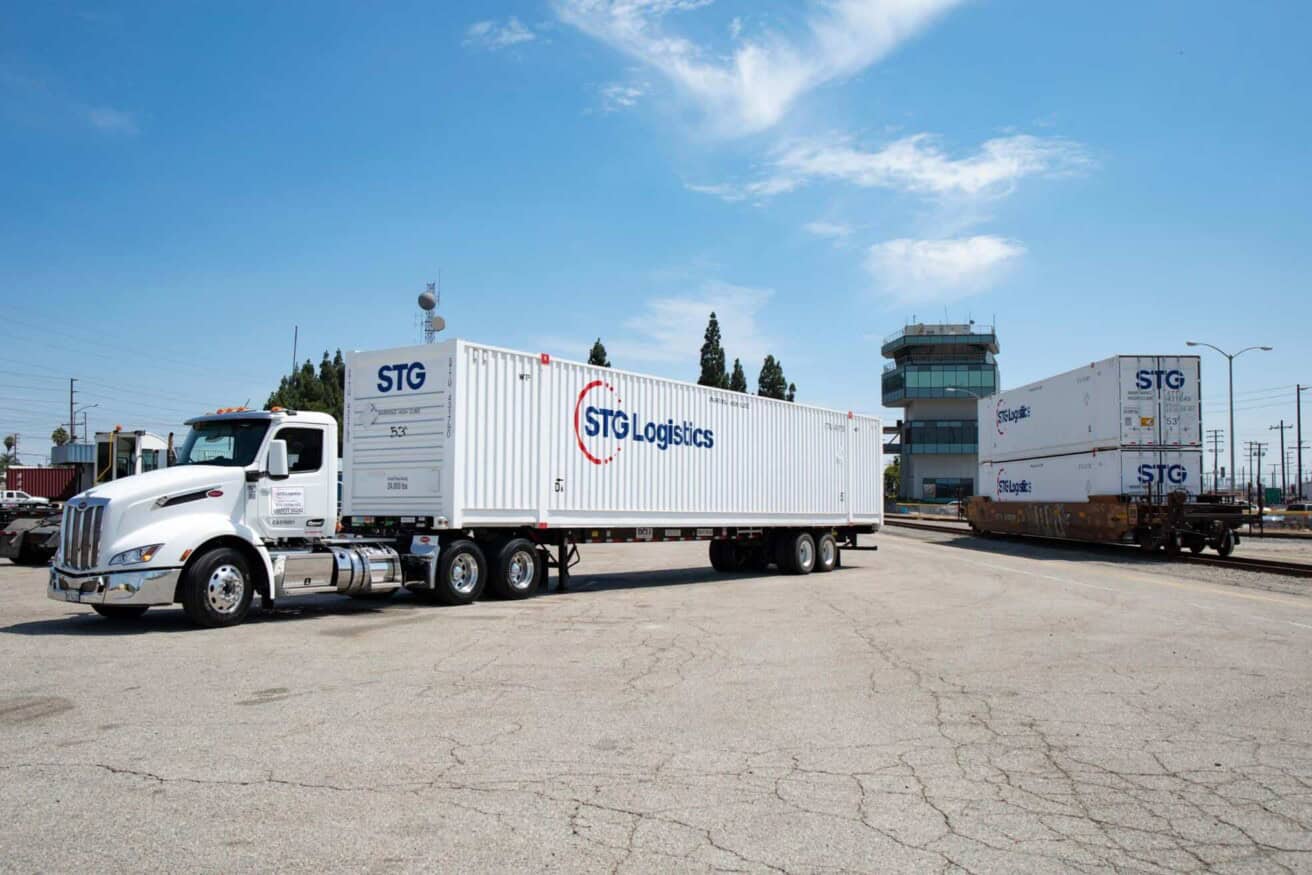
Trucks also handle the first and final stages of many shipments. Even when cargo travels by rail or ocean during part of its journey, trucks typically pick up goods at origin facilities and deliver them to their final destination.
Rail Transportation
Rail systems provide a cost-efficient option for moving large cargo volumes across long distances. Rail networks transport bulk commodities, containers, and palletized goods between major logistics hubs.
Rail shipments frequently connect with trucking through transloading facility operations where goods transfer between railcars and trucks. This allows companies to combine the cost advantages of rail with the flexibility of trucking.
Rail transportation plays an important role in industries that move large volumes of products across long distances, including agriculture, manufacturing, and consumer goods distribution.
Intermodal Transportation
Intermodal transportation combines multiple shipping modes within a single logistics plan. Cargo typically moves in standardized containers that transfer between rail, truck, and ocean transport without unloading the goods.
This system improves efficiency because each transportation mode handles the portion of the journey where it performs best. Rail moves containers long distances, while trucks provide local pickup and delivery.
Intermodal transportation has become increasingly popular because it reduces shipping costs while supporting large-scale distribution networks.
Air Freight
Air freight provides the fastest delivery option for high-value or time-sensitive cargo. Although it is more expensive than other transportation methods, air shipping supports industries that require rapid delivery.
Air shipments usually connect with trucking networks for pickup and final delivery, allowing cargo to move quickly between airports and distribution facilities.
Industries such as electronics, pharmaceuticals, and high-value retail products often rely on air transport to maintain fast delivery timelines.
The Role of Transportation Logistics
Transportation logistics focuses on planning, coordinating, and managing shipments across logistics networks. Logistics providers help companies optimize shipping routes, manage carrier relationships, and ensure products move efficiently through supply chains.
Effective logistics management focuses on several goals:
- Reducing shipping costs through route optimization
- Coordinating multiple carriers and transportation modes
- Maintaining shipment visibility and tracking
- Preventing delays or disruptions in cargo movement
- Improving overall supply chain reliability
Organizations that actively manage logistics performance can consolidate shipments, improve routing strategies, and reduce overall transportation costs.
How Transloading Supports Supply Chain Movement
Many shipments rely on transload logistics to transfer cargo between transportation modes. Transloading allows goods to move between railcars, trucks, containers, and storage facilities depending on shipping requirements.
For example, cargo arriving by rail may transfer to trucks for regional distribution. In other situations, containers arriving at ports may be unloaded and reconfigured for inland transport.
Typical transloading operations include:
- Moving cargo between railcars and trucks
- Sorting and consolidating shipments
- Temporary storage and staging
- Repackaging or palletizing goods
These operations occur at specialized logistics sites known as transloading facilities.
A modern transloading facility includes equipment such as forklifts, cranes, storage areas, and loading docks designed to handle a variety of cargo types. By transferring shipments between transportation modes, transloading helps maintain efficient supply chain movement.
Transload Warehouse Solutions and Distribution
In addition to cargo transfers, many logistics providers offer integrated transload warehouse solutions that combine shipping services with storage and distribution capabilities.
These facilities allow businesses to temporarily store shipments before continuing to their final destination.
Transload warehouse operations commonly support:
- Inventory staging for distribution networks
- Shipment consolidation or deconsolidation
- Order fulfillment and distribution
- Container unloading and cargo sorting
This flexibility allows businesses to respond to changing demand while maintaining efficient supply chain operations.
Choosing a Transportation Strategy
Selecting the right shipping strategy requires balancing several operational considerations. Businesses must evaluate shipment size, delivery timelines, cost factors, and supply chain complexity.
Companies often evaluate the following factors when selecting transportation options:
- Shipment size and freight dimensions
- Required delivery timelines
- Distance between origin and destination
- Infrastructure access such as rail terminals or ports
- Handling requirements for specialized cargo
These considerations help businesses design logistics strategies that balance cost efficiency with service reliability.
Benefits of Efficient Logistics Networks
Well-planned logistics networks allow businesses to move goods quickly while controlling operational costs.
Key benefits include:
- Reliable delivery schedules
- Lower shipping costs through optimized routing
- Flexibility when distributing products across multiple regions
- Better inventory control throughout distribution networks
Efficient logistics operations also support economic activity by enabling manufacturers, distributors, and retailers to connect with markets across the country.
Transportation Challenges
Although logistics networks offer significant advantages, companies must navigate challenges such as capacity constraints, infrastructure limitations, and shifting supply chain demands.
Common challenges include fluctuating fuel costs, port congestion, labor shortages, and unpredictable shipping volumes.
Logistics providers address these challenges by combining transportation modes, leveraging transloading operations, and using tracking technology to monitor shipments throughout the supply chain.
Frequently Asked Questions
What is freight transportation?
Freight transportation refers to the movement of goods and commodities by truck, rail, air, or ocean. Businesses rely on freight transportation to move products between manufacturers, warehouses, and distribution centers.
How does freight transportation work?
Freight transportation works by moving goods through coordinated logistics networks using multiple transportation modes. Carriers, logistics providers, and infrastructure such as ports and rail terminals help ensure shipments move efficiently.
When do companies use freight transportation?
Companies use freight transportation whenever goods must move between facilities, suppliers, or customers. It supports supply chain operations ranging from regional distribution to global trade.
What is the difference between freight and transportation?
Freight refers specifically to goods being shipped, while transportation describes the broader movement of people or goods between locations. Freight transportation focuses on the logistics of moving cargo through supply chains.
How do companies choose the right freight transportation option?
Companies evaluate shipment size, delivery timelines, cost considerations, and destination when selecting a freight transportation method. Logistics providers often help identify the most efficient transportation solutions.
Partner with STG Logistics
Moving products efficiently requires experienced logistics coordination and reliable transportation networks. Businesses need partners who understand complex distribution systems and cargo handling operations.
STG Logistics provides integrated solutions that support supply chains through intermodal transportation, transloading services, and warehouse operations. By coordinating logistics networks and cargo handling activities, STG helps businesses move shipments efficiently while maintaining flexibility across regional and national markets.
To learn how STG Logistics can support your logistics strategy, connect with our team to discuss your shipping requirements and operational goals.