Freight Shippers: The Backbone of Efficient Supply Chains
Freight shippers play a fundamental role in keeping modern supply chains moving. Every time goods leave a factory, warehouse, or distribution center, a shipper is responsible for coordinating how those products travel through transportation networks. From scheduling pickups to selecting carriers and managing documentation, freight shippers ensure cargo moves efficiently from origin to destination.
In practical terms, freight shippers are the businesses that send goods to another location. They may be manufacturers distributing finished products, retailers replenishing store inventory, or importers moving containers from ports to inland warehouses. Regardless of the industry, freight shippers initiate the transportation process and determine how shipments move through trucking, rail, and intermodal networks.
As global trade and domestic commerce continue expanding, the role of freight shippers has become increasingly complex. Supply chains involve multiple transportation modes, strict delivery timelines, and evolving regulatory requirements. Businesses that understand how freight shippers operate can build stronger logistics strategies and maintain reliable product distribution.
The Role of Freight Shippers in Supply Chain Logistics
At the core of any shipment is the organization responsible for sending the goods. That organization functions as the shipper and controls how cargo enters the transportation system. Freight shippers decide how products will be packaged, which transportation method will be used, and which carriers will move the shipment.
These responsibilities make freight shippers one of the most influential participants in the supply chain. Their planning decisions affect transportation costs, transit times, and inventory availability across distribution networks.
Common examples of freight shippers include:
- Manufacturers sending finished goods to regional distribution centers
- Importers transporting cargo from marine terminals to warehouses
- Retailers distributing merchandise to store locations
- Agricultural producers shipping commodities to processing facilities
Each of these organizations must coordinate logistics carefully to ensure products move efficiently through the supply chain.
Freight shippers often work with carriers, third-party logistics providers, and warehouse operators to manage these transportation activities. By collaborating with specialized partners, shippers can improve operational efficiency and maintain reliable delivery performance.
How Freight Shippers Plan and Coordinate Transportation
Transportation planning is one of the most important responsibilities handled by freight shippers. Before a shipment moves, the shipper must evaluate several factors including shipment size, delivery timelines, transportation costs, and available carrier capacity.
Once a transportation strategy is determined, freight shippers coordinate the logistics required to move the shipment through the network. This process often involves communication with multiple partners and careful scheduling to ensure cargo arrives on time.
Key responsibilities typically handled by freight shippers include:
- Selecting transportation providers such as trucking companies or rail carriers
- Determining the most efficient shipping method for each load
- Managing shipping documentation and compliance requirements
- Scheduling pickup times and coordinating delivery appointments
- Monitoring shipments as they move through transportation networks
These responsibilities require strong coordination and supply chain visibility. Freight shippers frequently rely on logistics technology and transportation management systems to track shipments and maintain control over transportation operations.
Transportation Options Available to Freight Shippers
Freight shippers rely on several transportation methods depending on the nature of the shipment and the distance it must travel. Choosing the right transportation option helps companies balance speed, cost, and reliability.
Truckload Transportation
Truckload shipping is used when cargo fills an entire trailer. Because the shipment travels directly from origin to destination, truckload transportation often provides faster delivery times and minimal handling.
Many freight shippers prefer truckload service when shipping large quantities of goods or time-sensitive products. Direct transportation routes help reduce transit time and lower the risk of cargo damage.
Less-Than-Truckload Shipping
Less-than-truckload shipping allows multiple businesses to share trailer space within a single shipment. This option is commonly used when cargo volumes are smaller and do not require an entire truck.
For many freight shippers, this shipping method offers a cost-effective way to transport smaller shipments while still maintaining dependable delivery schedules.
Intermodal Transportation
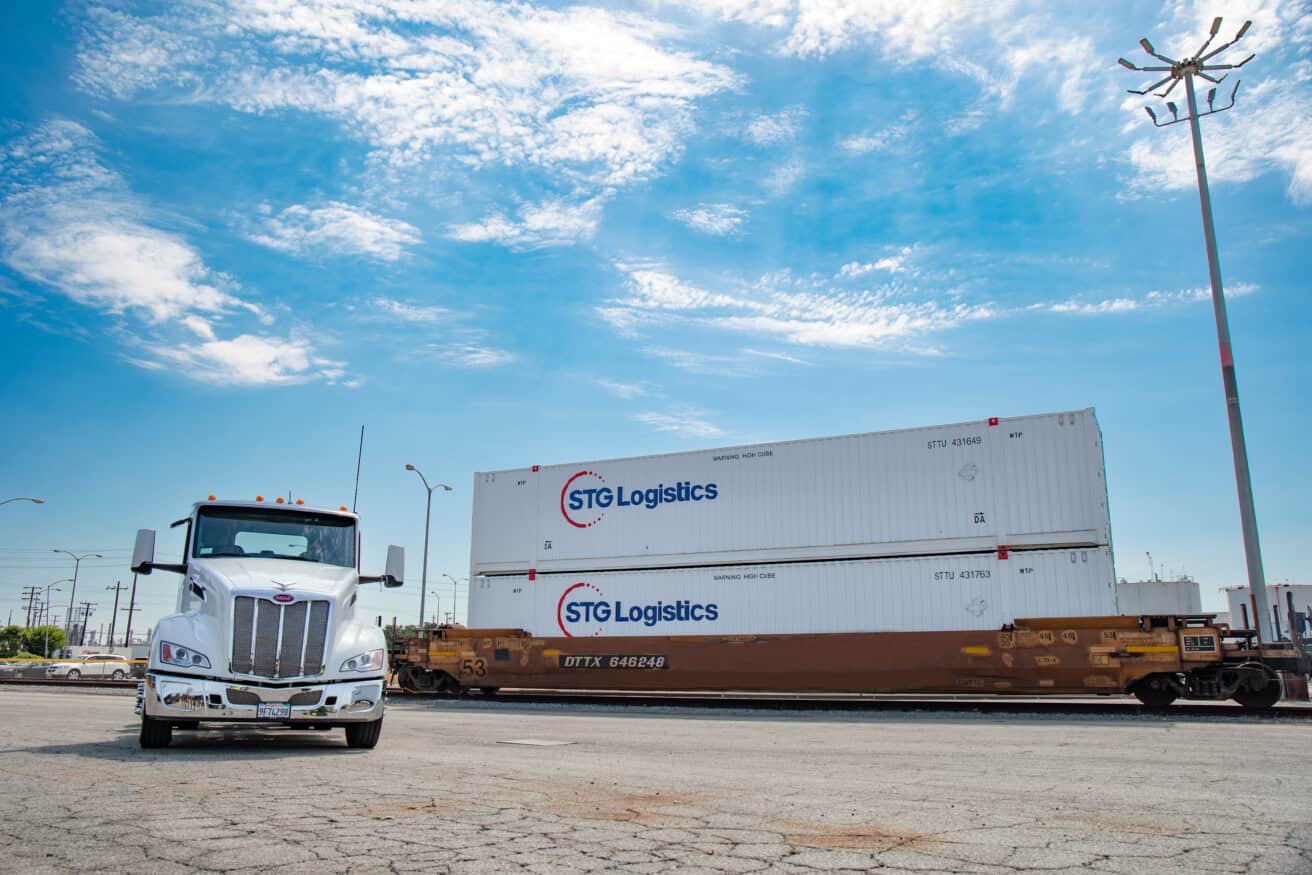
Intermodal transportation combines multiple shipping modes such as rail and trucking. In an intermodal shipment, cargo remains inside the same container while moving between transportation networks.
This approach allows freight shippers to take advantage of rail efficiency for long distances while still relying on trucks for local pickup and final delivery.
Intermodal transportation has become increasingly popular as companies seek to reduce shipping costs and improve fuel efficiency across long transportation routes.
Logistics Infrastructure That Supports Freight Shippers
Behind every successful shipment is a network of logistics facilities that support cargo movement. Distribution centers, container freight stations, and transloading facilities provide locations where shipments can be transferred, stored, or prepared for delivery.
These facilities allow freight shippers to maintain flexibility when moving goods through complex transportation networks. Many shipments require temporary storage, cargo consolidation, or transfers between transportation modes.
Common services provided by logistics facilities include:
- Container loading and unloading
- Cargo consolidation and deconsolidation
- Short-term warehousing and storage
- Freight inspection and sorting
- Coordination of rail and truck transfers
Transloading operations are particularly important when shipments move between rail and trucking networks. By transferring cargo between containers or trailers, freight shippers can maintain efficient transportation routes and optimize delivery schedules.
Benefits of Working With Logistics Partners
Many freight shippers collaborate with logistics providers that specialize in managing transportation networks. These partnerships provide access to infrastructure, transportation capacity, and industry expertise that help improve supply chain performance.
Working with experienced logistics partners can provide several advantages:
- Expanded transportation capacity across multiple carrier networks
- Improved shipment visibility through tracking systems
- Access to distribution facilities and logistics infrastructure
- Support with regulatory compliance and shipping documentation
For many businesses, these partnerships allow freight shippers to focus on their core operations while experienced logistics providers manage transportation coordination.
This collaborative approach helps companies maintain reliable freight movement even when shipping volumes increase or supply chain disruptions occur.
Challenges Freight Shippers Must Navigate
While transportation networks continue improving, freight shippers still face several operational challenges. Market fluctuations, infrastructure limitations, and external disruptions can all affect shipping performance.
Capacity shortages in trucking and rail transportation may create delays during peak demand periods. Fuel price volatility can also impact shipping costs and influence transportation planning decisions.
In addition, global trade disruptions and port congestion sometimes create bottlenecks that affect delivery timelines. Freight shippers must remain flexible and adapt their transportation strategies when these challenges arise.
To manage these risks, many companies diversify transportation options and maintain relationships with multiple logistics providers. This approach helps ensure cargo continues moving even when unexpected disruptions occur.
The Future of Freight Shippers in a Changing Logistics Industry
The logistics industry is evolving rapidly as technology reshapes supply chain operations. Freight shippers are increasingly adopting digital tools that provide real-time visibility into transportation networks.
Transportation management systems allow companies to analyze shipping data, optimize routes, and monitor shipments throughout the transportation process. These tools help freight shippers make faster decisions and respond quickly when disruptions occur.
Automation and data analytics are also improving supply chain efficiency by allowing businesses to predict shipping demand and adjust logistics strategies accordingly.
As these technologies continue advancing, freight shippers will play an even more important role in coordinating global transportation networks and maintaining efficient product distribution.
Frequently Asked Questions
What is a freight shipper?
A freight shipper is the organization responsible for sending goods from one location to another. The shipper coordinates transportation and works with carriers or logistics providers to move cargo through the supply chain.
How do freight shippers arrange transportation?
Freight shippers arrange transportation by selecting carriers, scheduling pickups, and coordinating delivery schedules. They evaluate transportation options to determine the most efficient shipping method for each shipment.
When does a company act as a freight shipper?
A company acts as a freight shipper whenever it sends goods to another location. Manufacturers, retailers, importers, and distributors all function as shippers when coordinating product shipments.
What is the difference between a shipper and a carrier?
A shipper is the organization responsible for arranging transportation, while a carrier is the company that physically moves the cargo using trucks, trains, or other transportation equipment.
How do freight shippers choose logistics providers?
Freight shippers typically evaluate logistics providers based on reliability, transportation network coverage, pricing, and service capabilities. Many companies choose providers with strong infrastructure and experience managing complex logistics operations.
Partner with STG Logistics
Reliable transportation networks depend on strong partnerships between shippers and logistics providers. STG Logistics supports freight shippers with integrated logistics solutions that connect rail, trucking, and distribution networks.
With extensive experience in intermodal transportation, container freight station operations, warehousing, and transloading services, STG Logistics helps businesses move cargo efficiently across complex supply chains. Organizations looking to strengthen their logistics strategy can contact STG Logistics to improve transportation reliability and supply chain performance.