Intermodal Services: Connecting Rail, Road, and Efficiency Across the Supply Chain
Introduction
Intermodal services form the backbone of modern freight logistics by linking multiple modes of transportation—rail, truck, and sometimes ocean—within a single, coordinated supply chain. This system allows freight to move efficiently from origin to destination with reduced handling, lower costs, and improved sustainability.
With deep expertise in multimodal logistics, STG Logistics delivers fully integrated intermodal services that combine drayage, transloading, warehousing, and distribution into one seamless network. This approach ensures reliability, visibility, and cost control for shippers across North America.
What Are Intermodal Services?
Intermodal services refer to the coordination of multiple transportation modes using standardized containers that can transfer between railcars, trucks, and vessels without unloading the cargo itself. This method optimizes the strengths of each mode—rail for long-haul efficiency and trucking for local flexibility.
The Role of Containers in Intermodal Operations
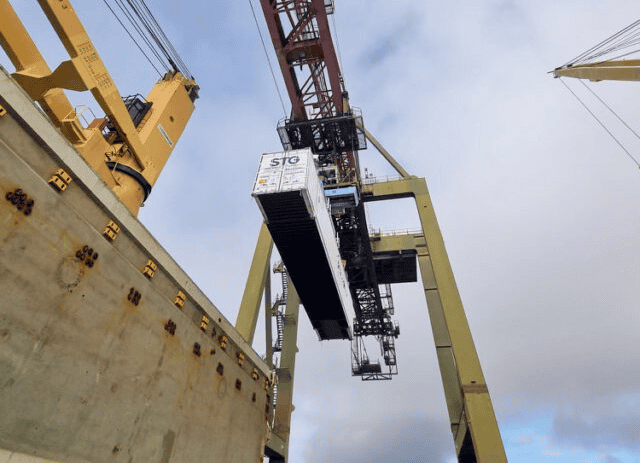
Standardized containers enable the entire intermodal system to function efficiently. These containers, typically 20 or 40 feet in length, are designed for compatibility across ships, trains, and chassis, allowing easy interchange and reducing cargo handling risks.
How Intermodal Services Work
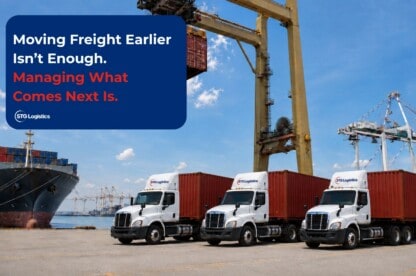
A typical intermodal journey begins when freight is loaded into a container at the origin facility. A drayage carrier transports it to a rail terminal, where it is loaded onto a train for long-haul transit. At the destination terminal, another drayage carrier delivers the container to a distribution center, warehouse, or final customer. Throughout this process, the cargo remains sealed inside the same container.
The Value of Intermodal Services in Freight Logistics
Intermodal services offer measurable benefits in cost, reliability, sustainability, and scalability, making them a preferred choice for shippers across multiple industries.
Cost Efficiency and Predictable Pricing
Using rail for the long-haul segment reduces per-mile costs compared to over-the-road trucking. Shippers benefit from fuel savings, stable pricing structures, and access to rail capacity during times of tight truck supply.
Network Reliability and Reach
Intermodal networks connect major markets, ports, and inland terminals, providing consistent service across vast geographies. By partnering with intermodal companies, shippers gain access to an established infrastructure supported by Class I railroads and regional drayage networks.
Sustainability Advantages
Rail transport consumes less fuel and produces fewer emissions than long-haul trucking. STG Logistics helps businesses reduce their carbon footprint by leveraging intermodal solutions that align with environmental and ESG goals.
Core Components of Intermodal Services
Delivering effective intermodal services requires the seamless coordination of several key components.
Rail Transportation
Rail is the central mode in intermodal shipping, offering cost-effective, long-distance freight movement. With the ability to carry large volumes efficiently, rail transport provides the foundation for capacity planning and sustainability.
Drayage Operations
Intermodal and drayage carriers manage the short-haul trucking between ports, rail terminals, and warehouses. They play a critical role in maintaining network flow, ensuring containers are picked up and delivered on time. STG Logistics operates a nationwide drayage network that connects seamlessly with its intermodal and transloading services.
Terminals and Ramps
Rail terminals function as transfer points where containers are loaded or unloaded between trucks and trains. Advanced scheduling and lift technologies minimize congestion and keep equipment in motion.
Technology and Visibility Platforms
Modern intermodal services rely on integrated digital systems for real-time visibility. Shippers can track containers, monitor transit progress, and manage exceptions through centralized dashboards.
Intermodal Services vs. Traditional Trucking
While trucking remains an essential part of domestic logistics, intermodal services offer distinct advantages for certain types of freight.
Reduced Long-Haul Costs
For shipments traveling more than 700 miles, rail-based intermodal transport can reduce transportation costs significantly. The combination of rail efficiency and local drayage flexibility creates a cost-balanced solution for high-volume moves.
Improved Asset Utilization
Intermodal systems make better use of available equipment, reducing the strain on long-haul drivers and minimizing empty miles. This model helps carriers maintain balanced fleets and lowers overall network congestion.
Reliability During Capacity Constraints
During times of high truckload demand or driver shortages, intermodal services provide a consistent alternative with scheduled rail departures and predictable transit times.
Integration with Drayage and Transloading
Intermodal services often work hand-in-hand with drayage and transloading operations to ensure flexibility and control across every stage of freight movement.
The Drayage Connection
Drayage carriers bridge the critical first and last miles of intermodal transportation. They ensure containers are efficiently transferred between terminals, ports, and final destinations.
The Role of Transloading
When freight requires repackaging or redistribution, transloading facilities provide the flexibility to shift goods from one mode or container type to another. This is especially valuable for shippers importing through coastal ports and distributing products inland.
STG Logistics integrates intermodal, drayage, and transloading into a unified network that minimizes delays and reduces handling costs.
Industries That Benefit from Intermodal Services
Intermodal solutions are used across a wide range of industries that require high-volume, consistent freight movement.
Consumer Goods and Retail
Large retailers use intermodal shipping to balance speed and cost when replenishing distribution centers nationwide. The consistency of rail schedules supports steady inventory flow.
Manufacturing and Automotive
Manufacturers rely on intermodal transportation to move parts and finished goods between production plants and assembly facilities efficiently. The reduced variability helps maintain just-in-time inventory systems.
Food and Beverage
Intermodal container shipping is ideal for non-perishable food products and beverages. Rail’s temperature stability and lower vibration rates protect cargo quality over long distances.
Technology in Intermodal Service Delivery
Technology plays a critical role in managing intermodal networks and ensuring reliable performance.
Digital Tracking and Visibility
Intermodal providers use GPS and EDI integrations to deliver shipment visibility from pickup to delivery. Shippers can monitor status updates, dwell times, and estimated arrivals through a unified interface.
Data-Driven Optimization
Analytics tools help identify bottlenecks, predict delays, and optimize load planning. STG Logistics applies advanced data modeling to streamline container flow, improve service reliability, and maintain cost efficiency.
Sustainability and Carbon Tracking
Technology enables shippers to measure environmental impact across their transportation network, helping them meet corporate sustainability objectives.
Advantages of Partnering with an Experienced Intermodal Provider
Selecting a provider with proven intermodal expertise ensures better coordination, efficiency, and accountability throughout the supply chain.
Network Scale and Infrastructure
Leading intermodal companies offer nationwide access to rail ramps, ports, and warehousing facilities. Their integrated infrastructure allows them to balance capacity and respond to changing market demands.
End-to-End Coordination
By working with a single logistics partner, shippers eliminate communication gaps between rail carriers, drayage operators, and warehouse teams. This integrated approach reduces errors and improves operational visibility.
Service Flexibility
Intermodal services can be scaled based on shipment volume and seasonal changes. Providers can adjust routes, modes, or schedules without disrupting overall network performance.
STG Logistics provides a single point of contact across intermodal, drayage, and transloading operations, simplifying management for shippers nationwide.
How Intermodal Services Support Sustainable Logistics
Sustainability is one of the strongest drivers behind the growth of intermodal transportation.
Reduced Carbon Emissions
Trains emit fewer greenhouse gases per ton-mile compared to trucks. Shifting long-haul freight to rail can reduce emissions by up to 65 percent, helping companies meet their environmental goals.
Fuel Conservation
Rail transport can move a ton of freight more than 400 miles on a single gallon of fuel. By combining this efficiency with short-haul drayage, intermodal systems minimize overall fuel consumption.
Corporate Responsibility and ESG Alignment
Intermodal services help companies demonstrate measurable progress toward their sustainability commitments. STG Logistics partners with shippers to document and report these achievements as part of broader ESG reporting.
Frequently Asked Questions
What are intermodal services?
They involve using multiple modes of transport—typically rail and truck—to move containers efficiently across long distances.
How do intermodal services reduce costs?
By leveraging rail for the long-haul segment, intermodal shipping cuts fuel costs and stabilizes pricing compared to full-truckload transport.
What role does drayage play in intermodal operations?
Drayage carriers handle short-haul movements between terminals, ports, and warehouses, connecting each stage of the journey.
Can intermodal services handle time-sensitive freight?
Yes. Modern intermodal networks operate on fixed schedules, providing predictable transit times suitable for most non-perishable goods.
How does technology improve intermodal performance?
Real-time tracking, EDI integration, and predictive analytics allow shippers to monitor shipments and manage performance proactively.
Partner with STG Logistics
Intermodal services are transforming how freight moves across North America by combining the efficiency of rail with the flexibility of trucking. STG Logistics integrates intermodal, drayage, and transloading solutions to help businesses improve visibility, reduce costs, and achieve sustainable growth.
Contact STG Logistics today to learn how customized intermodal services can strengthen your supply chain and deliver measurable performance advantages across every mode.