Navigating Tariff Uncertainty: Why Strategic Logistics Partnerships Matter
The global trade environment has always been shaped by politics and policy, but the tariff landscape of 2025 has ushered in an unprecedented era of disruption. With reciprocal tariffs now in full effect, the suspension of long-standing duty-free thresholds, and new penalties for transshipment, organizations across industries are confronting a reality where the cost of moving goods is no longer predictable.
For retailers, that volatility translates to higher import costs, tighter margins, and the need to critically examine sourcing strategies. For shippers, it means contending with volume surges, sudden shifts to airfreight, and the rising complexity of customs compliance. And for consumers, these changes will eventually ripple downstream in the form of higher prices – they could even alter buying habits. The story is not simply about tariffs; it’s about the need for modern supply chains to be as adaptable as possible.
In moments like these, the organizations that stand apart are the ones that recognize logistics not as a cost center, but as a strategic lever. The ability to adapt sourcing, anticipate regulatory shifts, and optimize freight decisions can spell the difference between disruption and resilience. Logistics partners who bring deep expertise, data-driven foresight, and operational flexibility are essential.
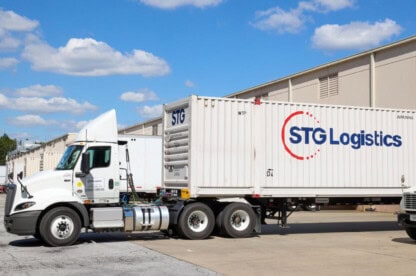
At STG Logistics, we believe the role of a logistics provider in today’s environment extends far beyond moving freight from point A to point B. It is about helping organizations embrace complexity, identify opportunities, and build supply chains that can withstand policy swings and economic headwinds. That requires marrying compliance expertise with scenario planning, combining scale with agility, and – most importantly – maintaining a commitment to keeping goods in motion no matter the climate.
Tariff policy will continue to evolve. What matters most is whether organizations are prepared to evolve with them. Those that treat logistics as a strategic advantage, not just a transactional function, will be best positioned to navigate uncertainty and find growth in unexpected places.
The question is no longer if tariffs will change, but when and how—and whether your supply chain is ready when they do.