Transloading Services: How Strategic Freight Transfers Improve Logistics
Transloading services play a critical role in modern transportation logistics by allowing freight to move efficiently through increasingly complex supply chains. As shipping networks grow more fragmented and capacity constraints continue to affect transportation markets, transloading services give transportation company leaders greater flexibility in how freight moves between long-distance transportation and regional distribution.
Rather than forcing shipments to travel from origin to destination using a single continuous method, transloading services introduce planned transfer points where freight can be unloaded, staged, and reloaded. When executed correctly, these transfer points improve routing flexibility, support cost control, and reduce reliance on constrained transportation lanes.
This article explains what transloading is, how transloading services work, the role of transloading facilities and warehouse support, and how these services integrate with intermodal transportation, LTL trucking, container transloading services, and cold chain services within modern logistics networks.
Understanding Transloading and Its Role in Freight Movement
A common question among shippers evaluating flexible logistics strategies is what transloading is. Transloading refers to the physical process of transferring freight from one transportation stage to another during its journey. This process allows shipments to move in optimized segments rather than remaining locked into a single transportation method from start to finish.
Transloading services are often used when direct transportation is inefficient, impractical, or overly restrictive. By separating long-haul movement from regional delivery, transportation logistics teams gain greater control over routing, scheduling, and capacity allocation.
These services are especially valuable for long-distance freight, high-volume shipments, and supply chains that serve multiple regional markets. In these environments, flexibility and optionality are essential to maintaining consistent service levels.
How Transloading Services Fit Into Transportation Logistics
Transportation logistics focuses on planning and coordinating freight movement across distance, time, and capacity constraints. Transloading services support this planning by introducing flexibility at strategic points within the transportation network.
Instead of relying on a single carrier or equipment type for the entire journey, transportation logistics teams can use transloading to match each segment of freight movement to the most appropriate transportation method. This approach helps organizations respond to congestion, equipment shortages, labor disruptions, and seasonal demand shifts without disrupting overall freight flow.
Effective transload logistics requires careful coordination between inbound transportation, facility operations, and outbound delivery. When these elements are aligned, transloading services strengthen transportation logistics performance rather than complicating it.
The Function of Transloading Facilities
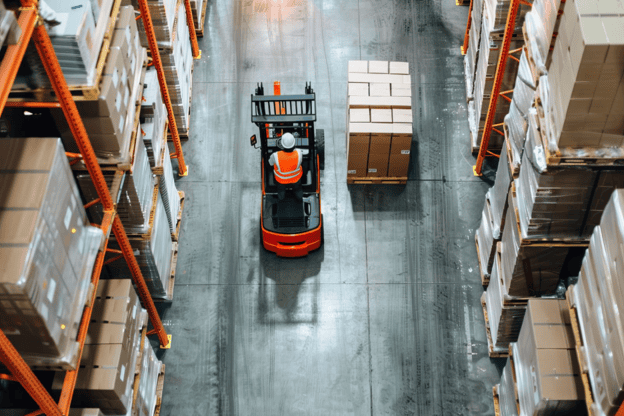
A transloading facility is the physical location where transloading services are performed. These facilities are equipped with loading docks, material handling equipment, and trained personnel who manage freight transfers safely and efficiently.
Facility design and location are critical factors in transloading performance. Well-positioned facilities reduce unnecessary travel, improve access to trucking capacity, and support smooth integration with intermodal transportation networks.
Many transloading facilities are designed to handle a wide range of freight types and volumes, allowing transportation company teams to scale operations as demand changes without reconfiguring their entire logistics strategy.
Transload Warehouse Solutions and Staging Capabilities
Transload warehouse solutions extend basic transloading functionality by providing short-term staging, inventory positioning, and coordination with outbound transportation. These solutions are especially useful when freight must be consolidated, deconsolidated, or sequenced before final delivery.
Warehouse support allows transportation logistics teams to align freight movement with demand patterns rather than rigid transportation schedules. This flexibility improves service reliability while reducing congestion and dwell time at downstream facilities.
Transload warehouse solutions frequently support container consolidation services and container deconsolidation, particularly in distribution networks serving multiple regions or customers with varying delivery requirements.
Container Transloading Services in Distribution Networks
Container transloading services are widely used to support inland distribution of containerized freight. By transferring goods from containers into domestic transportation equipment, logistics networks can improve trailer utilization and speed delivery into regional markets.
Container consolidation services combine multiple shipments into a single outbound movement, while container deconsolidation breaks larger shipments into smaller deliveries. Both processes are commonly supported through transloading facilities and warehouse operations.
Freight shipping companies rely on container transloading services to manage diverse shipment sizes, reduce congestion at ports and terminals, and improve overall distribution efficiency.
Rail to Truck Transloading Services
Rail to truck transloading services allow freight to move long distances by rail before transferring to trucks for regional or final delivery. This approach combines the efficiency of rail transportation with the flexibility of trucking.
These services are commonly used for high-volume freight and long-distance shipping lanes. Successful execution requires close coordination between rail schedules, transloading facilities, and trucking capacity to avoid congestion or service disruptions.
By integrating rail to truck transloading services into transportation logistics strategies, organizations can reduce overall transportation costs while maintaining consistent delivery performance.
The Role of Trucking in Transloading Services
Trucking plays a central role in transloading services by supporting both inbound and outbound freight movement. LTL trucking and full truckload services are often used to connect transloading facilities with regional distribution points.
Trucking and logistics companies coordinate pickup and delivery schedules to minimize dwell time and ensure freight moves smoothly through transfer points. Reliable trucking capacity is essential to maintaining the efficiency of transloading operations.
LTL trucking is particularly useful when shipments are broken down into smaller loads for regional delivery, allowing freight shipping companies to align shipment size with customer demand.
Intermodal Transportation and Transloading Integration
Intermodal transportation involves using multiple transportation methods within a single freight journey. Transloading services often support intermodal transportation by enabling smooth transitions between stages.
Intermodal services rely on coordination between intermodal companies, intermodal and drayage carrier partners, and transloading facilities. This coordination ensures freight moves efficiently across different transportation environments.
Intermodal container shipping and intermodal freight strategies benefit from transloading by improving flexibility at key transfer points and increasing overall network resilience.
Managing Risk in Transloading Operations
Like any logistics strategy, transloading services introduce operational risks that must be managed carefully.
Additional handling increases the risk of cargo damage if procedures are not followed properly. Standard operating procedures, trained personnel, and appropriate material handling equipment help mitigate this risk.
Scheduling misalignment between inbound and outbound transportation can lead to congestion or delays. Transportation logistics teams address this risk through appointment scheduling, communication, and contingency planning.
Documentation accuracy is also critical. Errors during transloading can create billing disputes, compliance issues, or delivery delays even when physical freight movement is successful.
Cold Chain Services and Specialized Freight Handling
Some transloading services support cold chain services for temperature-sensitive freight. These operations require controlled environments, precise timing, and strict handling procedures to maintain product integrity.
Cold chain services may be integrated with transloading facilities and warehouse operations when freight must move through transfer points. Proper coordination ensures temperature control is maintained throughout the process.
These capabilities are especially important for food, healthcare, and other industries with strict handling and regulatory requirements.
When Transloading Services Make the Most Sense
Transloading services are most effective for long-distance freight, high-volume shipments, and transportation logistics networks that serve multiple regional markets.
They are commonly used by transportation company teams seeking greater flexibility in routing and capacity management. For shorter distances or low-volume freight, direct transportation may remain the more efficient option.
Understanding when transloading adds value is key to successful implementation.
The Strategic Value of Transloading Services
Beyond cost savings, transloading services provide strategic value by increasing supply chain resilience. They allow organizations to adapt quickly to disruptions, adjust routing strategies, and manage capacity constraints without redesigning entire networks.
As transportation markets continue to evolve, transloading services remain an important tool for managing complexity and maintaining service reliability across logistics operations.
Frequently Asked Questions
What are transloading services?
Transloading services involve transferring freight between transportation stages to improve flexibility and efficiency.
What is a transloading facility?
A transloading facility is a location where freight is unloaded and reloaded as part of the transloading process.
How do transloading services support transportation logistics?
They create flexibility, improve routing options, and help manage capacity across logistics networks.
Can transloading services support intermodal transportation?
Yes. Transloading services often support intermodal transportation and intermodal services by enabling efficient freight transfers.
Do transloading services work with cold chain services?
When properly designed, transloading services can support cold chain services while maintaining required handling controls.
Partner with STG Logistics
Effective transloading services require experience, coordination, and disciplined execution across transportation logistics networks. STG Logistics provides transloading services, transload warehouse solutions, intermodal support, and specialized freight handling designed to support efficient supply chains.
If you are evaluating flexible freight strategies or managing complex logistics networks, contact STG Logistics to discuss how our transloading capabilities can support your transportation and distribution goals.