LTL shipping plays a critical role in modern supply chains by allowing businesses to move freight that does not require a full truckload. As distribution networks become more complex and shipment sizes more variable, many organizations need cost-effective ways to move smaller quantities of freight without sacrificing reliability or visibility. LTL, short for less than truckload, addresses this need by consolidating shipments from multiple shippers into shared truck routes that move efficiently across regional and national networks.
Manufacturers, distributors, retailers, and e commerce companies rely on LTL shipping to support replenishment, regional distribution, and customer fulfillment. When paired with other freight strategies such as intermodal transportation, container transloading services, and warehouse-based distribution, LTL provides flexibility that full truckload shipping alone cannot offer. Understanding how LTL works and when it makes sense is essential for designing a resilient logistics strategy.
What LTL Means in Freight Transportation
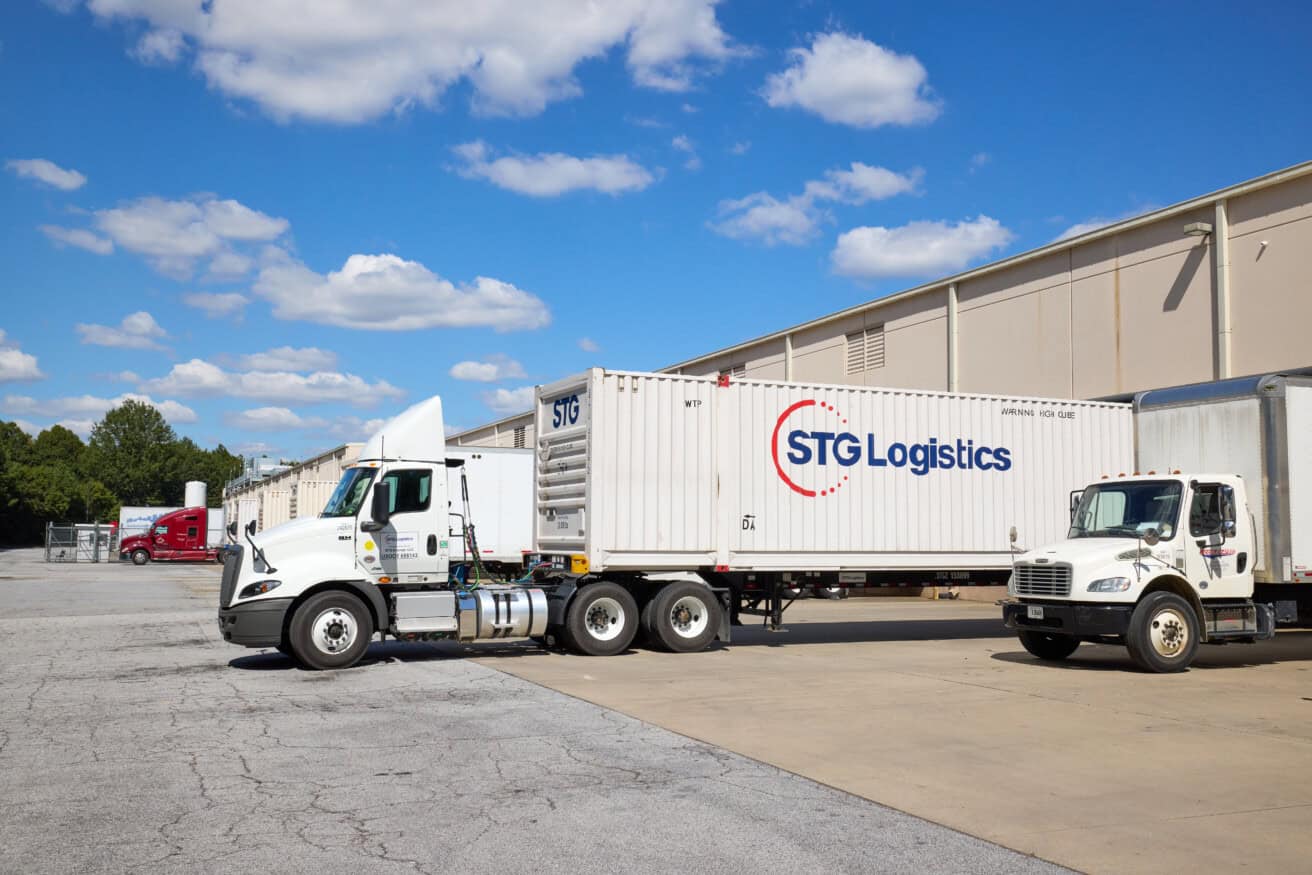
LTL refers to shipments that occupy only part of a truck trailer. Rather than dedicating an entire trailer to a single shipment, LTL trucking combines freight from multiple shippers into one load. Each shipment shares trailer space, transportation cost, and network capacity while maintaining its own bill of lading and delivery destination.
LTL shipments are typically palletized or crated and range from a few hundred pounds to several thousand pounds. Because LTL freight moves through shared networks, carriers rely on terminals, hubs, and consolidation points to route shipments efficiently between origins and destinations.
How LTL Trucking Works Across Carrier Networks
The LTL process begins with pickup at the shipper’s facility. Freight is prepared according to carrier requirements, labeled, and loaded onto a local pickup vehicle. From there, shipments are transported to an origin terminal where they are unloaded and staged for linehaul movement.
At the terminal, shipments are sorted by destination region. Freight moving in the same general direction is consolidated into outbound trailers. This terminal-based consolidation is a defining feature of LTL trucking and allows carriers to move freight efficiently without requiring full truckload volumes from each shipper.
Once consolidated, outbound trailers move through the carrier’s linehaul network. Linehaul routes connect terminals across regions and states, often following fixed schedules. Because LTL networks rely on multiple terminals, shipments may move through several facilities before reaching their destination region.
At the destination terminal, freight is unloaded, sorted again, and routed to local delivery vehicles. Final-mile delivery completes the shipment to the consignee. Appointment scheduling, accessorial coordination, and communication with receivers are important factors in maintaining service performance.
LTL Shipping Compared to Other Freight Options
LTL shipping serves a different purpose than full truckload, intermodal, or containerized freight. Full truckload is best suited for high-volume shipments that fill an entire trailer and move directly from origin to destination.
Intermodal transportation is often used for long-distance lanes where rail provides cost advantages. Container-based strategies are common for international or large-scale domestic moves. LTL fills the gap between parcel shipping and full truckload by supporting shipments that are too large for parcel carriers but too small to justify a dedicated trailer.
When LTL Shipping Makes Sense
LTL is commonly used to support regional replenishment when shipments move regularly but do not fill a full trailer. It enables flexible distribution for businesses serving multiple locations with varying demand.
It is also well suited for outbound customer shipments where order sizes fluctuate, inbound supplier shipments feeding distribution centers, and cross dock workflows where freight must move quickly without long-term storage.
LTL Trucking and Cost Structure
LTL pricing is influenced by shipment weight, dimensions, freight class, distance, and accessorial services. Freight class is determined by density, handling requirements, liability, and stowability. Higher-density freight typically results in lower cost per pound.
Accessorial charges may apply for services such as liftgate delivery, residential delivery, inside delivery, or appointment scheduling. Understanding these cost drivers helps shippers plan and budget more accurately.
Because LTL shipments share trailer space, cost is distributed across multiple shippers. This makes LTL more cost-effective than truckload for smaller shipments, though per-unit cost may be higher than full truckload for larger volumes.
LTL and Distribution Center Operations
LTL plays an important role in distribution center workflows. Inbound LTL shipments allow suppliers to send smaller quantities more frequently, reducing inventory holding costs.
Outbound LTL supports customer orders that do not justify full truckload shipments. Distribution centers often use LTL for cross dock operations, regional fulfillment, and store replenishment.
When combined with transload warehouse solutions or container deconsolidation, LTL enables freight to move efficiently from inbound containers into outbound delivery networks.
LTL Shipping and Transloading
LTL frequently intersects with transloading operations. Freight arriving in containers may be deconsolidated at a facility and then shipped outbound via LTL to multiple destinations.
This approach allows shippers to use containerized freight for long-haul movement and LTL for regional distribution. Rail to truck transloading services may also feed LTL networks when freight transitions from intermodal transportation into local delivery.
Service Considerations in LTL Trucking
Because LTL shipments move through shared networks, service reliability depends on terminal operations, network density, and carrier communication. Transit times may be longer than full truckload due to multiple handling points.
Proper packaging is essential in LTL shipping. Pallet integrity, secure wrapping, and clear labeling reduce damage risk as freight moves alongside other shipments.
Technology and Visibility in LTL Networks
Modern LTL carriers rely on technology to manage routing, tracking, and communication. Transportation management systems, barcode scanning, and terminal visibility tools allow shippers to track shipments as they move through the network.
Visibility is especially important in LTL because shipments pass through multiple terminals. Accurate tracking supports customer communication, exception management, and delivery planning.
Selecting an LTL Provider
Choosing the right LTL provider involves evaluating network coverage, terminal density, service reliability, pricing transparency, and customer support.
Many organizations work with multiple LTL carriers to balance cost and coverage. Transportation partners that integrate LTL with other services, such as truckload, intermodal, and transloading, often provide stronger end-to-end solutions.
Common Challenges in LTL Shipping
LTL shipping presents unique challenges. Freight class disputes can impact billing, accessorial charges may increase cost if not planned properly, and terminal congestion or weather events can affect transit times.
These challenges can be managed through accurate shipment data, clear communication with carriers, and strong transportation planning.
Frequently Asked Questions
What does LTL stand for in shipping?
LTL stands for less than truckload, which refers to shipments that do not require a full trailer and move through shared carrier networks.
How is LTL different from full truckload shipping?
LTL combines shipments from multiple shippers into one trailer, while full truckload dedicates the entire trailer to a single shipment.
What types of freight move best with LTL trucking?
Palletized goods, boxed freight, and shipments too large for parcel carriers but too small for full truckload are ideal for LTL.
How long does LTL shipping take?
Transit times vary based on distance and network routing, and may be longer than full truckload due to multiple terminal stops.
Is LTL shipping cost-effective?
LTL is cost-effective for smaller shipments because shippers pay only for the space they use rather than an entire trailer.
Partner With STG Logistics
LTL shipping provides the flexibility businesses need to move freight efficiently without committing to full truckload capacity. Organizations that need help optimizing LTL strategies, coordinating outbound distribution, or integrating LTL trucking with broader transportation and transloading workflows can contact STG Logistics to discuss shipping requirements, cost considerations, and network design. By partnering with an experienced logistics provider, shippers gain access to coordinated solutions that support reliable service, improved visibility, and scalable freight performance.