Transport Freight Services: How Goods Move Efficiently Through Modern Supply Chains

Transport freight services play a critical role in how goods move across supply chains, connecting manufacturers, warehouses, distribution centers, and final destinations. Businesses rely on transport freight services to ensure products are delivered on time, costs are controlled, and operations remain efficient. Whether shipments travel by truck, rail, air, or a combination of modes, these services provide the structure that supports reliable cargo movement.
At a basic level, transport freight services refer to the coordinated movement of goods using different transportation methods and logistics systems. These services are essential for companies that need to move products across regional, national, or global markets. By selecting the right transportation strategy, businesses can improve delivery performance, reduce delays, and maintain consistent inventory levels.
As supply chains grow more complex, transport freight services have evolved to include advanced logistics planning, technology integration, and multimodal transportation strategies. Understanding how these services work helps organizations make informed decisions about how to move freight efficiently.
What Transport Freight Services Include
Transport freight services encompass a wide range of activities that support the movement of goods from origin to destination. These services are not limited to simply moving cargo. They also include planning, coordination, routing, and execution across multiple transportation networks.
At the core of transport freight services is the ability to connect different parts of the supply chain. This includes coordinating shipments between manufacturers, ports, rail terminals, warehouses, and distribution centers. Each step requires careful planning to ensure cargo moves without disruption.
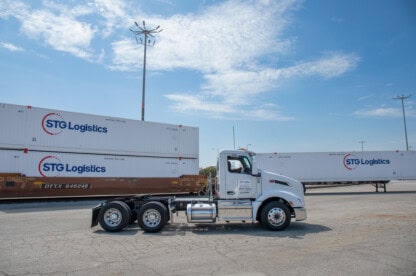
These services typically involve multiple transportation modes working together. Trucks handle local pickup and final delivery, rail systems move large volumes over long distances, and air freight supports time-sensitive shipments. Intermodal transportation allows these modes to connect seamlessly, improving efficiency across long shipping routes.
By integrating these systems, transport freight services enable businesses to move goods reliably while adapting to changing demand and supply chain conditions.
Types of Transport Freight Services
Businesses have access to several types of transport freight services depending on shipment size, urgency, and delivery requirements. Selecting the right type of service is essential for balancing cost, speed, and reliability.
Truck transportation remains the most widely used option. It provides flexibility for both short-distance and long-distance shipping and connects facilities that may not have direct access to rail or ports.
Less-than-truckload shipping allows multiple shipments to share trailer space, making it a cost-effective option for smaller freight volumes. Full truckload shipping is used when cargo fills an entire trailer and requires direct delivery.
Rail transportation offers an efficient way to move large volumes of freight over long distances. It is commonly used for bulk materials and containerized cargo moving between major logistics hubs.
Intermodal transportation combines multiple shipping modes into a single logistics strategy. This approach allows businesses to take advantage of rail efficiency while still using trucks for pickup and final delivery.
Air freight provides the fastest delivery option for high-value or time-sensitive goods. Although it is more expensive, it supports industries that require rapid shipping.
By understanding these options, companies can choose transport freight services that align with their operational needs.
How Businesses Choose Transport Freight Services
Selecting the right transportation strategy requires evaluating several key factors. Businesses must consider shipment size, delivery timelines, cost constraints, and the availability of transportation infrastructure.
One of the most important considerations is how quickly goods need to be delivered. Time-sensitive shipments may require air freight or direct truckload transportation, while less urgent shipments can use rail or intermodal solutions to reduce costs.
Cost is another major factor. Companies often balance transportation expenses with service reliability to determine the most efficient approach. Working with experienced providers and freight shipping companies can help businesses identify cost-saving opportunities while maintaining performance.
Businesses also evaluate transportation logistics when selecting services. This includes analyzing routes, coordinating carriers, and ensuring shipments move efficiently through the supply chain. Strong planning helps reduce delays and improve overall delivery performance.
Additional factors include access to ports, rail terminals, and distribution centers. Companies operating in regions with strong infrastructure can take advantage of multiple transportation options, while others may rely more heavily on trucking networks.
By carefully evaluating these factors, businesses can select transport freight services that support both operational efficiency and long-term growth.
The Role of Intermodal and Transloading in Freight Movement
Modern supply chains often rely on multiple transportation modes working together. Intermodal transportation allows cargo to move seamlessly between trucks, trains, and ships without being unloaded from its container. This approach improves efficiency and reduces handling, which can help minimize delays and damage.
Transloading services play an important role in supporting this process. Transloading involves transferring cargo between different transportation modes, such as from railcars to trucks or from containers to trailers. This allows shipments to continue moving even when infrastructure limitations prevent direct routes.
Container transloading services are particularly valuable for businesses that import goods through ports and distribute them inland. These services allow cargo to be reorganized, repackaged, or consolidated before continuing its journey.
By combining intermodal transportation with transloading services, companies can create flexible shipping strategies that optimize both cost and delivery performance. These solutions allow businesses to adapt to changing supply chain conditions while maintaining efficient cargo movement.
Infrastructure Supporting Freight Transportation
Behind every shipment is a network of logistics infrastructure that supports the movement of goods. Warehouses, distribution centers, and specialized facilities provide the space and resources needed to manage freight throughout the supply chain.
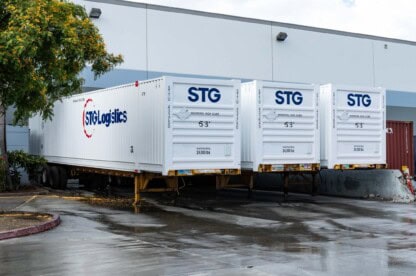
One important component of this infrastructure is the transloading facility. These facilities are designed to handle cargo transfers between transportation modes and often include equipment such as forklifts, cranes, and loading docks.
Many logistics providers also offer transload warehouse solutions that combine storage with transportation services. These facilities allow businesses to temporarily store goods, consolidate shipments, and prepare freight for final delivery.
Distribution centers play a key role in organizing inventory and ensuring products are available where they are needed. By coordinating operations across these facilities, transport freight services can maintain efficient cargo flow across large geographic regions.
This infrastructure allows businesses to respond to demand fluctuations while maintaining reliable transportation operations.
Benefits and Challenges of Transport Freight Services
Transport freight services provide several advantages for businesses operating within modern supply chains. One of the primary benefits is flexibility. Companies can choose from multiple transportation modes and adjust their strategies based on shipment requirements.
Cost efficiency is another major advantage. By using intermodal transportation and shared shipping options, businesses can reduce transportation expenses while maintaining reliable delivery schedules.
Additional benefits include:
• Improved inventory management through consistent shipment flow
• Access to multiple transportation networks
• Scalable solutions that adapt to changing demand
• Increased visibility through tracking and logistics systems
Despite these advantages, companies must also manage certain challenges. Transportation delays, capacity constraints, and fluctuating costs can impact shipping performance. External factors such as weather conditions, infrastructure limitations, and supply chain disruptions can also affect delivery timelines.
To address these challenges, businesses often work with experienced logistics providers that offer integrated transport freight services. These partnerships help improve coordination, reduce risks, and maintain consistent cargo movement.
Frequently Asked Questions
What are transport freight services?
Transport freight services refer to the movement of goods using coordinated logistics networks such as trucking, rail, air, and intermodal transportation to deliver cargo efficiently.
What types of transport freight services are available?
Common types include truckload, less-than-truckload (LTL), intermodal shipping, rail freight, and air freight depending on shipment size and urgency.
How do businesses choose transport freight services?
Businesses evaluate shipment size, delivery timelines, cost, and transportation mode availability to select the most efficient freight service.
What industries use transport freight services?
Manufacturing, retail, agriculture, construction, and e-commerce industries all rely on freight services to move goods across supply chains.
What is the role of intermodal transportation in freight services?
Intermodal transportation allows goods to move across multiple transportation modes, improving efficiency and reducing shipping costs over long distances.
Partner with STG Logistics
Efficient supply chains depend on reliable logistics partners that understand how to coordinate freight across multiple transportation modes. STG Logistics provides integrated transport freight services that connect trucking, rail, and distribution networks to support consistent cargo movement.
With expertise in intermodal transportation, transloading services, and warehouse operations, STG Logistics helps businesses optimize their shipping strategies and improve supply chain performance. By combining infrastructure, technology, and operational experience, STG delivers solutions designed to meet the demands of modern logistics.
To learn how integrated transport freight services can support your operations, contact STG Logistics to discuss your supply chain needs and identify the right transportation strategy for your business.