Rail Transloading: How Freight Moves Between Rail and Truck Networks
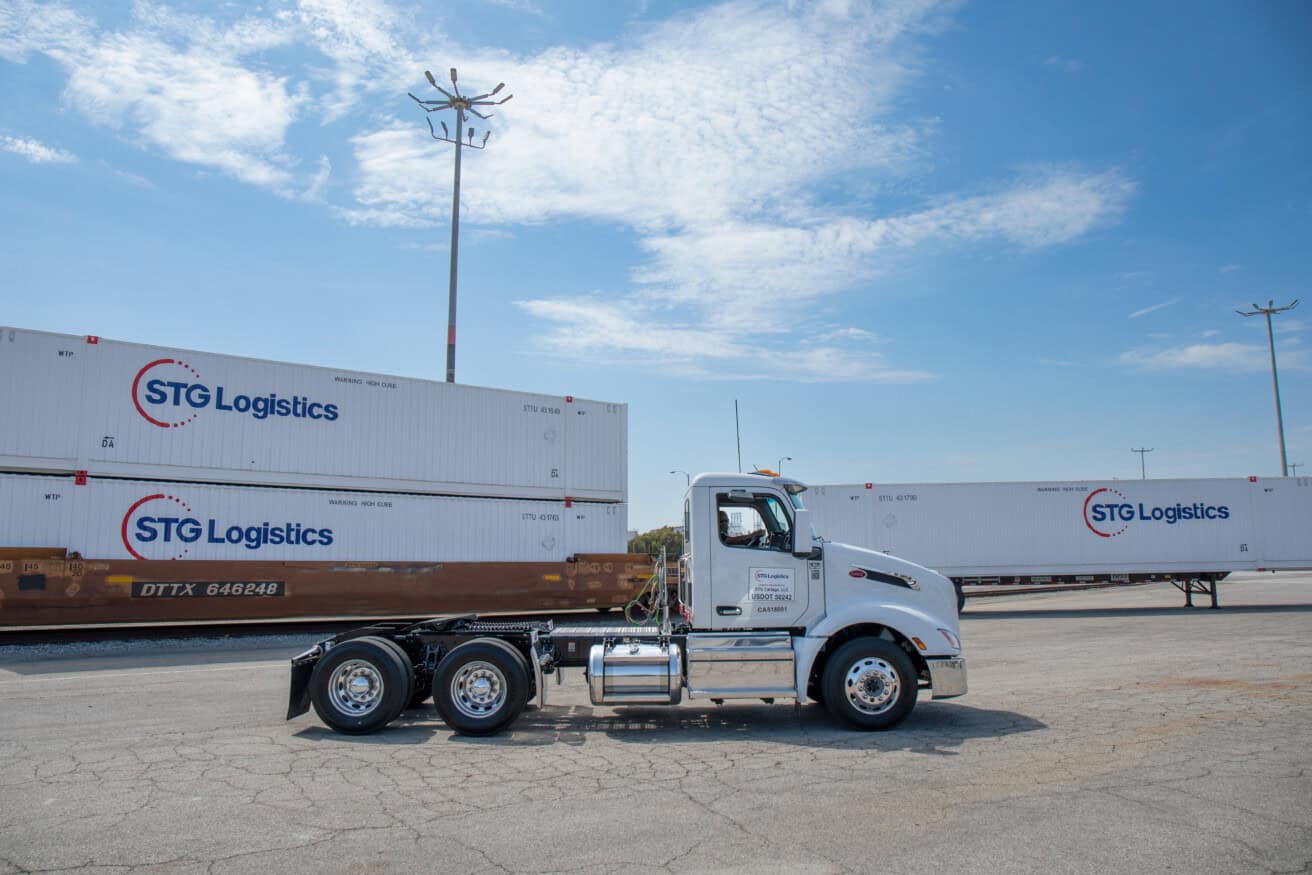
Rail transloading plays a critical role in modern supply chains by allowing freight to move efficiently between rail and trucking networks. As distribution strategies expand across regional and national markets, this process provides a flexible solution that connects long-distance rail transport with local delivery systems. Businesses rely on rail transloading to reduce transportation costs, improve routing flexibility, and maintain consistent cargo movement across complex logistics networks.
At its core, rail transloading refers to the transfer of freight between railcars and trucks at specialized facilities. These transfers allow shipments to continue moving even when direct rail access is not available at the final destination. By bridging rail and trucking networks, companies can take advantage of rail efficiency for long distances while still reaching local markets through truck delivery.
As supply chains become more dynamic and demand increases for faster, more flexible shipping, rail transloading has become an essential component of transportation strategies across multiple industries.
What Rail Transloading Is and How It Works
Rail transloading is the process of transferring freight from railcars to trucks or from trucks to railcars at a transloading facility. This process allows goods to move between transportation modes without requiring direct rail connections at every location.
The process typically begins when freight arrives at a facility by rail. At that point, cargo is unloaded using equipment such as forklifts, cranes, or conveyor systems. Once the freight is removed from the railcars, it is transferred to trucks for final delivery or staged for further movement within the supply chain.
In reverse scenarios, shipments can arrive by truck and be loaded into railcars for long-distance transport. This flexibility allows businesses to adjust their logistics strategies based on cost, distance, and delivery timelines.
A transloading facility is designed to support these operations efficiently. These facilities often include:
• Rail access and siding tracks
• Truck loading and unloading zones
• Storage and staging areas
• Equipment for handling bulk and palletized freight
Because freight is physically transferred during this process, proper handling procedures are critical to maintaining shipment integrity. Efficient coordination ensures that cargo moves quickly between transportation modes without unnecessary delays.
When Rail Transloading Is Used in Supply Chains
Rail transloading is commonly used when freight needs to move between long-distance rail routes and local delivery networks. Many businesses rely on this process to extend the reach of rail transportation into areas without direct rail access.
One of the most common scenarios involves shipments traveling long distances by rail and then transferring to trucks for final delivery. This approach allows companies to reduce transportation costs while still maintaining delivery flexibility.
Rail to truck transloading services are especially valuable in industries that move large or heavy freight. These include:
• Agriculture and bulk commodities
• Construction materials
• Industrial manufacturing goods
• Consumer products distributed regionally
In addition to bulk shipments, palletized goods and containerized cargo also use these operations when transitioning between transportation networks. This flexibility allows businesses to tailor logistics strategies based on shipment requirements.
Another common use case occurs in port logistics. Cargo arriving at ports may be transferred to rail for inland transport, then transferred again to trucks near the destination. This multi-stage movement allows businesses to optimize cost and efficiency throughout the shipping process.
Rail Transloading vs Intermodal Transportation
Rail transloading is often compared to intermodal transportation, but the two approaches differ in how freight is handled.
In intermodal transportation, cargo remains inside the same container throughout its journey. The container moves between trucks, trains, and ships without being opened. This reduces handling and helps protect goods during transit.
Rail transloading, however, involves physically transferring cargo between transportation modes. This allows shipments to be reorganized, repackaged, or consolidated as needed.
Key differences include:
• Intermodal transportation keeps cargo in the same container
• Rail-based transfer operations involve handling and transferring goods
• Intermodal is ideal for standardized shipments
• Transloading is better for flexible or non-standard cargo
Intermodal freight works well for long-distance shipments that do not require modification. However, when cargo must be redistributed, stored, or reconfigured, rail transloading provides the flexibility needed to support these operations.
By understanding when to use each method, businesses can design more efficient and adaptable logistics strategies.
Infrastructure Required for Rail Transloading
Efficient rail transloading depends on specialized infrastructure that supports cargo handling and transportation coordination. At the center of these operations is the transloading facility, which serves as the connection point between rail and truck networks.
These facilities are designed to accommodate different types of freight and support high-volume operations. A typical location includes:
• Rail spurs or siding tracks for incoming railcars
• Truck access points for loading and unloading
• Storage areas for staging cargo
• Equipment such as forklifts, cranes, and conveyors
Many logistics providers, including STG Logistics, operate facilities that support container transloading services and broader freight handling operations. These locations connect port, rail, and trucking networks, allowing businesses to maintain efficient cargo flow.
Technology also plays a key role in supporting these operations. Systems that track shipments, manage schedules, and coordinate transfers help ensure that freight moves through facilities efficiently.
Well-designed infrastructure allows businesses to scale operations, reduce delays, and improve overall supply chain performance.
Benefits of Rail Transloading for Freight Movement
Rail transloading offers several advantages for businesses seeking to optimize transportation strategies. One of the most significant benefits is cost efficiency. Rail transport is generally more economical for long-distance shipping, and combining it with trucking allows companies to control costs while maintaining flexibility.
Another key advantage is expanded market access. This process allows businesses to reach locations that are not directly connected to rail networks, improving distribution capabilities.
Additional benefits include:
• Reduced transportation costs for long-distance shipments
• Greater flexibility in routing and delivery
• Ability to handle a wide variety of cargo types
• Improved efficiency through coordinated logistics operations
This approach also supports scalability. As shipping volumes increase, businesses can adjust their strategies by leveraging rail for long hauls and trucks for local delivery.
Challenges and Considerations in Rail Transloading
While rail transloading provides many benefits, it also presents operational challenges that businesses must manage carefully.
One of the primary challenges is coordination. Transfers between rail and truck require precise timing to avoid delays. If one part of the process is disrupted, it can affect the entire shipment timeline.
Handling cargo during transfers also introduces risks. Freight must be moved safely and efficiently to prevent damage. This requires trained personnel and appropriate equipment.
Other challenges include:
• Capacity constraints during peak demand periods
• Scheduling coordination between rail and truck providers
• Potential congestion at facilities
• Weather or infrastructure-related delays
Logistics providers such as STG Logistics help address these challenges by offering integrated solutions that connect infrastructure, transportation networks, and operational expertise. This coordination helps businesses maintain reliable freight movement even under complex conditions.
The Role of Transload Logistics in Supply Chain Efficiency
Transload logistics plays an important role in optimizing how freight moves through supply chains. By coordinating cargo transfers and routing decisions, these strategies help improve efficiency and reduce delays.
Transload logistics focuses on:
• Organizing shipments during transfer
• Reducing handling time
• Ensuring accurate routing after transfer
• Improving coordination between transportation modes
By integrating these processes into broader logistics strategies, businesses can maintain efficient cargo movement across multiple transportation networks.
These operations are particularly valuable in supply chains that require flexibility and adaptability. As demand patterns change, companies can adjust routing and distribution strategies while maintaining consistent performance.
Frequently Asked Questions
What is rail transloading?
Rail transloading is the process of transferring freight between railcars and trucks to continue transportation through supply chains.
How does rail transloading work?
Freight is unloaded from railcars at a transloading facility and transferred to trucks or containers for delivery to final destinations.
When is rail transloading used?
It is used when shipments need to move between rail networks and trucking routes, especially for long-distance and regional distribution.
What are the benefits of rail transloading?
Rail transloading reduces shipping costs, increases flexibility, and allows businesses to combine rail efficiency with truck delivery access.
What types of cargo use rail transloading?
Bulk materials, agricultural products, construction goods, and palletized freight commonly move through rail transloading operations.
Partner with STG Logistics
Efficient freight movement depends on strong coordination between transportation networks and infrastructure. STG Logistics supports businesses with integrated solutions that connect rail, trucking, and distribution operations.
Through capabilities such as transloading services, intermodal transportation, and warehousing, STG Logistics helps companies improve efficiency and maintain reliable supply chain performance. These services enable businesses to move freight across multiple transportation modes while maintaining visibility and control.
To learn how rail transloading can support your logistics strategy, contact STG Logistics to explore solutions designed to improve your supply chain operations.