Transport Companies: How Freight Moves Across Modern Supply Chains
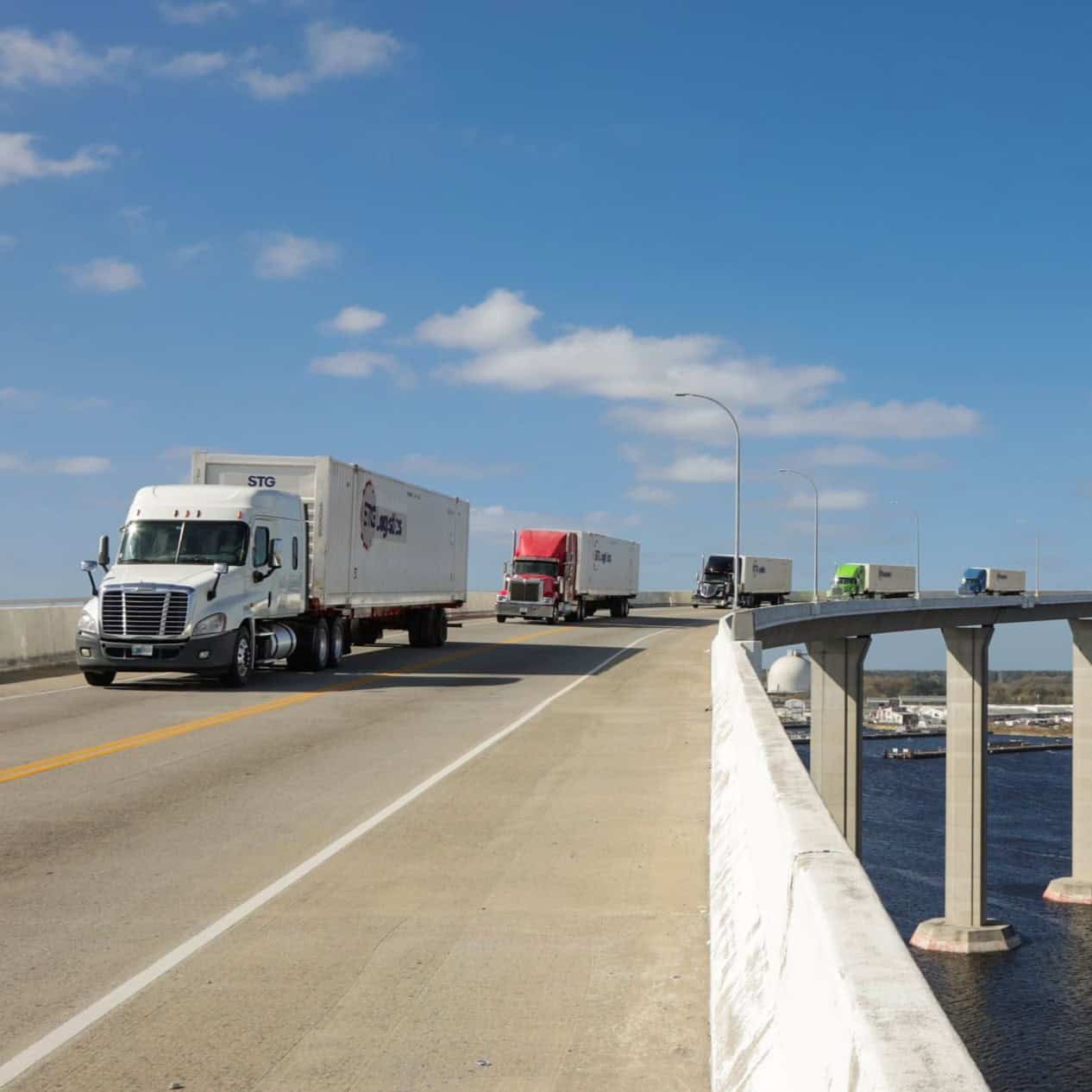
Transport companies are a core component of modern supply chains, responsible for moving goods between production facilities, storage locations, and final delivery points. Every shipment that reaches a retailer, distributor, or end customer depends on them to ensure it arrives efficiently and on time.
At a high level, transport companies provide the physical movement of freight using a combination of transportation modes. These include trucking, rail, air, and ocean shipping, each of which plays a specific role within the broader freight and transportation ecosystem. By coordinating these modes effectively, businesses can move goods across regional, national, and global markets.
As supply chains grow more complex, businesses rely on transport companies not only for movement but also for consistency, flexibility, and capacity. Many logistics providers, including STG Logistics, help connect these transportation networks, ensuring cargo flows efficiently between facilities and across modes.
Understanding how transport companies operate gives businesses a clearer view of how goods move and how to optimize logistics strategies for cost, speed, and reliability.
What Transport Companies Do
Transport companies are responsible for the movement of goods throughout the supply chain. Their role begins when products leave a manufacturing facility or warehouse and continues until those goods reach their final destination.
A transportation company typically manages vehicles, drivers, and routing systems that ensure freight is delivered according to schedule. These operations require coordination between multiple parties, including shippers, warehouses, and logistics providers.
Core responsibilities include:
• Moving goods between production, storage, and delivery locations
• Managing vehicle fleets and transportation equipment
• Coordinating pickup and delivery schedules
• Ensuring compliance with transportation regulations
• Supporting broader transportation logistics planning
Beyond these operational tasks, transport companies help maintain supply chain continuity. When goods move consistently, businesses can avoid inventory shortages and production delays.
They also play a role in managing disruptions. If delays occur due to weather, congestion, or capacity issues, they adjust routes and schedules to keep freight moving.
Types of Transport Companies in Freight and Logistics
There are several types of transport companies, each specializing in a specific mode of transportation. These providers work together to support the full movement of goods across supply chains.
The most common categories include:
• Trucking and logistics companies that handle regional and long-distance road transport
• Rail operators that move bulk and containerized freight over long distances
• Air freight carriers that provide fast shipping for time-sensitive cargo
• Ocean carriers that transport goods internationally in shipping containers
• Specialized carriers that handle temperature-sensitive or oversized freight
Each type of transport company plays a distinct role. For example, trucking providers are essential for local delivery and last-mile distribution, while rail and ocean carriers are more efficient for large-volume shipments over long distances.
Freight shipping companies often combine these services to create efficient logistics strategies. By using multiple transportation modes, businesses can balance cost, delivery speed, and operational flexibility.
How Transport Companies Support Supply Chains
Transport companies are essential for maintaining the flow of goods through supply chains. They connect key points such as manufacturing facilities, warehouses, and retail locations, ensuring that products move efficiently between each stage.
The success of freight and transportation systems depends on coordination between multiple providers. These companies work alongside logistics partners to align schedules, manage routes, and ensure timely delivery.
They support supply chains by:
• Moving raw materials to production facilities
• Transporting finished goods to distribution centers
• Delivering products to retail stores and customers
• Supporting inventory flow across regions
This coordination allows businesses to maintain consistent operations and meet customer expectations.
Transport companies also provide flexibility. When demand shifts or supply chain disruptions occur, they adjust transportation strategies to maintain efficiency and continuity.
Infrastructure and Systems Used by Transport Companies
Efficient operations depend on both physical infrastructure and advanced technology. These systems to manage freight movement and maintain performance.
Key infrastructure includes:
• Vehicle fleets such as trucks, trailers, and specialized equipment
• Warehouses and distribution centers for staging goods
• Terminals and hubs that connect transportation networks
• Maintenance facilities to support equipment reliability
Technology systems are equally important. Transportation logistics platforms allow companies to track shipments, optimize routes, and monitor performance.
These systems support:
• Real-time shipment visibility
• Route optimization and planning
• Performance monitoring and reporting
• Coordination across transportation networks
Many logistics providers, including STG Logistics, operate within these infrastructure networks to support freight movement. By connecting facilities and transportation modes, they help ensure goods move efficiently across supply chains.
The Role of Intermodal Transportation in Transport Networks
Intermodal transportation is a key component of modern logistics strategies. It allows goods to move across multiple transportation modes while maintaining efficiency and flexibility.
Transport companies coordinate these movements by managing how freight transitions between trucks, trains, and other systems. This coordination enables each mode to be used where it performs best.
Intermodal transportation offers several advantages:
• Improved fuel efficiency for long-distance shipments
• Lower transportation costs compared to single-mode shipping
• Increased capacity through combined networks
• Greater flexibility in routing and delivery
Intermodal companies support these operations by providing infrastructure and connectivity between transportation modes. Logistics providers such as STG Logistics help coordinate these networks, ensuring freight moves smoothly across supply chains.
Benefits of Working with Transport Companies
Working with transport companies provides several advantages for businesses managing logistics operations. One of the most important benefits is reliable freight movement. These providers ensure goods are delivered on time.
Cost efficiency is another major advantage. By selecting appropriate transportation modes and optimizing routes, businesses can reduce shipping expenses.
Additional benefits include:
• Access to transportation capacity across regions
• Improved delivery reliability
• Flexibility in shipping strategies
• Support for scalable logistics operations
These benefits make these companies an essential part of effective supply chain management.
Challenges Facing Transport Companies
Despite their importance, transport companies face several challenges that can impact operations. Managing fleets, coordinating schedules, and maintaining efficiency across large networks requires careful planning.
Common challenges include:
• Capacity constraints during peak demand periods
• Rising fuel and operational costs
• Traffic congestion and infrastructure limitations
• Regulatory requirements affecting transportation operations
Companies must also adapt to changing market conditions and customer expectations. Businesses rely on these providers to maintain reliable service even during disruptions.
Working with experienced logistics partners helps address these challenges and maintain consistent freight movement.
The Growing Importance of Transport Companies in Logistics
As supply chains continue to evolve, the role of transport companies becomes even more important. Businesses depend on these providers to move goods efficiently while adapting to changing market conditions.
Technology is transforming transportation operations by providing greater visibility and control. Advanced systems allow companies to optimize routes, monitor performance, and respond quickly to disruptions.
The growth of e-commerce and global trade is also increasing demand for transportation services. Companies must move goods faster and more efficiently to meet customer expectations.
As these trends continue, transport companies will remain a critical component of modern logistics networks.
Frequently Asked Questions
What are transport companies?
Transport companies are businesses that move goods or people using trucks, rail, air, or ocean transportation systems.
What services do transport companies provide?
They provide freight movement, route planning, delivery coordination, and transportation management across supply chains.
How do transport companies operate?
They coordinate vehicles, drivers, and logistics networks to move shipments between locations efficiently.
What industries use transport companies?
Industries such as manufacturing, retail, agriculture, and e-commerce rely on transport companies for freight movement.
How do businesses choose transport companies?
Businesses evaluate service coverage, reliability, pricing, and delivery performance when selecting a transport provider.
Partner with STG Logistics
Reliable freight movement depends on strong coordination between transportation networks and infrastructure. STG Logistics supports businesses with integrated solutions that connect transportation systems and improve supply chain performance.
Through capabilities such as intermodal transportation, transloading services, and logistics coordination, STG Logistics helps companies move goods efficiently across complex networks. These services allow businesses to maintain flexibility, reduce delays, and improve overall logistics performance.
To learn how integrated logistics solutions can support your operations, contact STG Logistics to explore strategies designed to strengthen your supply chain.