Cold Chain Services: How Temperature-Controlled Logistics Protect Sensitive Freight
Cold chain services are a critical component of modern supply chains, ensuring that temperature-sensitive products move safely, consistently, and in compliance with regulatory requirements. From fresh food and beverages to pharmaceuticals, biologics, and medical supplies, cold chain services protect product integrity from origin through final delivery across increasingly complex transportation networks.
As supply chains become more global and interconnected, the margin for error in handling temperature-sensitive goods continues to narrow. Consumers, regulators, and commercial partners all expect higher levels of safety, transparency, and traceability. As a result, cold chain services have evolved far beyond basic refrigerated transportation. Today, they encompass coordinated transportation logistics, specialized trucking operations, advanced temperature-controlled equipment, real-time monitoring technology, detailed documentation, and disciplined risk management across multimodal transportation and distribution networks.
Cold chain execution frequently intersects with broader freight strategies, including intermodal transportation, LTL trucking, transload solutions, and transloading services. These supporting capabilities allow temperature-sensitive freight to move efficiently between regions, transportation modes, and facilities while maintaining strict environmental controls. When designed correctly, cold chain services integrate seamlessly with transportation companies, trucking and logistics companies, freight shipping companies, and intermodal service providers to deliver consistent performance at scale.
This guide provides an in-depth explanation of cold chain services, including how they work, the core components involved, the industries that rely on them, common operational risks, and how related services such as trucking, transportation logistics, transload logistics, and transloading services support effective cold chain execution.
What Are Cold Chain Services
Cold chain services refer to the systems, processes, equipment, and operational controls used to maintain required temperature ranges for products as they move through the supply chain. These services are designed to prevent spoilage, contamination, degradation, or loss caused by temperature fluctuations during transportation, handling, and storage.
Cold chain services apply to products that must remain within strict temperature ranges, including refrigerated, frozen, and controlled ambient goods. These ranges are often defined by regulatory standards, product specifications, or customer requirements. Even short temperature excursions can reduce shelf life, compromise product safety, or invalidate an entire shipment.
Rather than being a single activity, cold chain services represent an integrated system. Each handoff in the supply chain introduces potential risk, whether freight is moving via refrigerated trucking, intermodal container shipping, rail to truck transloading services, or temporary staging at a transloading facility. This is why planning, visibility, documentation, and operational discipline are essential to successful cold chain management.
Key Components of Cold Chain Services
Temperature-Controlled Transportation
Temperature-controlled transportation is the most visible element of cold chain services. This includes refrigerated trucks, trailers, containers, and intermodal equipment designed to maintain specific temperature ranges throughout transit.
Equipment selection depends on product requirements, transit duration, seasonal weather conditions, and lane characteristics. Proper pre-cooling, equipment inspection, and temperature set-point validation are critical steps before loading begins. Failure to properly prepare equipment can compromise temperature control before a shipment ever leaves the dock.
Drivers and operations teams must also manage execution details such as door openings, seal integrity, fuel levels, and airflow management. These factors may appear minor, but they directly affect temperature stability during transit, especially on long hauls, during intermodal transportation moves, or when freight passes through multiple transfer points.
In high-volume networks, temperature-controlled transportation must also account for variability in dwell time, traffic congestion, and appointment scheduling. Proactive planning and communication between dispatch, drivers, and receiving facilities help minimize exposure risk and maintain consistent cold chain performance.
Cold Storage and Warehousing
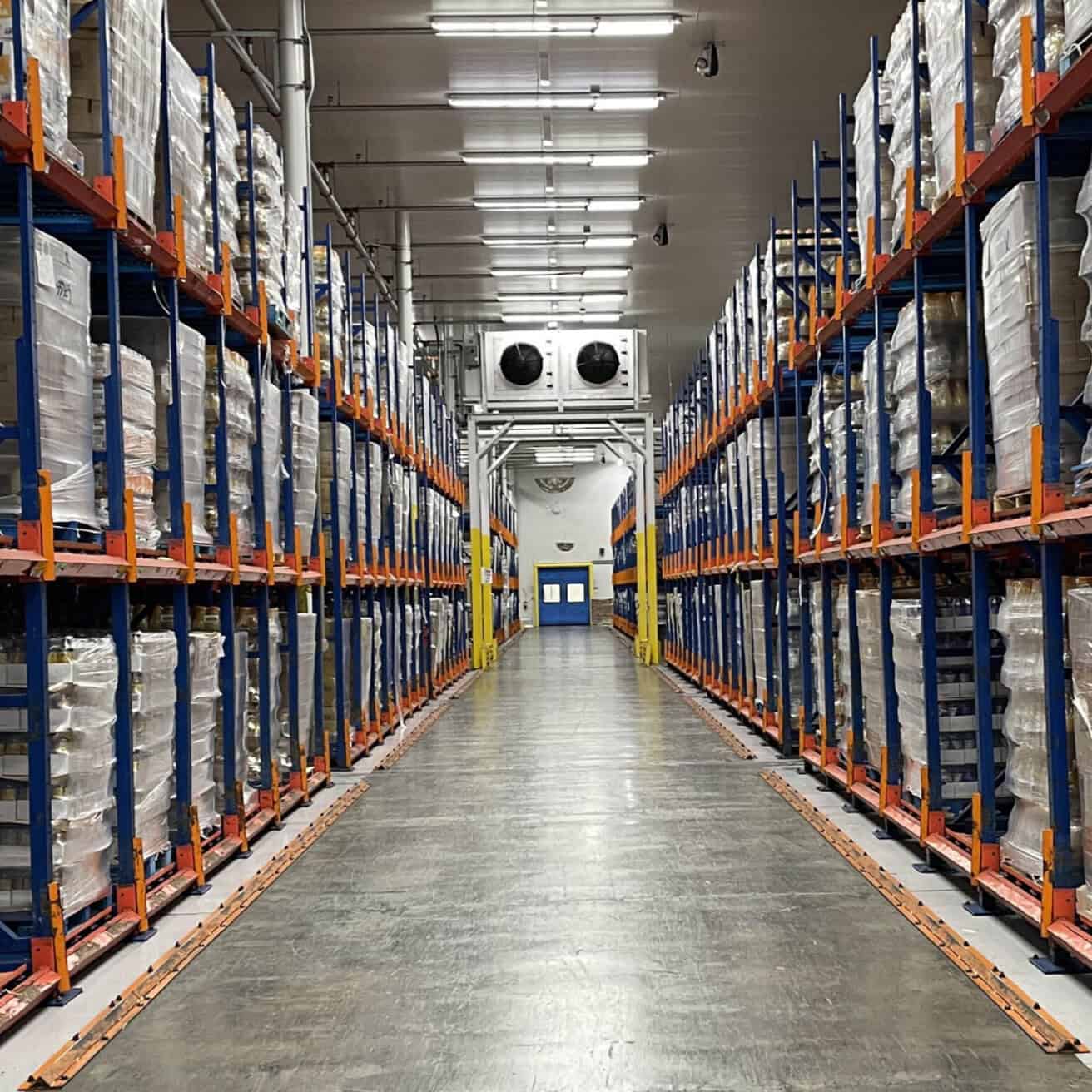
Cold storage facilities support staging, consolidation, inventory management, and distribution within the cold chain. These facilities may include refrigerated warehouses, freezer storage, and temperature-controlled cross-dock operations.
Cold storage plays an important role in buffering supply and demand, supporting just-in-time delivery, and enabling regional distribution strategies. By positioning inventory closer to end markets, organizations can reduce transit times, lower exposure risk, and improve service consistency.
Integration between transportation and cold storage operations helps minimize dwell time and temperature exposure during handoffs. Facilities that also support transload warehouse solutions, container consolidation services, and container deconsolidation provide additional flexibility within complex cold chain networks, particularly when shipments must be reconfigured for downstream delivery.
Monitoring and Visibility
Monitoring systems are essential to effective cold chain services. Temperature sensors, data loggers, and telematics systems provide continuous visibility into product conditions during transportation and storage.
Real-time alerts allow operations teams to respond quickly to deviations, potentially preventing product loss or quality degradation. Historical temperature data supports compliance reporting, audits, insurance claims, and root-cause analysis.
Advanced visibility platforms integrate location, temperature, and condition data into a single operational view. This transparency improves accountability across trucking, intermodal services, and transloading services, enabling faster, more informed decision-making when exceptions occur. In mature cold chain operations, monitoring data is also used to refine lane strategies, improve equipment utilization, and identify recurring risk points within the network.
Documentation and Compliance
Cold chain services must meet strict regulatory and customer requirements. Documentation may include temperature records, chain-of-custody logs, sanitation records, calibration certificates, and compliance certifications.
Accurate documentation protects shippers during audits, recalls, insurance claims, and customer disputes. In regulated industries, documentation is often just as critical as physical temperature control itself. Even when temperature is maintained, incomplete or inaccurate records can result in rejected freight or compliance violations.
Well-run cold chain programs treat documentation as an operational discipline rather than an administrative afterthought. Clear processes, standardized templates, and consistent recordkeeping reduce risk and support long-term compliance.
Industries That Rely on Cold Chain Services
Food and Beverage
Fresh produce, dairy, meat, seafood, and frozen foods rely heavily on cold chain services to preserve quality and prevent spoilage. Even brief temperature excursions can accelerate bacterial growth, reduce shelf life, or create food safety risks.
Cold chain execution in food and beverage often involves strict sanitation standards, rapid transit times, and coordination across growers, processors, freight shipping companies, distributors, and retailers. Seasonal demand fluctuations, harvest cycles, and promotional surges further increase complexity and require flexible transportation logistics strategies.
Pharmaceuticals and Healthcare
Pharmaceutical and healthcare products often have narrow temperature tolerances and stringent compliance requirements. Vaccines, biologics, clinical trial materials, and specialty medications depend on uninterrupted cold chain services throughout transportation and storage.
In this sector, traceability, documentation, and exception management are just as important as maintaining the correct temperature. Regulatory oversight is high, and failures can have serious patient safety, financial, and legal consequences. As a result, cold chain services in healthcare environments tend to emphasize redundancy, monitoring accuracy, and rapid response protocols.
Chemicals and Industrial Products
Certain chemicals, coatings, and industrial materials require temperature control to maintain stability and performance. Cold chain services help protect these products during transportation and storage, particularly when moving long distances or through intermodal freight networks.
Failure to maintain required conditions can lead to product degradation, safety hazards, or regulatory noncompliance, making disciplined cold chain management essential beyond food and healthcare applications.
The Role of Transportation Logistics in Cold Chain Services
Transportation logistics is foundational to effective cold chain services. Route planning, carrier selection, pickup and delivery scheduling, and coordination across transportation modes all influence temperature stability.
Logistics teams must account for transit time, facility capabilities, weather conditions, traffic patterns, and equipment availability when designing cold chain movements. Poor planning increases dwell time and exposure risk, especially when freight must move through intermodal companies, transloading facilities, or multiple regional distribution points.
Integrated transportation logistics reduces handoff risk and supports consistent execution across complex cold chain networks, particularly for multi-leg, cross-border, or long-haul shipments. In well-designed systems, logistics planning anticipates potential disruptions and builds flexibility into routing and capacity decisions.
Trucking and Cold Chain Services
Trucking plays a central role in cold chain services, particularly for regional distribution and final delivery. Refrigerated trucking provides flexibility, door-to-door access, and greater control over transit conditions than many other transportation options.
Successful cold chain trucking requires trained drivers, disciplined loading procedures, and constant monitoring. Attention to execution details such as airflow management, seal checks, and minimizing door openings can significantly impact temperature performance.
LTL trucking may also be used within cold chain networks when shipment volumes are smaller or when multi-stop distribution is required. In these cases, careful coordination and monitoring are essential to maintain temperature control across multiple deliveries.
Transload Solutions and Transloading Services in the Cold Chain
Transload solutions allow temperature-sensitive freight to transfer between transportation modes or equipment while maintaining required conditions. This may include moving goods from rail to truck, from international containers to domestic refrigerated trailers, or from inbound freight into outbound regional distribution equipment.
Because transloading introduces additional handling steps, cold chain transloading requires specialized facilities, trained personnel, and strict operating procedures. Temperature exposure during transfers must be carefully managed through dock design, rapid transfer processes, and continuous monitoring.
When executed correctly, transloading services can reduce transportation costs, improve speed to market, and support regional distribution strategies without compromising temperature control. For large or geographically dispersed supply chains, transloading can be a critical enabler of scalable cold chain operations.
Common Risks in Cold Chain Services
Cold chain services face inherent risks that must be actively managed.
Temperature excursions may occur due to equipment failure, improper loading, extended dwell time, or human error. Even brief deviations can render products unsellable or noncompliant.
Delays caused by congestion, weather, labor shortages, or facility constraints increase exposure risk. Cold chain planning must include realistic transit times, buffer capacity, and contingency options.
Documentation errors can also create compliance issues even when physical temperature control is maintained. Missing or inaccurate records may result in rejected shipments, customer disputes, or regulatory penalties.
Best Practices for Effective Cold Chain Services
Organizations that excel in cold chain services design temperature requirements into transportation planning rather than treating them as an afterthought.
They partner with providers that invest in training, technology, and process discipline. Regular performance reviews, audits, and data analysis help identify trends, recurring risks, and improvement opportunities.
Strong cold chain management combines prevention, visibility, and rapid response. Preparedness is often the difference between a minor disruption and a costly loss.
Choosing a Cold Chain Services Partner
Selecting the right cold chain services partner is a strategic decision. Key factors include equipment quality, monitoring capabilities, compliance experience, operational discipline, and responsiveness during exceptions.
A strong partner provides transparency, documented procedures, and clear communication. Alignment on expectations, reporting, and escalation processes supports consistent execution across the supply chain.
Cold Chain Services in Modern Supply Chains
Cold chain services are becoming increasingly important as supply chains grow more complex and regulatory standards become more stringent.
Organizations that invest in strong cold chain capabilities are better positioned to protect brand reputation, reduce waste, and support long-term growth across competitive markets.
Frequently Asked Questions
What are cold chain services?
Cold chain services are systems and processes used to maintain required temperature ranges for sensitive products during transportation and storage.
Why are cold chain services important?
They protect product quality, safety, and regulatory compliance for temperature-sensitive goods.
What products require cold chain services?
Food, pharmaceuticals, healthcare products, biologics, and certain chemicals commonly require cold chain services.
How do cold chain services prevent spoilage?
They use temperature-controlled equipment, monitoring technology, disciplined procedures, and rapid response to deviations.
What should companies look for in a cold chain services provider?
Experience, compliance expertise, monitoring capabilities, and strong operational controls are key factors.
Partner with STG Logistics
Cold chain services require precision, coordination, and accountability. STG Logistics provides cold chain services designed to protect temperature-sensitive freight across complex transportation logistics networks.
If you are evaluating cold chain services or need help managing refrigerated or temperature-controlled freight, contact STG Logistics to discuss your requirements and learn how our team can support your supply chain goals.