
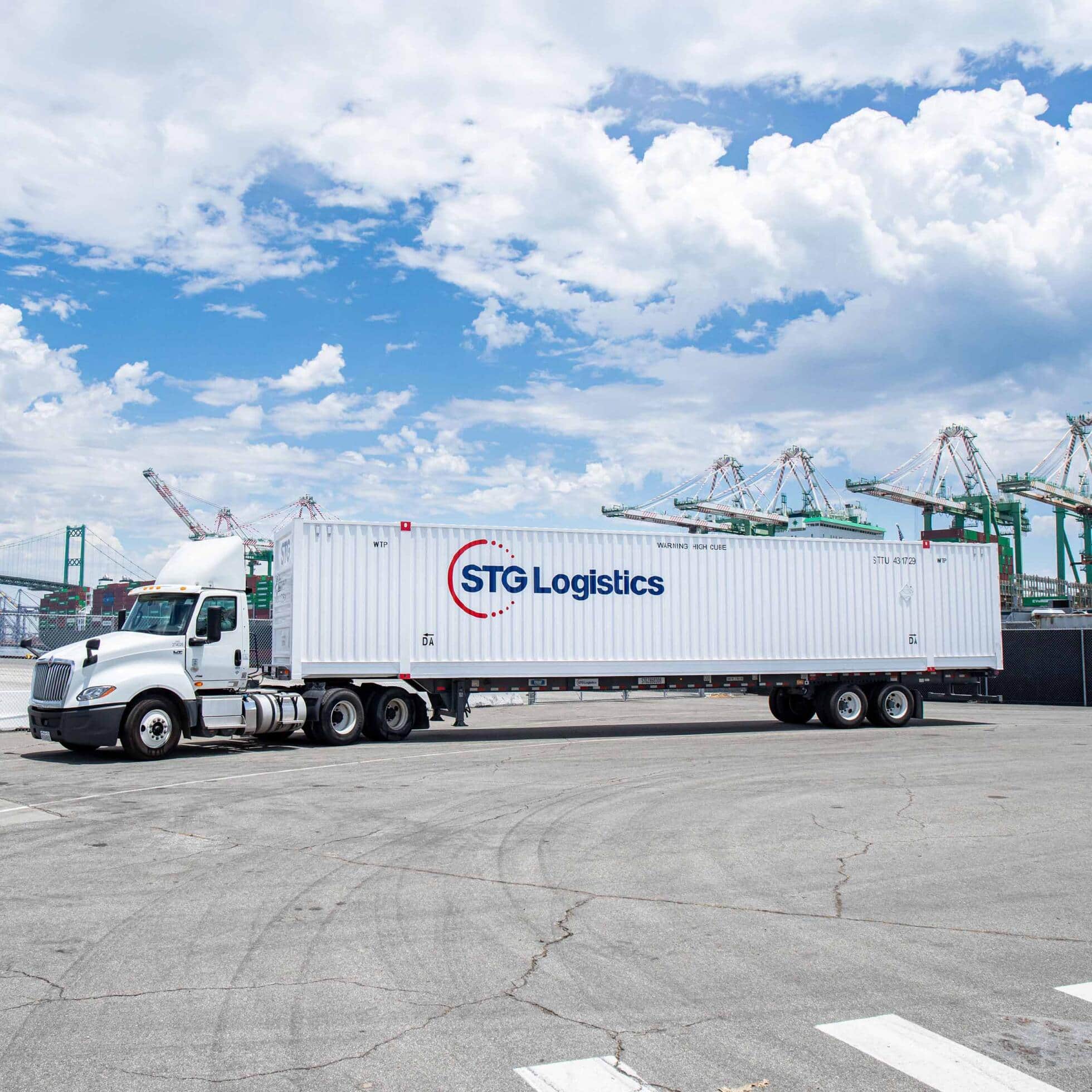
Global supply chains depend on efficient connections between transportation networks. One of the most important links in that chain is container drayage, the short-distance movement of shipping containers between ports, rail terminals, warehouses, and logistics facilities. Although these trips often cover only a few miles, they play a critical role in keeping freight moving smoothly through complex transportation systems.
In simple terms, container drayage refers to the truck transport of standardized shipping containers across short distances, usually within the same metropolitan area. These movements often connect marine terminals with nearby intermodal rail yards or distribution centers where cargo can be processed, stored, or transferred to another transportation mode. Without container drayage, containers arriving at ports or rail hubs would struggle to reach the facilities where goods are unloaded and prepared for the next stage of their journey.
As global trade continues expanding and containerized freight volumes increase, the importance of container drayage within modern logistics networks has grown significantly. Businesses that rely on imported goods, domestic distribution, or intermodal transportation depend on reliable drayage operations to keep cargo moving efficiently.
The Role of Short-Haul Container Transport in Supply Chains
Short-distance container transport acts as the bridge between major transportation systems. Ocean vessels, rail networks, and trucking routes each handle different stages of the freight journey. However, cargo must move between these systems before it can continue toward its final destination.
That transfer is where container drayage becomes essential. When containers arrive at a port, they must be picked up and delivered to warehouses, distribution centers, or rail terminals. Similarly, containers arriving by rail often require trucking services to reach regional logistics facilities.
Typical situations where this short-haul container movement is required include:
• Moving containers from marine terminals to container freight stations
• Delivering cargo from ports to nearby distribution warehouses
• Transporting containers between rail terminals and logistics parks
• Connecting inland warehouses with intermodal rail facilities
These short-distance moves may seem small compared with long-distance shipping, but they ensure cargo transitions smoothly between transportation networks.
How Container Drayage Supports Intermodal Transportation
Intermodal shipping relies on multiple transportation methods working together. A shipment may begin overseas on a container vessel, transfer to rail for long-distance inland movement, and finally travel by truck to reach a regional distribution facility.
Each time the container transitions between these transportation modes, container drayage plays a role. Trucks transport containers between marine terminals and rail yards or between rail ramps and warehouses. These moves allow the container to continue traveling across the larger logistics network.
For example, imported cargo arriving at a coastal port might be picked up and transported to an intermodal rail facility where the container is loaded onto a train. After traveling hundreds or thousands of miles inland, the container is unloaded and again transported by truck to a warehouse or distribution center.
This process demonstrates how container drayage connects different transportation systems and allows freight to move efficiently across long distances.
Key Facilities That Support Container Movement
Several types of logistics facilities play an important role in supporting container movement between transportation networks. These locations provide the infrastructure necessary for unloading containers, storing cargo, and transferring shipments to other transportation modes.
One of the most important facilities involved in these operations is the container freight station. These facilities allow containers to be opened and their contents separated into smaller shipments that can be distributed to multiple destinations.
Other logistics facilities that support container transportation include:
• Transloading terminals where goods are transferred between containers and trailers
• Distribution centers that stage cargo for regional delivery
• Warehouses that provide temporary storage before shipments continue moving
• Rail terminals that transfer containers between trains and trucks
By coordinating operations between these facilities, logistics providers ensure containers move smoothly through the supply chain.
Operational Challenges in Container Drayage
Although these short-distance container movements are essential, they can also present operational challenges. Port congestion, traffic delays, and equipment shortages can all affect drayage operations and slow cargo movement.
Busy marine terminals often experience periods of high container volume when vessels arrive with thousands of containers at once. Coordinating truck appointments, container pickups, and warehouse deliveries during these times requires careful scheduling and strong communication between transportation partners.
Additional challenges that can affect container drayage operations include:
• Limited chassis availability for transporting containers
• Traffic congestion in major port cities
• Labor shortages in trucking operations
• Terminal scheduling limitations at marine ports
To address these challenges, many logistics providers rely on advanced technology systems that improve shipment tracking and scheduling.
Technology and Visibility in Modern Drayage Operations
Digital logistics platforms are becoming increasingly important for managing container transportation. These systems allow logistics teams to track container movements, monitor terminal schedules, and coordinate transportation partners more effectively.
Transportation management systems help companies plan routes, assign drivers, and monitor shipments throughout the transportation process. Real-time visibility tools allow logistics managers to identify delays quickly and make adjustments to maintain delivery timelines.
Technology solutions supporting container drayage operations often include:
• Real-time container tracking systems
• Digital appointment scheduling for port terminals
• Route optimization tools for trucking operations
• Data analytics platforms that monitor transportation performance
These tools help logistics providers maintain efficient cargo movement and improve supply chain reliability.
The Future of Container Drayage in Global Logistics
As global commerce continues expanding, containerized freight will remain one of the most efficient methods for transporting goods. The growth of international trade, e-commerce distribution, and intermodal transportation networks will continue increasing demand for reliable drayage operations.
Infrastructure investments at ports, rail terminals, and logistics parks are expected to improve container handling capacity and reduce congestion. At the same time, new technology platforms will provide greater visibility into container movements and help logistics teams coordinate transportation more effectively.
These advancements will allow container drayage providers to maintain efficient cargo flow even as freight volumes increase.
Businesses that rely on global supply chains will continue depending on strong drayage operations to ensure goods move smoothly between transportation systems and reach their final destinations without delays.
Frequently Asked Questions
What is container drayage?
Container drayage refers to the short-distance transportation of shipping containers between ports, rail yards, warehouses, and other logistics facilities.
Why is container drayage important in shipping?
Container drayage connects major transportation networks such as ocean freight, rail transportation, and trucking. These short-haul moves allow containers to transition between different shipping modes.
How far do container drayage trips typically travel?
Most trips occur within the same metropolitan region and typically cover short distances between marine terminals, rail ramps, and nearby logistics facilities.
What equipment is used in container drayage operations?
Specialized trucks and chassis designed to carry standardized shipping containers are used to transport containers between terminals and warehouses.
How does container drayage support intermodal transportation?
Drayage operations allow containers to move between ships, trains, and trucks, enabling cargo to travel efficiently across long-distance transportation networks.
Partner with STG Logistics
Efficient container transportation requires coordination between ports, rail networks, warehouses, and trucking operations. Businesses that rely on containerized freight need logistics partners with the infrastructure, experience, and operational visibility to keep cargo moving without unnecessary delays.
STG Logistics provides integrated logistics solutions that support containerized freight across complex supply chains. Through a nationwide network of container freight stations, intermodal facilities, warehousing operations, and transloading locations, STG helps companies move cargo efficiently between transportation modes while maintaining visibility and operational control.
Organizations working with containerized freight often face challenges related to port congestion, equipment availability, and transportation coordination. By partnering with experienced logistics providers, businesses can improve shipment reliability, reduce delays, and maintain consistent cargo flow through their distribution networks.
STG Logistics supports these operations with services that connect marine terminals, rail networks, and inland distribution centers. Whether shipments require container handling, intermodal coordination, or distribution support, STG provides the operational expertise needed to manage complex freight movement.
If your organization is looking to strengthen its logistics strategy or improve the efficiency of container transportation, contact STG Logistics to discuss how our integrated logistics services can support your supply chain operations.


