Intermodal Companies: Driving Efficiency in Modern Freight Networks
Introduction
Intermodal companies play a critical role in the modern logistics landscape, connecting the efficiency of rail with the flexibility of trucking to move goods seamlessly across vast networks. These providers manage the coordination, scheduling, and execution of multimodal freight transportation, helping businesses reduce costs, improve reliability, and strengthen supply chain resilience.
As a national leader in logistics services, STG Logistics helps companies streamline freight operations through integrated intermodal solutions. By combining deep industry expertise with technology-enabled visibility, STG enables shippers to optimize transportation strategies across every mode.
For shippers and logistics professionals, intermodal freight offers a balanced approach that optimizes speed, cost, and environmental impact while maintaining control over scheduling and performance.
What Are Intermodal Companies?
Intermodal companies specialize in coordinating the movement of freight using multiple modes of transportation, most commonly rail and truck, without directly handling the cargo itself. Their focus is on seamless modal transfers, standardized intermodal container shipping, and end-to-end network management.
These companies act as the operational link between shippers, railroads, drayage carriers, and distribution centers. They ensure that each leg of the journey aligns in timing and cost, minimizing disruptions and maximizing equipment utilization.
How Intermodal Companies Operate
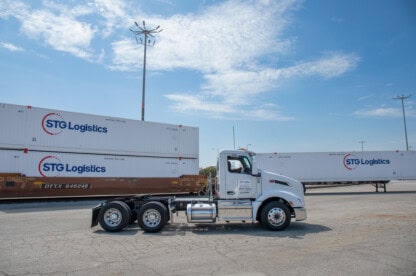
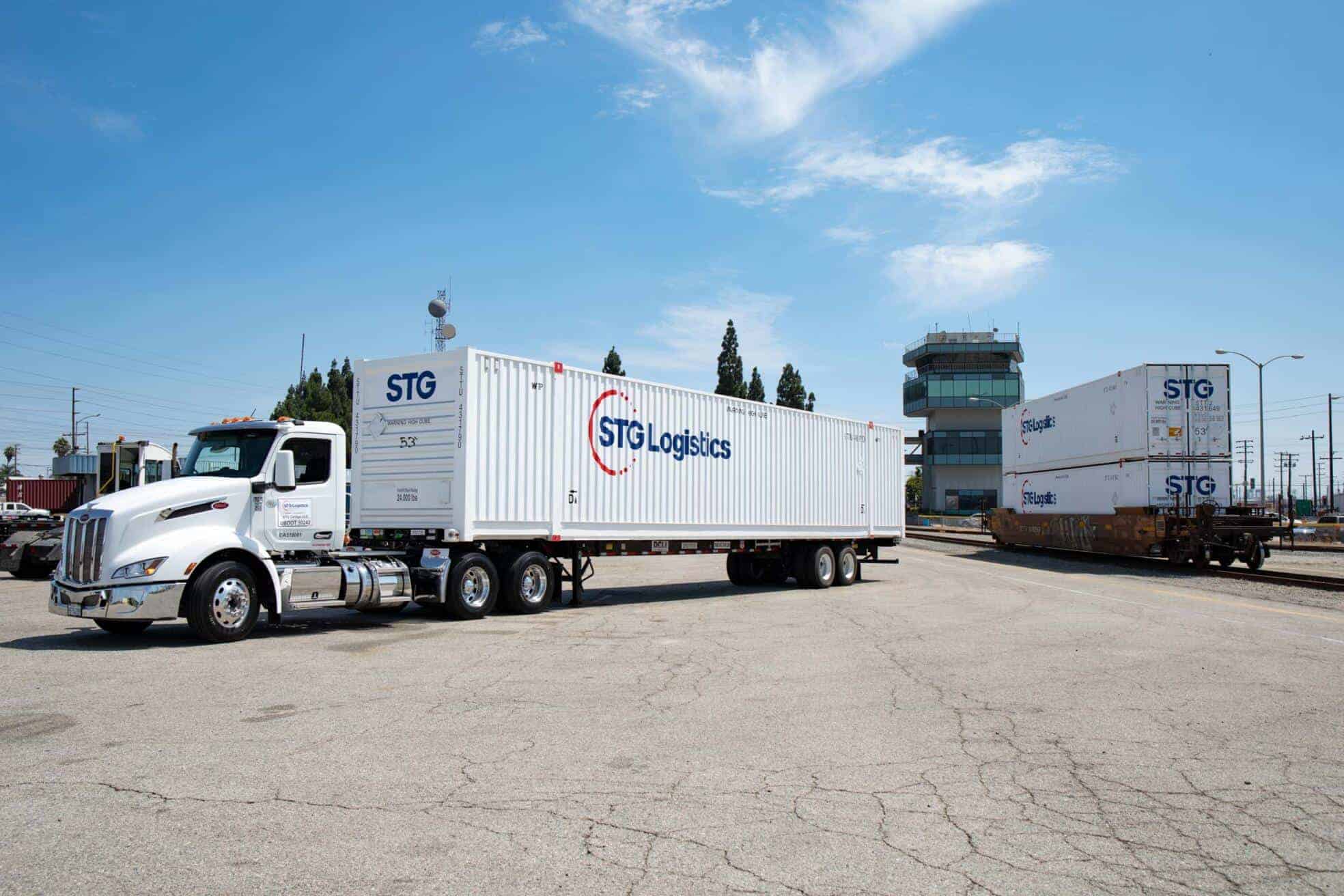
A typical intermodal process begins when freight is loaded into a standard container at the shipper’s facility. A drayage carrier hauls it to a nearby rail terminal, where it’s transferred to a train for long-haul movement. Once it reaches the destination terminal, another drayage carrier delivers the container to its final location.
Intermodal companies manage this process from start to finish, overseeing communication between each stakeholder and leveraging tracking technology to monitor containers in real time.
The Importance of Coordination
Efficient coordination is what sets leading intermodal companies apart. They must synchronize schedules between railroads and drayage providers, manage equipment availability, and ensure compliance with terminal procedures. The result is a streamlined transportation model that delivers reliability and cost efficiency at scale.
The Advantages of Working with Intermodal Companies
Intermodal transportation has become an essential logistics strategy for shippers managing long-haul domestic freight. Partnering with established intermodal companies offers measurable benefits that extend beyond simple cost savings.
Cost Savings and Efficiency
By leveraging the lower per-mile cost of rail for long distances and the flexibility of trucking for the first and last mile, intermodal providers deliver meaningful cost reductions compared to over-the-road hauling alone. This structure allows shippers to maintain predictable budgets and mitigate the impact of volatile fuel costs.
Sustainability Benefits
Rail is one of the most environmentally friendly freight options, producing far fewer greenhouse gas emissions per ton-mile than trucks. Intermodal companies help organizations integrate sustainability into their logistics strategy by shifting more freight onto rail while still maintaining reliable service.
Capacity and Reliability
In times of driver shortages or tight trucking capacity, intermodal networks provide a consistent, scalable alternative. Rail operators maintain fixed schedules and predictable capacity levels, allowing intermodal companies to keep freight moving even during periods of high demand.
Technology and Visibility
Modern intermodal companies employ sophisticated transportation management systems that track every stage of a shipment. These platforms integrate rail and drayage data into a single interface, giving shippers real-time visibility into container locations, estimated arrivals, and performance metrics.
Key Services Offered by Intermodal Companies
While intermodal transportation is at the core of their business, these companies provide a broader range of logistics services designed to optimize the entire supply chain.
Drayage and Local Coordination
Drayage carriers handle short-haul container moves between rail terminals, ports, and customer facilities. Intermodal companies oversee these operations to maintain timing accuracy and reduce dwell times at terminals. Close relationships with drayage providers ensure containers move efficiently between modes.
Container Management and Allocation
Effective container management is central to intermodal success. Providers monitor equipment positioning, utilization, and return cycles to avoid shortages or surpluses in key markets. Many also manage specialized containers suited for different commodities or temperature requirements.
Intermodal and Drayage Carrier Partnerships
Intermodal and drayage carrier partnerships are vital. Intermodal companies rely on these relationships to secure capacity, improve scheduling flexibility, and enhance service reliability. STG Logistics leverages long-standing partnerships with Class I railroads and local carriers to provide dependable, end-to-end intermodal service across the U.S.
Transloading and Value-Added Services
Some intermodal companies also offer transloading services for cargo that requires repackaging or redistribution between modes. A transloading facility enables freight to be transferred between containers, trucks, or railcars, ideal for customers managing mixed-load shipments or regional distribution programs.
Integrating Intermodal Companies into a Supply Chain Strategy
Intermodal transportation works best when it’s integrated with other logistics functions such as warehousing, distribution, and inventory management. Intermodal companies help align these elements to create a synchronized and efficient network.
When to Use Intermodal Transportation
Intermodal shipping is ideal for long-distance moves where rail can handle the majority of the route and trucking completes the final mile. It is especially effective for high-volume freight moving between major metropolitan areas, ports, and inland hubs.
Balancing Flexibility and Cost
Intermodal companies work with shippers to identify the optimal balance between flexibility and cost. When time sensitivity is high, truckload may be preferred. For predictable lanes and steady volume, intermodal becomes the clear choice, offering consistent savings without sacrificing reliability.
Supporting Multimodal Integration
By integrating intermodal and transloading services, logistics providers give customers the ability to adapt quickly to market fluctuations. For instance, freight arriving by rail can be reconfigured at a transload warehouse and distributed by truck to multiple destinations. This approach combines efficiency with adaptability across the supply chain.
Technology and Innovation in Intermodal Logistics
Digital transformation continues to reshape how intermodal companies operate. From automation to predictive analytics, technology enables greater visibility, control, and responsiveness.
Real-Time Visibility Tools
Tracking platforms consolidate data from railroads, drayage providers, and terminals to deliver end-to-end visibility. Shippers can monitor every movement, track exceptions, and manage service performance from a unified dashboard.
Automation and Efficiency Gains
Automation in container yards and terminal operations improves throughput and reduces manual handling. Many intermodal facilities now use digital scheduling, automated cranes, and electronic data interchange (EDI) systems to eliminate delays and improve reliability.
Predictive Analytics and Optimization
Data analytics help intermodal companies forecast capacity needs, optimize routing, and identify opportunities for cost reduction. STG Logistics applies advanced analytics to model lane performance, adjust routing strategies, and recommend network improvements that strengthen customer efficiency.
How Intermodal Companies Support Supply Chain Resilience
Today’s supply chains require flexibility and redundancy to navigate unpredictable market conditions. Intermodal transportation plays a critical role in maintaining stability across logistics networks.
Diversification of Transportation Modes
By combining rail and truck modes, intermodal companies give shippers more options when disruptions occur. If trucking capacity tightens, rail can absorb volume, and if rail service slows, drayage provides immediate flexibility.
Reducing Dependence on Long-Haul Trucking
Driver shortages, labor costs, and fuel volatility can impact traditional over-the-road operations. Intermodal services reduce this dependency, offering cost-effective alternatives that maintain consistency and on-time performance.
Nationwide Coverage
Intermodal networks connect major ports, inland terminals, and key distribution markets. Providers like STG Logistics operate across these hubs, ensuring freight continues to move efficiently even during regional disruptions or surges in demand.
The Future of Intermodal Companies
As technology advances and infrastructure expands, intermodal companies will continue to play a vital role in reshaping freight movement across North America.
Growth of Inland Hubs
The expansion of inland rail terminals is reducing congestion at coastal ports and improving access to interior markets. These hubs act as central distribution points, allowing intermodal providers to shorten transit times and increase container velocity.
Sustainability as a Competitive Advantage
Sustainability is becoming a defining factor for logistics providers. Intermodal companies are uniquely positioned to help shippers meet carbon-reduction targets through increased rail utilization and energy-efficient drayage practices.
Continued Digital Integration
From advanced visibility systems to AI-powered planning tools, digital technology will continue to enhance intermodal operations. Automation and data integration will make it easier for companies to monitor performance, plan capacity, and respond to changes in real time.
Frequently Asked Questions
What do intermodal companies do?
They manage freight transportation across multiple modes, typically rail and truck, ensuring containers move efficiently without being unpacked during transit.
How do intermodal companies differ from drayage carriers?
Drayage carriers handle the short-haul movement of containers between terminals and local destinations, while intermodal companies manage the full multimodal coordination and scheduling.
Are intermodal services suitable for all types of freight?
Intermodal transportation works best for durable goods, packaged freight, and other non-perishable commodities that can benefit from lower costs and reliable delivery timelines.
What is the difference between intermodal transportation and transloading?
Intermodal keeps freight sealed in the same container throughout the journey. Transloading involves physically transferring goods between containers or modes at a transloading facility to support regional distribution.
How do intermodal companies help with sustainability?
By shifting more freight to rail, intermodal companies reduce greenhouse gas emissions and fuel consumption, helping shippers meet corporate sustainability targets.
Partner with STG Logistics
As intermodal logistics continues to evolve, businesses need partners who combine technology, experience, and nationwide coverage. STG Logistics delivers integrated intermodal and drayage services designed to lower costs, improve efficiency, and enhance supply chain visibility.
Contact STG Logistics today to consult with our intermodal experts and discover how a unified multimodal strategy can help your organization achieve better performance and resilience.