
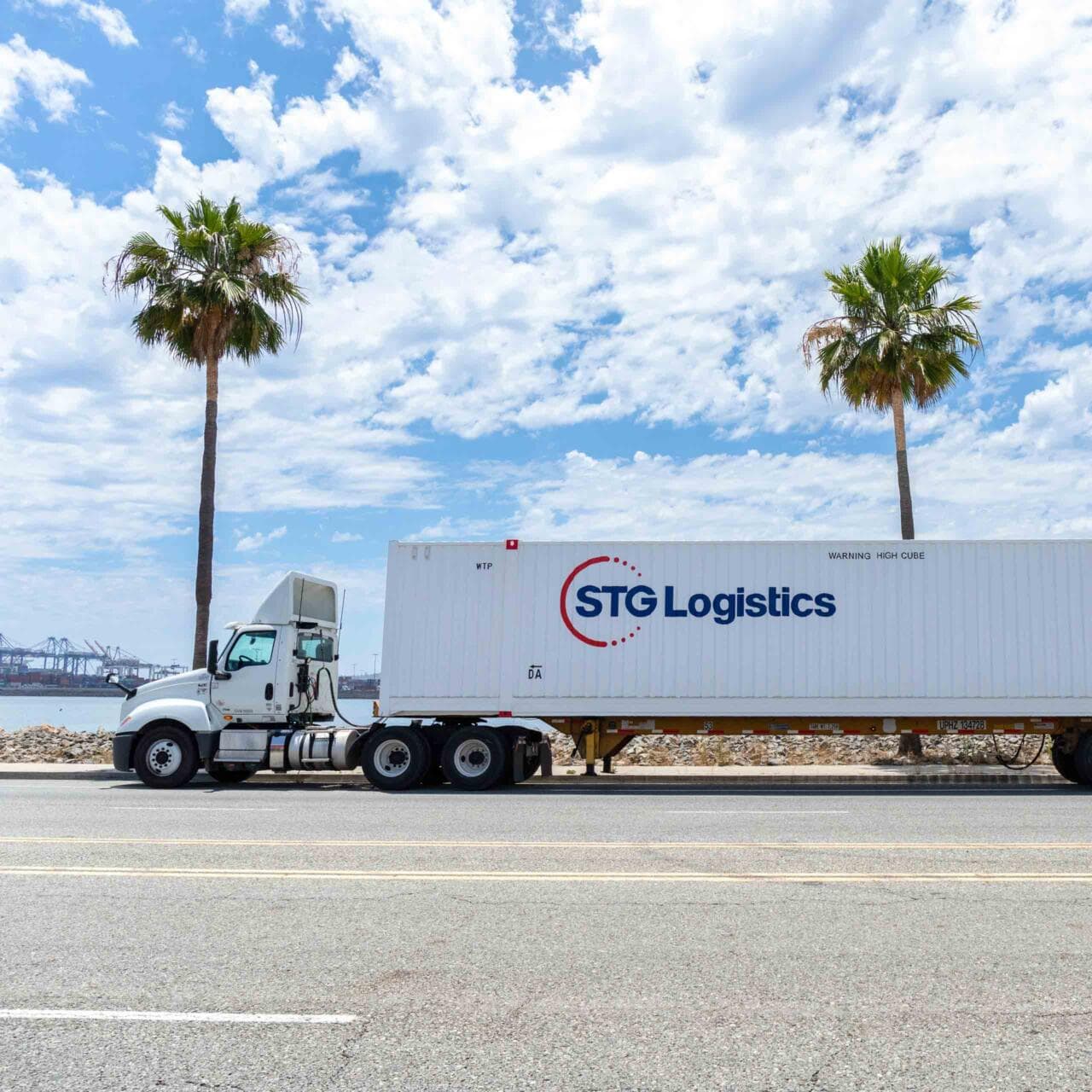
An LTL carrier plays a vital role in modern freight transportation by moving shipments that are too large for parcel services but do not require a full truckload. Less than truckload shipping allows multiple shippers to share trailer space, creating a flexible and cost-effective solution for smaller or more variable freight volumes.
As supply chains become more dynamic and customer expectations continue to rise, LTL shipping has evolved beyond basic terminal-to-terminal service. Today’s LTL carriers operate within broader transportation networks that integrate trucking, intermodal transportation, transloading, and warehousing to support scalable distribution strategies.
This guide explains what an LTL carrier does, how LTL shipping works, when it makes sense within a transportation strategy, and how integrated logistics services improve efficiency, reliability, and cost control.
What Is an LTL Carrier
An LTL carrier transports freight that does not fill an entire trailer. Instead of dedicating a truck to a single shipment, LTL carriers consolidate multiple shipments from different shippers into one trailer, each bound for different destinations.
Shipments are typically palletized, crated, or otherwise unitized, allowing them to be handled efficiently at terminals. Because freight is consolidated and deconsolidated as it moves through the network, LTL shipping relies on hub-and-spoke terminal operations rather than direct point-to-point routes.
LTL carriers are commonly used by manufacturers, distributors, and retailers shipping moderate volumes on a regular basis.
How Less Than Truckload Shipping Works
Less than truckload shipping begins with pickup at the shipper’s location, followed by transport to a local terminal. At the terminal, freight is sorted and consolidated with other shipments traveling in the same direction.
Shipments may pass through multiple terminals before reaching the destination terminal, where they are deconsolidated and delivered to the consignee. Each handling step requires coordination, tracking, and careful freight management.
Because LTL shipping involves multiple touchpoints, carrier experience, terminal efficiency, and technology play a significant role in service performance.
When Shippers Should Use an LTL Carrier
LTL shipping is well suited for shipments that weigh more than parcel limits but do not justify a full truckload. It is commonly used for palletized freight, smaller replenishment orders, and regional distribution.
Shippers often choose LTL carriers when shipment frequency is high but individual order sizes vary. This allows them to avoid paying for unused trailer space while maintaining consistent delivery schedules.
LTL shipping also supports just-in-time inventory strategies and decentralized distribution models.
LTL Carriers Within Transportation Logistics Networks
Modern transportation logistics increasingly rely on a mix of LTL, truckload, and intermodal services. LTL carriers provide flexibility at the shipment level, while truckload and intermodal transportation handle larger volumes and longer distances.
Integrated logistics providers coordinate these modes to match service levels with demand. For example, inbound freight may move via intermodal transportation to a regional hub, then ship outbound through LTL carriers to multiple destinations.
This approach reduces total transportation cost while improving network efficiency.
Cost Structure of LTL Shipping
LTL pricing is based on several factors, including freight class, weight, dimensions, distance, and accessorial requirements. Freight class reflects density, handling characteristics, and liability.
Additional charges may apply for residential delivery, liftgate service, appointment scheduling, or limited access locations. Because LTL shipments are handled multiple times, proper packaging and accurate shipment details are essential to avoid damage and unexpected costs.
Evaluating total landed cost rather than base rates alone is critical when comparing LTL options.
Service Levels and Transit Expectations
Transit times in LTL shipping depend on distance, number of terminal handoffs, and carrier network design. Regional shipments typically move faster than long-haul lanes that require multiple terminal transfers.
Reliable LTL carriers provide consistent transit performance, proactive communication, and clear exception management. Service quality often varies by lane, making carrier selection an important strategic decision.
Shippers benefit from working with providers that understand network nuances and can match carriers to specific service requirements.
LTL Shipping and Freight Consolidation Strategies
LTL carriers are a key component of freight consolidation strategies. By consolidating multiple small shipments into fewer moves, shippers reduce transportation cost and simplify distribution.
In some cases, freight may be consolidated at a transloading facility or warehouse before entering the LTL network. Understanding what is transloading helps clarify this process. Transloading allows freight to be repositioned, palletized, or combined to improve shipment density.
These strategies support efficient downstream distribution while maintaining service flexibility.
Role of Transloading Facilities in LTL Networks
A transloading facility can serve as an intermediate point between inbound freight and outbound LTL shipping. Freight arriving via intermodal transportation or full truckload can be transferred, sorted, and prepared for LTL distribution.
Transload warehouse solutions often include short-term storage, labeling, pallet configuration, and quality inspection. These services ensure LTL shipments meet carrier requirements and move smoothly through the network.
By using transloading strategically, shippers reduce handling inefficiencies and improve delivery performance.
LTL and Intermodal Transportation
LTL shipping and intermodal transportation are frequently used together within larger freight networks. Intermodal transportation handles long-distance linehaul efficiently, while LTL carriers manage regional and final-mile distribution.
This combination is particularly effective for serving multiple destinations from a centralized inbound flow. Freight moves efficiently over long distances, then breaks into smaller LTL shipments closer to end markets.
Integrated planning ensures mode selection aligns with cost, service, and inventory objectives.
Risk Management in LTL Shipping
Because LTL freight is handled multiple times, risk management is an important consideration. Proper packaging, accurate freight classification, and clear documentation reduce the likelihood of damage or delays.
Working with experienced LTL carriers and logistics providers improves visibility and exception handling. Proactive communication allows issues to be addressed before they impact customers.
Risk mitigation strategies are essential for maintaining service reliability in complex networks.
Technology and Visibility in LTL Operations
Technology plays a central role in LTL shipping. Shipment tracking, proof of delivery, and performance reporting provide visibility across the transportation lifecycle.
Transportation management systems integrate LTL carriers with other modes, allowing shippers to compare rates, transit times, and service options. This supports informed decision making and continuous improvement.
Advanced analytics help identify opportunities to optimize lane selection and consolidation strategies.
Choosing the Right LTL Carrier
Selecting an LTL carrier requires evaluating service quality, network coverage, technology capabilities, and financial stability. Not all carriers perform equally across all lanes.
Shippers should also consider how well an LTL carrier integrates with broader transportation logistics strategies, including truckload, intermodal, and transloading services.
A strong LTL partner contributes to reliable service, predictable cost, and scalable growth.
Frequently Asked Questions
What is an LTL carrier?
An LTL carrier transports smaller freight shipments that do not require a full truckload, consolidating multiple shipments into shared trailer space to improve efficiency.
How does an LTL carrier operate?
Shipments move through a terminal-based network where freight is consolidated, linehauled, deconsolidated, and delivered through coordinated hub-and-spoke operations.
When should a business use an LTL carrier?
Businesses should use an LTL carrier when shipments are too large for parcel services but do not justify the cost of a dedicated truckload.
What factors affect LTL carrier pricing?
Pricing depends on freight class, weight, dimensions, distance, accessorial requirements, and service level needs.
What are the advantages of using an LTL carrier?
Advantages include cost efficiency for smaller shipments, flexible scheduling, and the ability to scale shipping volume without committing to full truckloads.
Partner with STG Logistics
STG Logistics works with a broad network of LTL carriers to support flexible, reliable distribution strategies. By integrating LTL shipping with intermodal transportation, transloading, and warehousing, STG Logistics helps shippers control cost, reduce risk, and maintain consistent service levels.
To learn how LTL carriers fit into your transportation network, contact STG Logistics to discuss your freight profile and distribution goals.


