Truck Logistics: How Freight Moves Through Trucking Networks
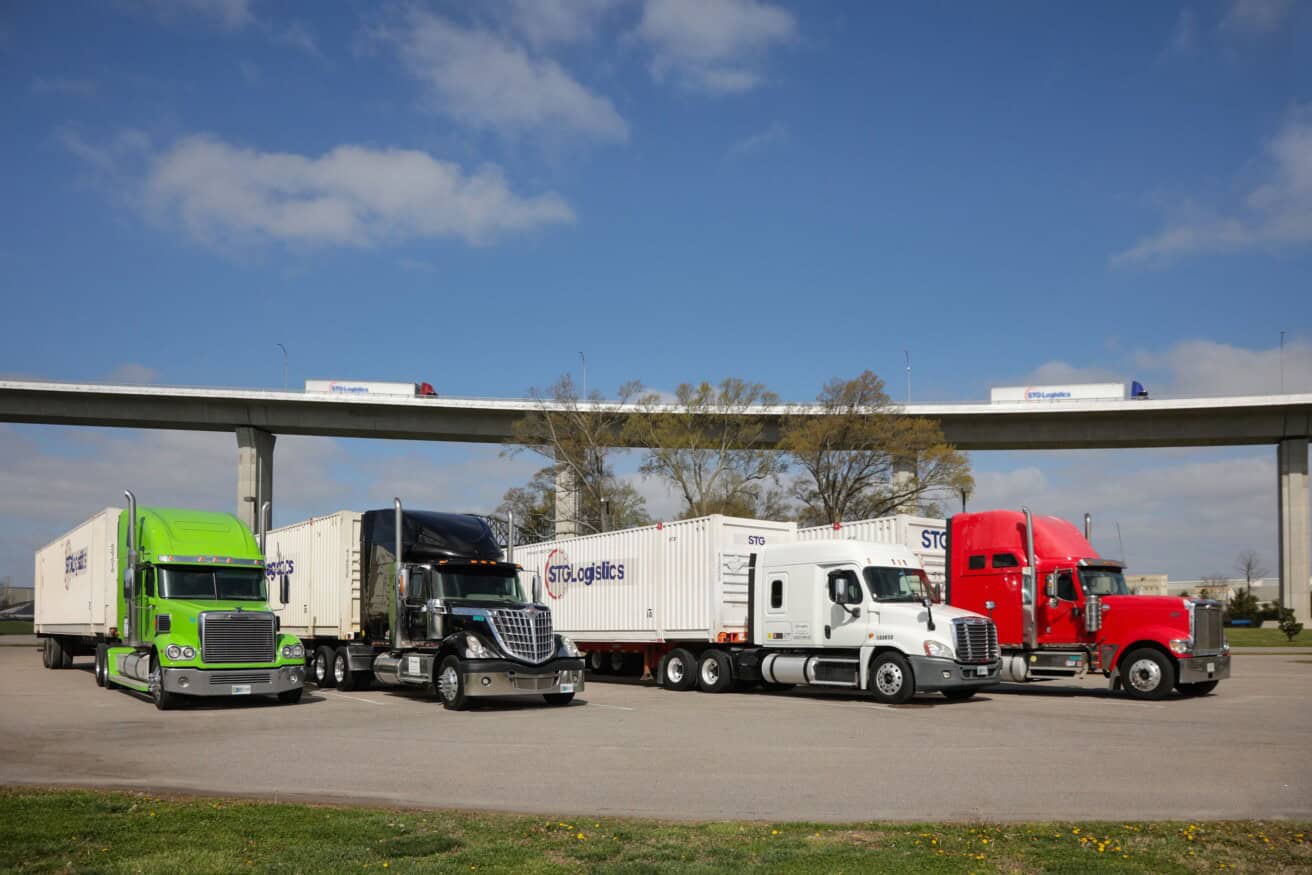
Truck logistics is a core component of modern supply chains, enabling businesses to move goods efficiently between distribution centers, warehouses, retail locations, and end customers. Every shipment that depends on flexible routing and direct delivery relies on trucking operations to ensure consistent performance.
At a high level, freight transportation management refers to the planning, coordination, and management of freight movement using trucking networks. It includes route optimization, dispatching, scheduling, and real-time tracking. Because trucks are not limited by fixed infrastructure, this approach allows direct delivery across a wide geographic range.
As supply chains continue to evolve, transportation operations have become more integrated with transportation logistics and intermodal transportation strategies. Many trucking and logistics companies coordinate closely with intermodal freight systems to move goods across long distances before final delivery.
Understanding how trucking networks operate helps businesses improve efficiency, reduce delays, and maintain control over freight and transportation performance.
What Truck Logistics Includes
Freight transport coordination includes a broad range of coordinated activities that support freight movement across trucking networks. It involves more than transportation alone and includes planning, execution, and ongoing coordination.
At a foundational level, trucking coordination systems include route planning, load optimization, dispatch coordination, and delivery scheduling. These functions ensure shipments are handled efficiently while minimizing cost and transit time.
From a process perspective, operations begin when a shipment is scheduled. Logistics teams evaluate delivery requirements, assign drivers, and determine optimal routes. Systems monitor shipments during transit to ensure accuracy and timeliness.
For example, a company handling regional distribution may rely on trucking-based distribution to deliver products from a warehouse to multiple retail locations. By optimizing delivery routes, the company can improve efficiency and reduce operational costs.
The implication is improved control. Freight movement management enables businesses to manage freight movement effectively while maintaining flexibility.
How Freight Moves Across Trucking Networks
Freight moves through trucking networks using coordinated routing, scheduling, and execution processes. These systems connect multiple locations and support both regional and long-distance movement.
The process typically includes:
• Planning routes based on shipment requirements
• Assigning trucks and drivers
• Coordinating pickups and deliveries
• Monitoring shipments in real time
• Adjusting routes to avoid delays
Because trucking is highly adaptable, road freight systems allow shipments to continue moving even when disruptions occur. This flexibility is essential for maintaining supply chain performance.
For example, if traffic congestion affects a route, adjustments can be made quickly. Transportation logistics systems provide the visibility needed to support these decisions.
In many cases, trucking works alongside intermodal transportation systems. Freight may move via intermodal container shipping or rail transloading before being delivered by truck.
The implication is adaptability. Freight transport networks support responsive operations and help maintain consistent freight movement.
When Businesses Use Truck Logistics
Businesses rely on trucking solutions whenever goods need to move efficiently between locations. Its flexibility makes it suitable for a wide range of industries and shipping requirements.
At a basic level, road-based freight movement is used for transporting raw materials, finished goods, and inventory. It is especially valuable when direct delivery or time-sensitive movement is required.
Common use cases include:
• Regional distribution between warehouses and retail locations
• Last-mile delivery to customers
• Transport between manufacturing facilities
• Supporting intermodal shipping connections
For example, an e-commerce company depends on delivery trucking systems to deliver products directly to customers. This requires precise coordination to meet delivery expectations.
In another scenario, a manufacturer may rely on trucking networks to move materials between facilities without disruption.
The implication is versatility. Freight delivery operations allow businesses to scale operations and respond to changing demand.
Infrastructure Supporting Truck Logistics
Trucking infrastructure systems depend on a network of facilities, equipment, and technology that enables efficient freight movement.
Key components include:
• Distribution centers for staging shipments
• Truck terminals for dispatch operations
• Fleet equipment such as trucks and trailers
• Road networks connecting logistics hubs
Technology plays a critical role in these operations. Transportation logistics platforms provide visibility into shipment status and help optimize routing.
Many trucking and logistics companies integrate with intermodal services to extend their reach. Freight may move through intermodal companies before final delivery.
Providers such as STG Logistics coordinate these operations to ensure efficient movement across supply chains.
The implication is scalability. Freight transport systems can support large volumes of freight when backed by strong infrastructure.
Benefits of Truck Logistics
Trucking operations provide several advantages that make them essential for modern supply chains. One of the most important benefits is flexibility, as trucks can reach locations that other transportation methods cannot.
Key benefits include:
• Direct delivery between origin and destination
• Flexible routing based on real-time conditions
• Access to a wide geographic area
• Faster response to changes in demand
In practice, these benefits improve performance. Businesses can reduce delays and deliver goods more efficiently.
Another advantage is responsiveness. Freight coordination systems allow companies to adjust routes and schedules quickly when conditions change.
The implication is improved service. Delivery network management helps businesses meet customer expectations while maintaining operational efficiency.
Challenges in Truck Logistics
Trucking-based logistics systems present several challenges that must be managed effectively. These challenges often involve capacity, cost, and operational complexity.
Common challenges include:
• Driver shortages affecting availability
• Rising fuel costs increasing expenses
• Traffic congestion causing delays
• Regulatory requirements impacting operations
For example, increased demand can make it difficult to secure capacity. Providers must plan carefully to manage these constraints.
External factors such as weather and infrastructure limitations can also impact performance.
The implication is the need for strong management. Businesses must invest in planning and coordination to maintain reliability.
The Role of Truck Logistics in Modern Supply Chains
Freight transportation networks play a critical role in modern supply chains by enabling efficient and flexible freight movement. They support last-mile delivery, regional distribution, and integration with broader logistics networks.
At a strategic level, these systems connect with intermodal transportation systems and freight shipping companies. This allows goods to move efficiently across long distances.
For example, freight transported via rail transloading or intermodal freight networks often relies on trucking for final delivery.
The implication is strategic importance. These systems are essential for maintaining efficient and competitive supply chains.
Frequently Asked Questions
What is truck logistics?
Truck logistics refers to the planning, coordination, and management of freight movement using trucking networks.
How does truck logistics work?
It involves routing trucks, scheduling deliveries, and managing freight movement across distribution networks.
When is truck logistics used?
It is used for regional distribution, last-mile delivery, and connecting other transportation modes.
What are the benefits of truck logistics?
It provides flexibility, direct delivery, and access to locations without rail or port connections.
How do companies choose truck logistics providers?
They evaluate reliability, service area, pricing, and delivery performance.
Partner with STG Logistics
Efficient freight movement depends on strong coordination across transportation networks and logistics systems. STG Logistics supports businesses by integrating trucking operations with intermodal transportation, warehousing, and distribution services.
By incorporating truck logistics into broader supply chain strategies, STG Logistics helps companies improve efficiency and maintain consistent delivery performance. If you are looking to streamline operations and strengthen your supply chain, contact STG Logistics to learn how their solutions can support your business.