Trucking and Logistics Companies: Services, Capabilities, and How to Choose the Right Partner
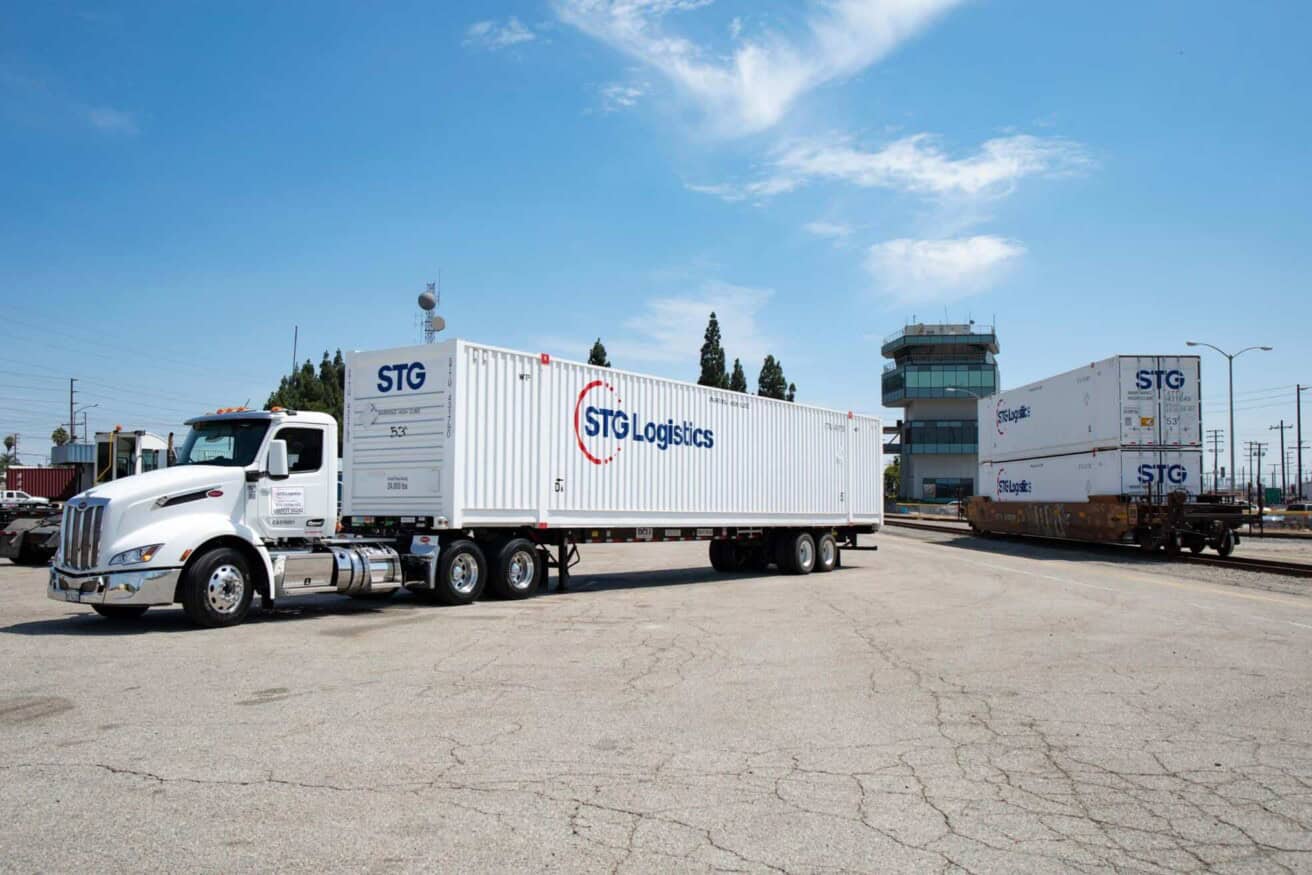
Trucking and logistics companies play a foundational role in how goods move through modern supply chains. From raw materials to finished products, nearly every shipment relies on coordinated transportation, handling, and distribution services to reach its destination efficiently. As supply chains become more complex and customer expectations continue to rise, trucking and logistics companies have evolved far beyond simple freight hauling into comprehensive transportation logistics partners.
Today’s freight environment demands flexibility, visibility, and the ability to adapt quickly to disruption. Trucking and logistics companies support these demands by connecting long-haul transportation, regional distribution, intermodal transportation, and specialized services into cohesive freight networks. Their ability to coordinate across modes, facilities, and service requirements is what allows supply chains to function reliably at scale.
This article explains the role of trucking and logistics companies in modern freight networks, the services they provide, and how they integrate related capabilities such as transloading services, intermodal freight, LTL trucking, container consolidation services, and cold chain services.
Understanding the Role of Trucking and Logistics Companies
At their core, trucking and logistics companies coordinate the physical movement of freight while managing the operational details that keep supply chains running smoothly. This includes planning routes, securing capacity, managing schedules, and ensuring freight is handled properly at every stage of its journey.
While trucking focuses on moving freight by road, logistics encompasses a broader set of responsibilities. Logistics services often include transportation planning, freight coordination, documentation management, and integration with other transportation methods. Together, these functions allow freight to move efficiently across distances, regions, and markets.
Many organizations rely on trucking and logistics companies not only to transport goods, but also to design and manage freight strategies that balance cost, speed, and reliability. As supply chains grow more interconnected, this strategic role continues to expand.
Transportation Logistics in Modern Freight Networks
Transportation logistics refers to the planning and coordination required to move freight efficiently through supply chains. This discipline involves selecting transportation methods, sequencing shipments, managing capacity, and responding to disruptions such as congestion, equipment shortages, or labor constraints.
Trucking and logistics companies play a critical role in transportation logistics by serving as the execution layer between planning and physical freight movement. They translate logistics strategies into real-world operations, coordinating carriers, facilities, and schedules across multiple transportation stages.
Effective transportation logistics requires flexibility. Freight volumes fluctuate, demand patterns shift, and external conditions can disrupt even the most carefully planned routes. Integrated logistics capabilities allow organizations to adapt without sacrificing service levels or losing control of costs.
Core Services Provided by Trucking and Logistics Companies
Trucking and logistics companies offer a wide range of services that support freight movement across supply chains.
Over-the-road transportation remains a foundational service, enabling direct movement between facilities and end destinations. This includes full truckload shipments as well as LTL trucking for smaller freight volumes that do not require an entire trailer.
Beyond transportation, many providers offer freight coordination, carrier management, and shipment tracking. These services provide visibility into freight movement, support proactive issue resolution, and help ensure shipments remain on schedule.
Additional capabilities often include facility coordination, documentation management, and integration with warehouse operations. Together, these services support seamless freight flow across increasingly complex logistics networks.
LTL and LTL Trucking in Freight Distribution
LTL and LTL trucking play an important role in freight distribution when shipment volumes are smaller or more variable. By consolidating freight from multiple shippers into a single movement, LTL services improve efficiency and reduce transportation costs.
Trucking and logistics companies coordinate LTL shipments by managing pickup schedules, routing freight through terminals, and ensuring timely delivery. This approach allows businesses to ship smaller quantities without sacrificing reliability or visibility.
LTL services are particularly valuable for regional distribution, retail replenishment, and supply chains that require frequent shipments in varying quantities.
Intermodal Transportation and Integrated Freight Movement
Intermodal transportation involves using multiple transportation methods within a single freight journey. This may include combining trucking with rail or other transportation stages to optimize cost and capacity.
Trucking and logistics companies support intermodal transportation by coordinating transfers between stages and managing the timing of inbound and outbound movements. Intermodal services rely on careful planning to ensure freight moves smoothly across different transportation environments.
Intermodal companies and intermodal and drayage carrier partners work together to connect freight between ports, rail facilities, and distribution centers. This coordination supports intermodal container shipping and broader intermodal freight strategies.
Transloading Services Within Logistics Networks
Transloading services are often integrated into logistics networks to support flexible freight movement. Transloading involves transferring freight between transportation stages, allowing shipments to move in optimized segments rather than a single continuous path.
A common question in logistics planning is what transloading is. Transloading refers to the physical process of unloading freight from one transportation stage and reloading it for the next stage. This process is used to improve routing flexibility, manage capacity, or support regional distribution strategies.
Trucking and logistics companies frequently coordinate with transloading services to manage these transfers efficiently and minimize dwell time at transfer points.
Transloading Facilities and Warehouse Support
A transloading facility provides the infrastructure needed to perform freight transfers safely and efficiently. These facilities are equipped with docks, material handling equipment, and trained personnel who manage freight handling during transfer operations.
Transload warehouse solutions extend this capability by offering short-term staging, inventory positioning, and coordination with outbound transportation. These solutions often support container consolidation services and container deconsolidation when shipment sizes or delivery requirements change.
Well-located transloading facilities improve network efficiency by reducing unnecessary travel, improving access to trucking capacity, and supporting smoother integration with intermodal transportation networks.
Container-Based Freight and Consolidation Services
Container transloading services are commonly used to support inland distribution of containerized freight. By transferring goods from containers into domestic transportation equipment, logistics networks can improve trailer utilization and speed delivery into regional markets.
Container consolidation services combine multiple shipments into a single outbound movement, while container deconsolidation breaks larger shipments into smaller deliveries. These processes are particularly useful for freight shipping companies managing diverse customer requirements.
Trucking and logistics companies help coordinate these services to ensure freight flows smoothly through transfer points without unnecessary delays.
Rail to Truck Transloading Services
Rail to truck transloading services allow freight to move long distances by rail before transferring to trucks for regional or final delivery. This approach combines the efficiency of rail transportation with the flexibility of trucking.
These services are commonly used for high-volume freight and long-distance shipping lanes. Successful execution requires close coordination between rail schedules, transloading facilities, and trucking capacity.
By integrating rail to truck transloading services into logistics strategies, organizations can reduce transportation costs while maintaining service reliability.
Cold Chain Services and Specialized Freight
Some trucking and logistics companies support cold chain services for temperature-sensitive freight. These services require controlled environments, precise timing, and strict handling procedures to maintain product integrity.
Cold chain services may be integrated with transloading services and warehouse operations when freight must move through transfer points. Proper coordination ensures temperature control is maintained throughout the transportation process.
These capabilities are especially important for food, healthcare, and other industries with strict handling and compliance requirements.
Managing Risk Across Logistics Operations
Freight movement involves inherent risks that must be managed carefully. Trucking and logistics companies address these risks through planning, visibility, and operational discipline.
Cargo damage can occur if handling procedures are not followed properly. Standardized processes and trained personnel help reduce this risk.
Scheduling misalignment is another common challenge. Delays at one stage of the network can ripple through the supply chain. Effective transportation logistics includes contingency planning and communication to manage these disruptions.
Documentation accuracy is also critical. Errors can lead to billing disputes, compliance issues, or delayed deliveries even when freight movement itself is successful.
Choosing the Right Logistics Partner
Selecting the right transportation company or logistics partner is a strategic decision. Organizations should evaluate experience, network coverage, operational discipline, and the ability to integrate services across the supply chain.
Strong trucking and logistics companies provide transparency, clear communication, and reliable execution. They act as partners rather than just service providers, helping organizations adapt to changing market conditions and freight demands.
The right partner supports both day-to-day operations and long-term supply chain goals.
When Integrated Logistics Services Add the Most Value
Integrated logistics services are most valuable for organizations managing complex supply chains, high freight volumes, or diverse distribution requirements.
By combining transportation, coordination, and specialized services, trucking and logistics companies help businesses improve efficiency, control costs, and maintain service levels across multiple markets.
Understanding when to leverage integrated logistics capabilities is key to building resilient freight networks.
Frequently Asked Questions
What do trucking and logistics companies do?
They coordinate and execute freight movement while managing transportation logistics, capacity, and scheduling across supply chains.
How does transportation logistics support freight movement?
Transportation logistics plans and coordinates how freight moves across different stages to balance cost, speed, and reliability.
What is the difference between trucking and logistics?
Trucking focuses on moving freight by road, while logistics includes planning, coordination, and integration across transportation methods.
How do transloading services fit into logistics networks?
Transloading services support flexible freight movement by enabling transfers between transportation stages.
Do trucking and logistics companies handle cold chain services?
Some providers support cold chain services, including temperature-controlled transportation and handling.
Partner with STG Logistics
Trucking and logistics companies play a vital role in keeping supply chains moving efficiently. STG Logistics provides integrated logistics solutions, including transportation coordination, transloading services, intermodal support, and specialized freight handling.
If you are working with complex freight networks, managing intermodal transportation, or evaluating flexible logistics strategies, contact STG Logistics to learn how our capabilities can support your transportation and supply chain objectives.