Logistical Transporter: Coordinating Freight Movement Across Modern Supply Chains
Modern supply chains depend on precise coordination to move goods efficiently from origin to destination. A logistical transporter plays a critical role in managing that coordination, ensuring freight moves across trucking, rail, and intermodal networks without disruption. As businesses expand their distribution strategies, the need for a reliable logistical transporter has become essential to maintaining efficient operations.
A logistical transporter is responsible for planning, organizing, and managing how shipments move through transportation systems. Unlike carriers that physically move freight, this role focuses on coordination, connecting freight shippers, carriers, and infrastructure into a unified logistics strategy. This approach helps businesses maintain visibility, reduce delays, and improve overall supply chain performance.
As logistics networks grow more complex, companies rely on a logistical transporter to manage transportation logistics, optimize routing, and ensure consistent delivery performance across multiple transportation modes.
What a Logistical Transporter Does
The primary function of a logistical transporter is to coordinate the movement of goods across supply chains. This involves working closely with freight shippers to understand shipment requirements and determine the most efficient way to move cargo.
A logistics provider evaluates several key factors, including shipment size, delivery timelines, transportation costs, and available infrastructure. Based on these inputs, the provider develops a plan that ensures goods move efficiently from origin to destination.
Key responsibilities include:
• Coordinating shipments between freight shippers and carriers
• Selecting appropriate transportation providers
• Scheduling pickups and delivery appointments
• Managing shipping documentation and compliance
• Monitoring shipments throughout transit
By handling these responsibilities, a logistics partner enables businesses to focus on production, sales, and operations while maintaining reliable transportation performance.
Logistical Transporter vs Carrier vs 3PL
Understanding the distinction between a logistical transporter and other supply chain participants is essential for building an effective logistics strategy.
A transportation company or carrier is responsible for physically moving goods. This includes trucking companies, rail operators, and other transportation providers. In contrast, a logistical transporter manages how those carriers are used within the broader supply chain.
Trucking and logistics companies may offer both transportation and coordination services, but this role specifically focuses on planning and execution rather than physical movement.
Third-party logistics providers (3PLs) often overlap with these functions, but they typically offer a broader range of services such as warehousing, inventory management, and distribution. A logistical transporter, on the other hand, concentrates on transportation coordination and optimization.
By clearly defining these roles, businesses can better align their logistics strategies and select the right partners for their operations.
How a Logistical Transporter Manages Freight Movement
Effective freight movement requires careful planning and execution. A logistical transporter manages this process by integrating carrier selection, route planning, and shipment tracking into a cohesive strategy.
Carrier selection is a critical step. The provider evaluates carriers based on reliability, service coverage, and cost. This ensures shipments are handled by providers capable of meeting delivery requirements.
Route planning is another key responsibility. By analyzing transportation logistics and available infrastructure, a logistical transporter determines the most efficient path for each shipment. This helps reduce transit times and control costs.
Shipment tracking provides visibility throughout the transportation process. A logistics coordinator uses technology systems to monitor freight in real time, allowing businesses to respond quickly to delays or disruptions.
In many cases, a logistical transporter must coordinate multiple shipments simultaneously. This requires strong communication and the ability to adapt quickly when conditions change.
Infrastructure and Systems Supporting Logistics Operations
Efficient freight movement depends on a network of infrastructure that supports cargo handling and transportation. A logistical transporter relies on these facilities to ensure shipments move smoothly through the supply chain.
Warehouses and distribution centers provide storage and staging areas where goods can be prepared for delivery. These facilities allow businesses to manage inventory and respond to demand fluctuations.
A transloading facility plays an important role when freight moves between transportation modes. At these locations, cargo is transferred from railcars to trucks or between containers and trailers. This allows shipments to continue moving even when direct routes are not available.
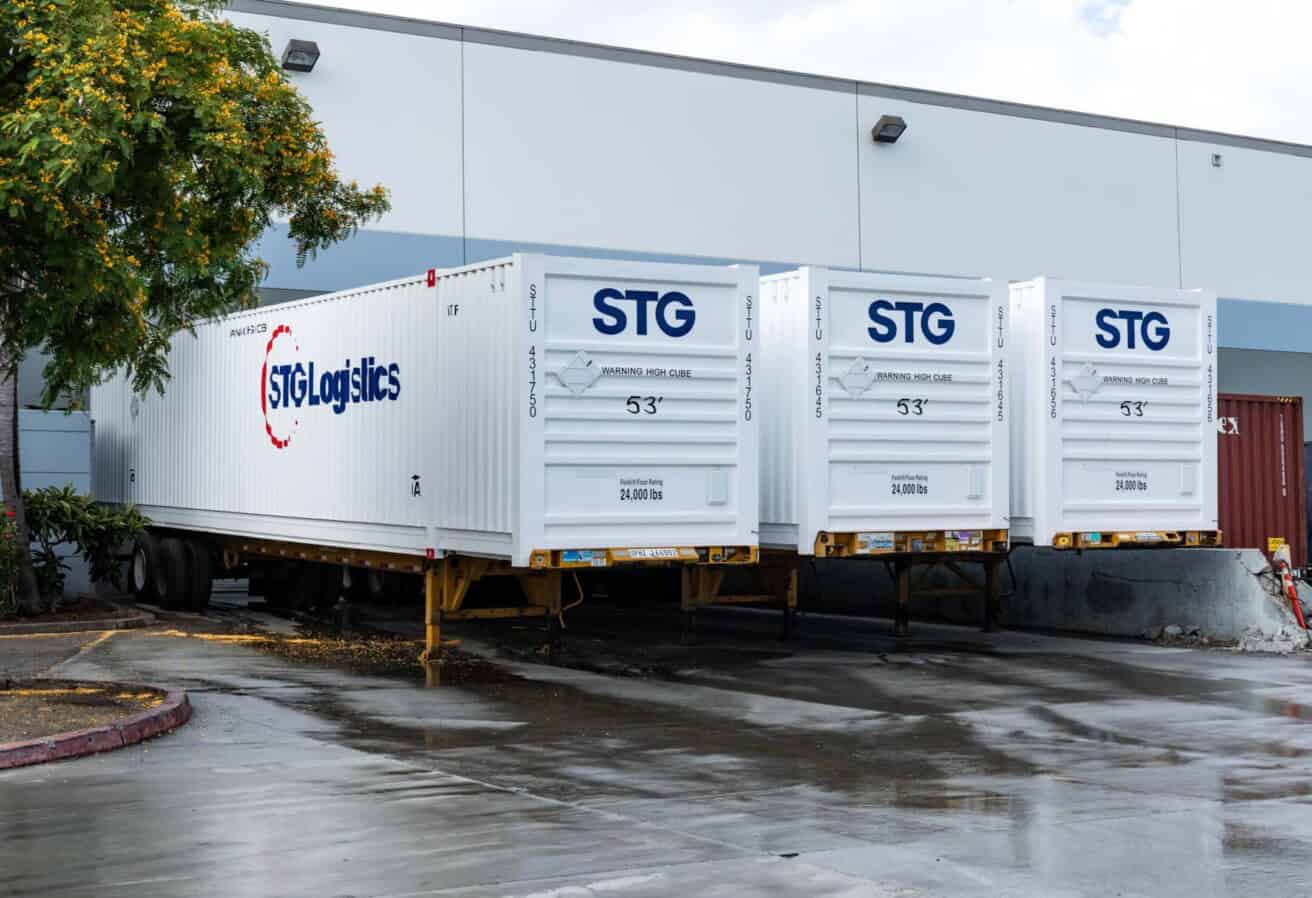
Many logistics providers, including STG Logistics, support these operations through container freight stations and transloading services that connect port and rail networks. These capabilities allow businesses to maintain efficient cargo flow and reduce delays.
Technology systems also play a key role. These platforms provide visibility into shipment status, allowing a logistical transporter to track freight, manage schedules, and optimize routing decisions.
The Role of Intermodal Transportation in Logistics Coordination
Intermodal transportation has become a critical component of modern supply chains. It allows shipments to move across multiple transportation modes without unloading cargo, improving efficiency and reducing handling.
A logistical transporter coordinates intermodal transportation by managing how freight moves between trucks, trains, and ships. This requires careful scheduling to ensure shipments transition smoothly between transportation networks.
Intermodal transportation provides several advantages. Rail systems handle long-distance freight efficiently, while trucks provide flexibility for pickup and delivery. By combining these modes, businesses can reduce shipping costs and improve delivery performance.
Logistics providers such as STG Logistics support intermodal operations by connecting transportation networks and providing access to infrastructure that enables efficient cargo movement. This integration helps businesses maintain reliable supply chain performance.
Benefits and Challenges of Using a Logistical Transporter
Working with a logistical transporter offers several advantages for businesses managing complex supply chains. One of the most significant benefits is improved efficiency. By coordinating shipments across multiple carriers, this role ensures freight moves smoothly through transportation networks.
Cost control is another major advantage. Through optimized routing and carrier selection, businesses can reduce transportation expenses while maintaining reliable service.
Additional benefits include:
• Improved shipment visibility and tracking
• Access to multiple carrier networks
• Scalable logistics solutions
• Better coordination across supply chain operations
Despite these benefits, businesses must also navigate certain challenges. Coordinating multiple transportation providers can be complex, particularly during periods of high demand or disruption.
External factors such as weather, infrastructure limitations, and capacity constraints can also impact shipment performance. A logistical transporter helps mitigate these risks by adapting strategies and maintaining flexibility.
The Growing Importance of Logistical Transporters in Modern Supply Chains
As supply chains evolve, the role of a logistical transporter continues to expand. Businesses are increasingly relying on coordinated logistics strategies to manage complex distribution networks and maintain efficient operations.
Technology is playing a larger role in logistics management. Advanced systems allow a logistics provider to analyze shipping data, optimize routes, and improve decision-making. These tools provide real-time visibility and help businesses respond quickly to changing conditions.
Global trade and e-commerce growth are also increasing demand for efficient transportation coordination. Companies must move goods faster and more frequently while maintaining cost control. A logistical transporter provides the expertise needed to manage these challenges.
As these trends continue, logistical transporters will remain essential to ensuring goods move efficiently across supply chains.
Frequently Asked Questions
What is a logistical transporter?
A logistical transporter is a company or provider responsible for coordinating and managing the movement of goods across transportation networks.
What does a logistical transporter do?
A logistical transporter plans shipments, selects carriers, manages routes, and ensures cargo moves efficiently through the supply chain.
How is a logistical transporter different from a carrier?
A carrier physically moves goods, while a logistical transporter manages the coordination, planning, and execution of transportation.
What services do logistical transporters provide?
Services include freight planning, carrier coordination, shipment tracking, route optimization, and logistics management.
Why do businesses use logistical transporters?
Businesses use them to improve efficiency, reduce costs, and manage complex logistics operations across multiple transportation modes.
Partner with STG Logistics
Efficient supply chains depend on strong coordination between transportation providers, infrastructure, and logistics systems. STG Logistics supports businesses by providing integrated solutions that help manage freight movement across multiple transportation modes.
Through capabilities such as intermodal transportation, transloading services, and warehousing operations, STG Logistics helps businesses improve efficiency and maintain reliable supply chain performance. These solutions allow organizations to streamline logistics operations and adapt to changing transportation demands.
To learn how a logistical transporter strategy can improve your supply chain, contact STG Logistics to discuss how integrated logistics solutions can support your operations.