Transportation Logistics Company: How Freight Is Managed Across Modern Supply Chains
A transportation logistics company plays a critical role in how goods move through modern supply chains. Every shipment that travels from a manufacturer to a warehouse, distribution center, or final customer depends on coordinated planning, routing, and execution. A transportation logistics company ensures that freight moves efficiently across transportation networks while maintaining cost control and delivery reliability.
In today’s logistics environment, businesses are managing increasingly complex distribution strategies. A transportation logistics company brings structure to this complexity by coordinating shipments across trucking, rail, and intermodal networks. Rather than focusing on a single mode of transport, these organizations manage how freight flows across the entire supply chain.
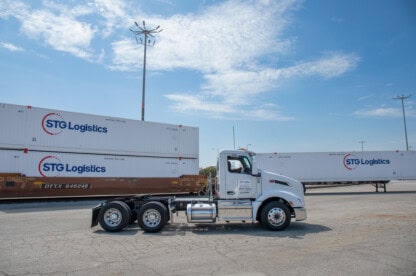
Many logistics providers, including STG Logistics, support these operations by connecting infrastructure, transportation networks, and logistics systems. This allows businesses to maintain consistent cargo movement while adapting to changing demand.
As supply chains continue evolving, the role of a transportation logistics company becomes more important in ensuring goods are delivered efficiently and on time.
What a Transportation Logistics Company Does
A transportation logistics company is responsible for planning, coordinating, and managing the movement of goods across supply chains. This includes working with carriers, warehouses, and distribution networks to ensure freight moves efficiently from origin to destination.
At the beginning of each shipment, a transportation logistics company evaluates several factors:
• Shipment size and freight type
• Delivery timelines and service requirements
• Transportation costs and routing options
• Available infrastructure and carrier capacity
Based on these inputs, the company develops a transportation strategy that aligns with business goals.
Core responsibilities include:
• Coordinating shipments across multiple carriers
• Selecting transportation providers based on service and cost
• Scheduling pickups and delivery windows
• Managing documentation and compliance
• Monitoring shipments throughout transit
By managing these functions, a transportation logistics company provides structure and visibility across the supply chain. This allows businesses to focus on operations while ensuring freight moves reliably.
Key Services Offered by a Transportation Logistics Company
A transportation logistics company provides a range of services designed to improve efficiency and optimize freight movement. These services go beyond transportation and focus on how goods move through logistics networks.
Freight planning is one of the most important services. By analyzing transportation logistics, providers determine the most efficient routes and transportation modes for each shipment.
Route optimization helps reduce transit times and improve delivery performance. By evaluating traffic patterns, infrastructure, and carrier availability, a transportation logistics company can identify the most efficient paths for moving freight.
Shipment visibility is another key component. Modern tracking systems allow businesses to monitor shipments in real time, providing updates on location and status.
Additional services include:
• Working with freight shipping companies to secure capacity
• Coordinating distribution and delivery schedules
• Managing shipment documentation and compliance
• Integrating multiple transportation modes
These services allow businesses to maintain efficient operations and adapt to changing supply chain demands.
How Transportation Logistics Companies Manage Supply Chains
Managing supply chains requires coordination across multiple transportation networks and service providers. A transportation logistics company integrates these elements into a cohesive system that supports consistent freight movement.
This coordination often involves working with trucking and logistics companies, rail providers, and warehouse operators. By connecting these networks, logistics providers ensure that shipments move efficiently between locations.
Transportation logistics systems play a key role in managing these operations. These systems provide visibility into shipment status, allowing businesses to track freight and respond quickly to delays.
Key components of supply chain management include:
• Coordinating carrier networks across regions
• Managing shipment schedules and routing decisions
• Providing real-time tracking and reporting
• Ensuring consistent communication across partners
By integrating these elements, a transportation logistics company helps businesses maintain control over their supply chain operations.
Infrastructure and Technology Supporting Logistics Operations
Efficient freight movement depends on strong infrastructure and advanced technology. A transportation logistics company relies on these systems to support cargo handling and transportation coordination.
Warehouses and distribution centers provide storage and staging areas where goods can be prepared for shipment. These facilities allow businesses to manage inventory and coordinate deliveries effectively.
A transloading facility is another key component of logistics infrastructure. At these locations, freight is transferred between transportation modes, allowing it to continue moving through the supply chain.
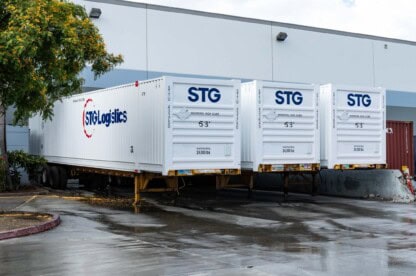
Many logistics providers, including STG Logistics, operate facilities that support transloading services and connect rail, port, and trucking networks. These capabilities help maintain efficient cargo flow and reduce delays.
Technology systems also play a major role in logistics operations. These tools provide:
• Real-time shipment tracking
• Route optimization insights
• Performance monitoring
• Coordination across transportation networks
These systems allow a transportation logistics company to make informed decisions and maintain efficient operations.
The Role of Intermodal Transportation in Logistics Strategy
Intermodal transportation is a key component of modern logistics strategies. It allows shipments to move across multiple transportation modes without requiring significant handling.
A transportation logistics company coordinates intermodal transportation by managing how freight transitions between trucks, trains, and other systems. This coordination improves efficiency and reduces costs.
Intermodal transportation offers several advantages:
• Reduced fuel consumption
• Lower transportation costs for long distances
• Improved capacity utilization
• Increased flexibility in routing
Intermodal companies support these operations by providing infrastructure and network access. Logistics providers ensure that shipments move smoothly between transportation modes.
Organizations such as STG Logistics help facilitate intermodal coordination by connecting infrastructure and supporting efficient cargo movement across supply chains.
Benefits of Working with a Transportation Logistics Company
Working with a transportation logistics company provides several advantages for businesses managing complex supply chains. One of the most important benefits is improved efficiency. By coordinating shipments across multiple carriers, logistics providers ensure that freight moves smoothly.
Cost control is another major advantage. Through optimized routing and transportation planning, businesses can reduce shipping expenses while maintaining reliable service.
Additional benefits include:
• Improved visibility into shipment status
• Access to multiple carrier networks
• Scalable logistics solutions
• Better coordination across operations
These advantages allow businesses to operate more efficiently while maintaining consistent delivery performance.
Challenges in Logistics Coordination
Despite the benefits, managing logistics operations comes with challenges. Coordinating multiple transportation providers requires careful planning and communication.
Common challenges include:
• Capacity constraints during peak demand
• Delays caused by infrastructure limitations
• Fluctuating transportation costs
• Coordination across multiple service providers
A transportation logistics company helps address these challenges by adapting strategies and maintaining flexibility within the supply chain.
The Growing Importance of Transportation Logistics Companies
As supply chains become more complex, the role of a transportation logistics company continues to expand. Businesses rely on these providers to manage freight movement and maintain efficient operations.
Technology is transforming logistics management by providing greater visibility and control. Advanced systems allow providers to analyze data, optimize routes, and improve decision-making.
Global trade and e-commerce growth are also increasing demand for logistics coordination. Companies must move goods faster and more efficiently while maintaining cost control.
As these trends continue, transportation logistics companies will remain essential to supporting supply chain operations.
Frequently Asked Questions
What is a transportation logistics company?
A transportation logistics company manages the planning, coordination, and execution of freight movement across supply chains.
What services do transportation logistics companies provide?
They provide carrier selection, route optimization, shipment tracking, warehousing coordination, and logistics strategy support.
How do transportation logistics companies improve supply chains?
They improve efficiency by optimizing routes, reducing costs, and ensuring reliable delivery across transportation networks.
What industries use transportation logistics companies?
Industries such as manufacturing, retail, healthcare, and e-commerce rely on logistics companies to manage freight movement.
How do businesses choose a transportation logistics company?
Businesses evaluate experience, network coverage, technology capabilities, pricing, and reliability when selecting a logistics partner.
Partner with STG Logistics
Efficient supply chains depend on strong coordination between transportation providers, infrastructure, and logistics systems. STG Logistics supports businesses by providing integrated solutions that connect transportation networks and improve freight movement.
Through capabilities such as intermodal transportation, transloading services, and warehousing operations, STG Logistics helps companies streamline logistics operations and maintain reliable performance. These services enable organizations to move goods efficiently across complex supply chains.
To learn how a transportation logistics company can support your business, contact STG Logistics to explore solutions designed to improve your supply chain operations.